Tie rod hydraulic cylinders are everywhere—silently powering the world’s most important machines. From robotic arms on assembly lines to steering parts in tractors and big excavators, these small but strong components give accurate, steady straight-line force. Why do so many fields depend on them? Because they provide superior power, toughness, and easy setup options.
Overview of Tie Rod Hydraulic Cylinders in Industrial Applications
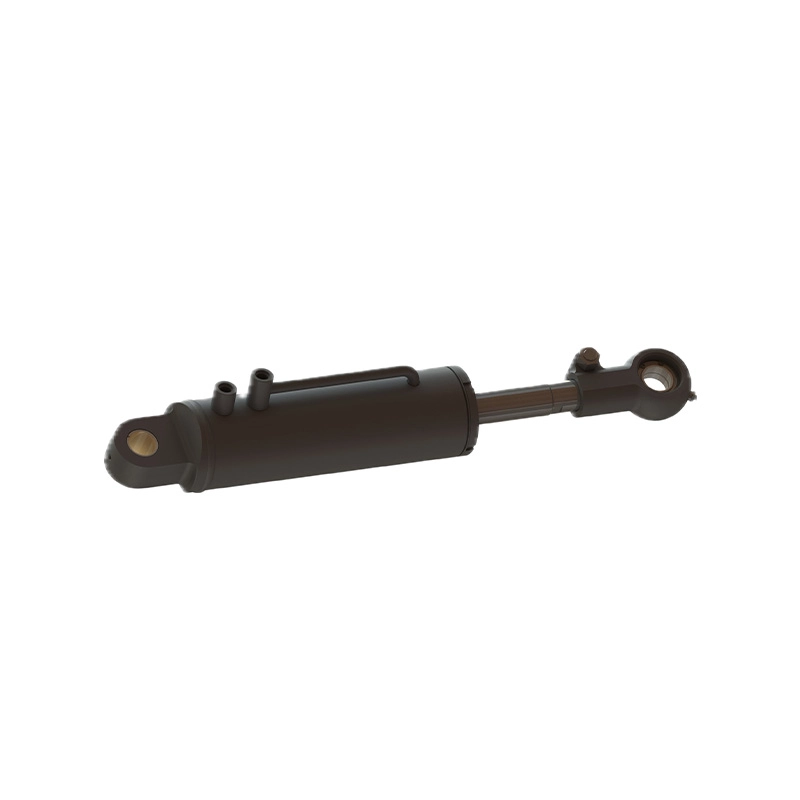
At their core, tie rod hydraulic cylinders change fluid power into straight motion. They use a piston and rod inside a barrel held by tie rods. These are amazing devices. Their main job is turning fluid power into straight motion.
Hydraulic cylinders play a key role in many fields. These include construction, manufacturing, agriculture, and transportation. You can find them in big industrial tools or small robotic setups. There, tie rod cylinders offer high accuracy and strength under stress.
Role of Tie Rod Hydraulic Cylinders in Manufacturing & Automation
Integration into Robotic and Automated Systems
In current factories, automation focuses on speed and doing things the same way each time. Tie rod cylinders help keep steady motion patterns. This lets robotic arms do detailed assembly jobs. Their small size makes them popular in spots where space is tight and needs clever planning.
- Accurate straight motion helps with repeated assembly work
- Small cylinders allow fitting into narrow automation designs
They can run without sudden stops. This ensures even changes. And that is vital for automated welding, gluing, or packing tasks. Hydraulic cylinders give smooth motion without jerks. This can be a major plus in many exact jobs.
Use in Presses, Clamps, and Material Handling Equipment
Industrial presses and material moving setups need both power and steadiness. Tie rod cylinders provide steady results over thousands of runs.
- Steady force use ensures even products
- Handles high-run jobs with little stop time
Very strong forces can move through hydraulic cylinders. This makes them perfect for shaping, stamping, or holding tasks. In these, the final quality must stay high.
Applications in Agriculture & Farming Equipment
Implementation in Tractors and Harvesting Machinery
In the field, tools must work in tough and changing conditions. Tie rod hydraulic cylinders lift plows, tilt harvester arms, or guide under heavy weights.
- Helps with lifting, tilting, and steering under changing loads
- Stands up to dust, mud, and bad weather
Tractors and other farm tools use hydraulic cylinders. This includes lifting parts to harvesting machines. Their tough build makes sure they last through seasons of hard use without losing performance.
Contribution to Precision Farming Tools
As farming gets smarter, so does its equipment. GPS systems now control seed drills or fertilizer spreaders with tiny accuracy.
- Allows fine control of planting depth and spacing tools
- Supports hydraulic action in GPS-guided setups
Tie rod cylinders with sensors can create quick response loops. These are needed for precision farming. There, every seed matters.
Importance in Construction & Heavy Equipment Operations
Use in Excavators, Loaders, and Bulldozers
Construction machines need huge power and toughness. Whether digging holes or lifting junk, tie rod cylinders give strength all the time.
- Gives the force needed for digging, lifting, and leveling jobs
- Works well under sudden loads and heavy work cycles
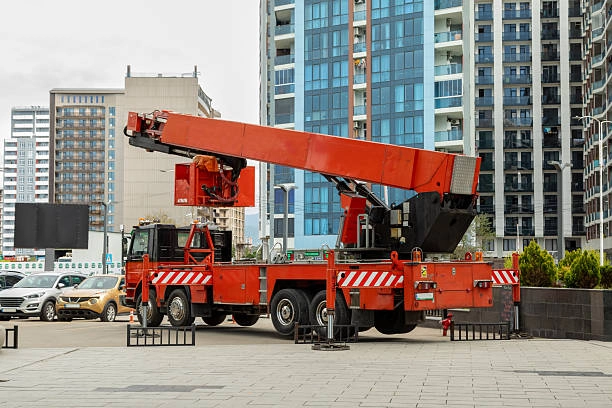
Hydraulic cylinders let excavators and cranes raise, push, and dig. Their design keeps things stable even with quick load shifts or strong hits.
Performance in Harsh Outdoor Environments
Construction sites are not easy. Machines face gravel, rain, snow—and must keep going anyway.
- Resists rust and wear from debris hits
- Keeps working over wide temperature changes
A good cylinder with gas cushioning absorbs shocks. It also stops inside damage from outside rough treatment.
Integration into Automotive & Transportation Systems
Role in Vehicle Assembly Lines and Testing Stations
Car production lines use tie rod cylinders a lot. They guide robotic welders or run lift gates during checks.
- Ensures steady movement during welding or part fitting steps
- Used in active testing setups for suspension or crash tests
Their skill to give repeated movement boosts both production speed and quality checks.
Use in Commercial Vehicle Hydraulics
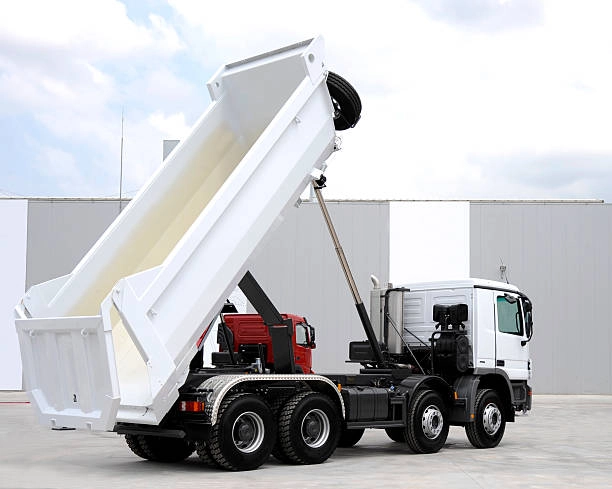
Trucks and buses often depend on hydraulic systems for loading ramps or steering help.
- Powers hydraulic lifts, ramps, and steering help in trucks or buses
Their use helps cut driver tiredness. It also makes sure cargo stays safe.
Utilization Within Aerospace & Defense Sectors
Application in Ground Support Equipment (GSE) and Aircraft Maintenance Tools
Aircraft service needs safe, controlled lifting and holding. Tie rod cylinders appear often in jacks and platform lifts on runways.
- Supports action of jacks, lifts, and stabilizers during aircraft work
Their dependability is key in spots where small problems can lead to big delays or safety issues.
Contribution to Military Vehicles and Weapon Systems
In defense uses, accuracy is not a choice—it is required.
- Integrated into recoil systems or turret positioning mechanisms requiring high precision
Tie rod hydraulic cylinders offer controlled motion for targeting systems or weapon stabilization even under combat-level stress.
Deployment Across the Oil & Gas Industry
Operation within Drilling Rigs and Extraction Platforms
In oil fields or offshore spots, moving pipes or valves with care is vital.
- Helps pipe handling through controlled straight motion
Tie rod cylinders made for these jobs deliver both power and care—even deep under the sea.
Performance Under High Pressure and Hazardous Conditions
This field brings fire dangers, eating-away settings, and blast gases.
- Designed to meet strict safety standards for explosive or corrosive environments
Hydraulic cylinders have the ability to meet tough needs. This is about handling very high pressures and heavy use. Yet they keep accuracy and dependability.
Key Considerations When Selecting Tie Rod Hydraulic Cylinders for Industrial Use
Matching Cylinder Specifications with Application Requirements
Before picking a cylinder type, engineers must think about:
- Stroke length
- Bore size
- Pressure rating
- Mounting style
- Sealing options
These details ensure top performance that fits the machine’s needs.
Importance of Material Selection and Sealing Technologies
Material is important—especially in rough settings. Stuff that fights rust lasts longer in tough conditions like sea air or chemical contact. Better seals hold pressure and stop leaks over long work times.
A trusted manufacturer like Shining Hydraulic offers tailored solutions backed by rigorous testing. A company with a long-standing presence in the market and a deep understanding of hydraulic cylinder technology is likely to deliver superior products.
Shining Hydraulic specializes in manufacturing custom hydraulic cylinders for diverse industries—providing critical actuation components as well as complete hydraulic solutions for machinery manufacturers worldwide.
Final Thoughts
Tie rod hydraulic cylinders stay a basic tech across many areas. This is due to their toughness, flexibility, and exact force output. Whether you deal with automated lines or off-road rigs, these parts can be set up to match specific needs.
FAQs
Q: What is a tie rod hydraulic cylinder used for?
Tie rod cylinders convert fluid power into linear motion for lifting, pressing, steering, or clamping across various industries.
Q: Are tie rod cylinders suitable for outdoor environments?
Yes. With proper sealing and corrosion-resistant materials, they perform reliably outdoors even under harsh conditions.
Q: Can I get a custom-designed cylinder with gas cushioning?
Absolutely. Manufacturers like Shining Hydraulic offer tailored designs including gas cushioning features for shock absorption.
Q: What makes tie rod cylinders different from welded cylinders?
Tie rod cylinders are easier to maintain due to their bolted design; they’re ideal for industrial settings where servicing is frequent.
Q: How do I select the right cylinder for my application?
Consider factors such as stroke length, bore size, pressure rating, mounting options—and consult a trusted supplier for application-specific advice.