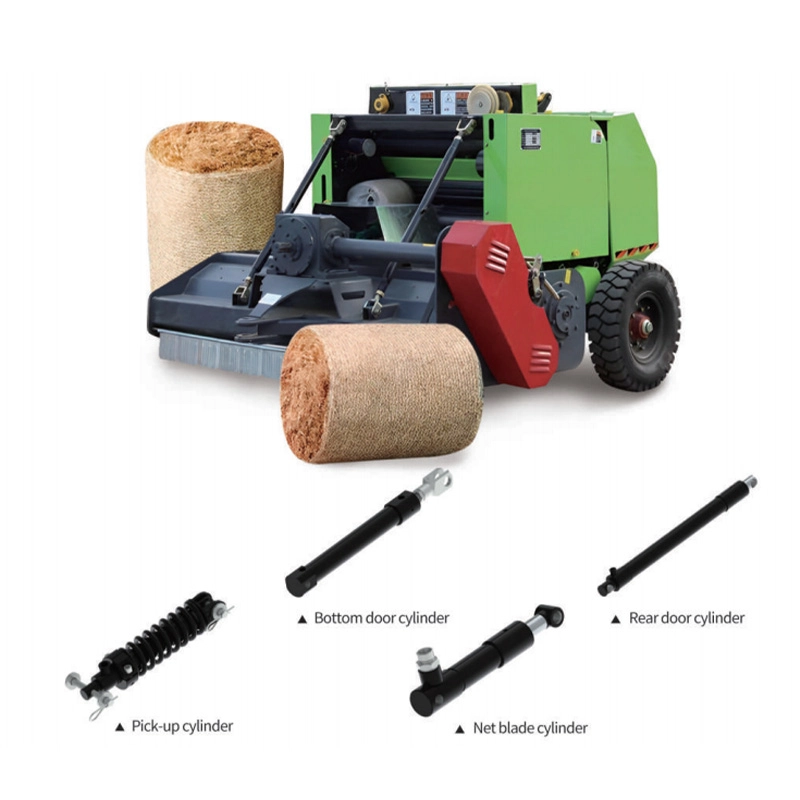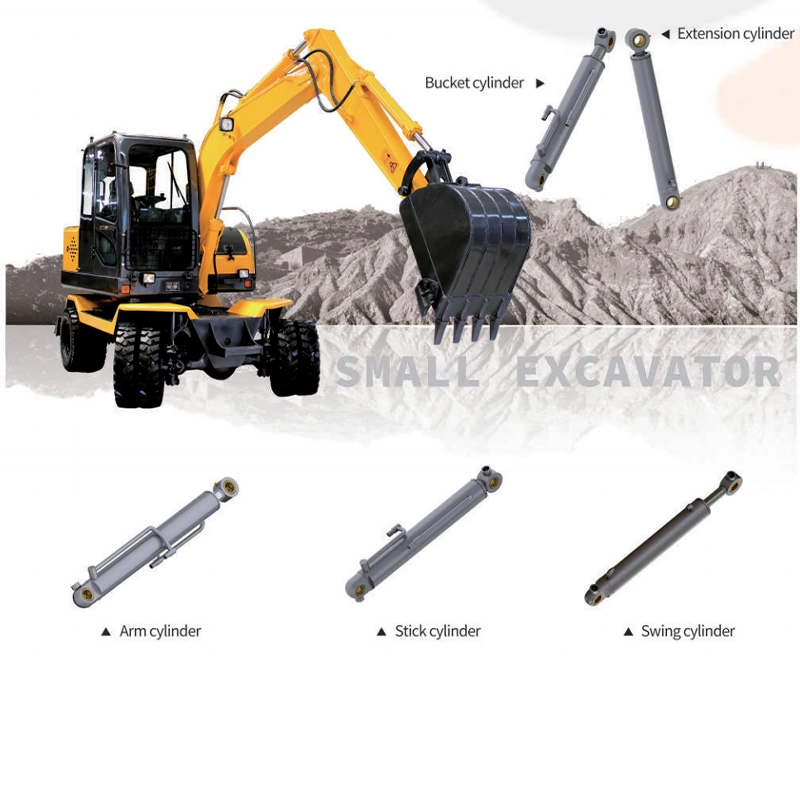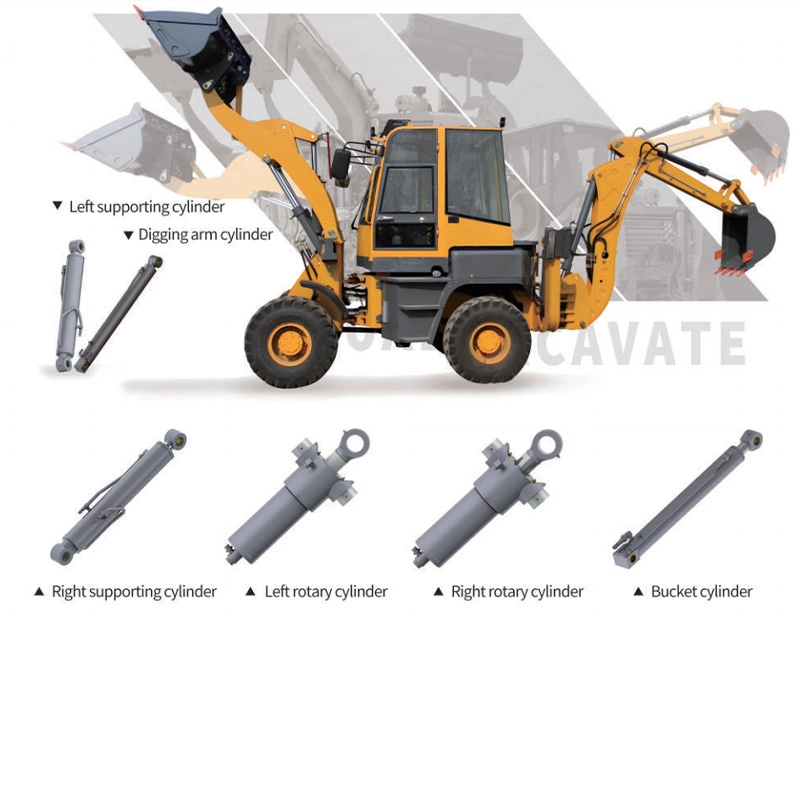
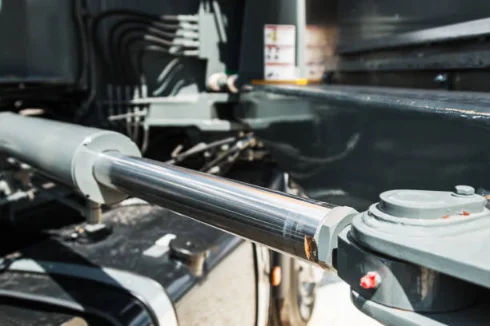
Whether you’re building a construction vehicle or fixing agricultural machinery, picking the right cylinder type really impacts efficiency, strength, and quick response—especially in high pressure environments where hydraulic components deal with heavy loads and nonstop cycles.
Overview of Welded Rod Hydraulic Cylinder Types
Characteristics of Welded Rod Cylinder Construction
Welded rod hydraulic cylinders stand out for their tough and small design. Unlike tie rod cylinders, these cylinders have a welded end cap construction. It gets rid of the need for outside fasteners. This setup not only handles higher pressure well but also cuts down the chance of parts coming loose from shaking.
Their basic build lets you put them in smaller spaces. And that works great for mobile equipment or machinery that needs to save room. Things like built in ports, options for mounting styles (such as clevis or trunnion), and inside cushions help with fitting them in better. They also allow tweaking performance for different system setups.
Advantages of Welded Rod Cylinders in Industrial Use
There are several useful benefits:
- Better sealing cuts fluid leak chances, even with shifting pressure loads.
- The welded setup boosts protection against outside issues like dirt, water, and shaking.
- Their small size and ability to adjust make them great for special jobs where regular sizes just won’t fit.
In rough fields—like forestry, mining, or marine—welded cylinders last a long time. That’s because they have fewer parts out in the open and a sturdier build.
Single Acting Welded Rod Cylinders
Key Features and Mechanical Operation
A single acting welded rod cylinder relies on hydraulic pressure to push the piston one way. The pull back happens with a inside spring or just gravity. Since it needs only one port for fluid to move, these cylinders stay simple and cheaper to buy.
Having fewer parts inside means you check them less often. It also means fewer spots where things can go wrong. Plus, they weigh less. So, they’re really handy in moving setups where keeping weight down matters most.
Common Applications Across Industries
You’ll often find single acting cylinders in:
- Dump trailers and tipper trucks
- Agricultural sprayers and seed drills
- Industrial compactors or presses
These jobs mostly call for up and down movement. Or setups where the return doesn’t require strong hydraulic push. Their easy way of working keeps them dependable for lift or push work. And you don’t need fancy control setups.
Double Acting Welded Rod Cylinders
Functional Benefits in High Cycle Systems
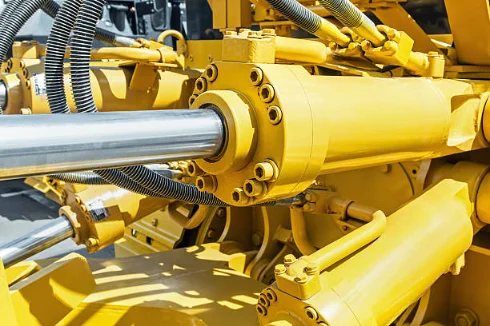
Double acting cylinders apply hydraulic pressure to both sides of the piston. This gives push during stretch out and pull back. So, you get improved control over movement. And steady results over the whole stroke.
They fit well for jobs with lots of repeats. There, actions happen over and over under changing loads. And that calls for exact work. Valves for direction control guide their moves. For that reason, they show up a lot in auto setups.
Application Scenarios Requiring Bidirectional Force
Typical use cases include:
- Excavators and loaders
- Plastic injection molding machines
- Presses requiring balanced force on both strokes
- Robotic arms needing synchronized dual direction movement
Whenever you need to manage speed, keep motion even, or get two way action under weight—double acting cylinders are the best pick.
Choosing Between Single and Double Acting Cylinders
Performance Considerations Based on System Requirements
To choose effectively:
- Assess whether your system requires force in one or both directions.
- Consider cycle frequency. High cycle operations favor double acting variants.
- Account for available space and whether weight savings are essential.
- Think about energy usage: single acting cylinders often use less fluid per cycle.
Matching the cylinder type to your application’s duty cycle extends lifespan and ensures operational reliability.
Cost Efficiency vs Functionality Trade Offs
| Feature | Single Acting | Double Acting |
| Cost | Lower | Higher |
| Control Complexity | Simple | Advanced |
| Force Direction | One way | Two way |
| Maintenance | Less frequent | More components to service |
| Energy Consumption | Generally lower | Depends on use case |
If your application doesn’t need bidirectional force or precise control, a single acting cylinder might be all you need. But if versatility matters more than budget, double acting designs offer enhanced flexibility.
Comparing Welded Rod Cylinders with Tie Rod Cylinders
Structural Differences That Impact Design Choice
Tie rod cylinders are secured using external rods that run through the length of the body. This makes disassembly easier—ideal when frequent maintenance is expected. But they’re generally bulkier.
Welded rod cylinders, on the other hand, have no external tie rods. Their sleeker profile allows for use in compact or confined layouts. Also, their sealed ends are less prone to leakage in harsh settings with high pressure or vibration.
Application Specific Selection Criteria
Let’s simplify:
- Use tie rod cylinders in factory settings where equipment is stationary and access is easy.
- Opt for welded rod cylinders in mobile gear like forklifts, bulldozers, or cranes.
- For high pressure systems, welded designs hold up better due to superior sealing and fewer exposed parts.
Integration Strategies with Hydraulic Systems
Optimizing Cylinder Performance Through System Design
A hydraulic cylinder is only as good as the system it’s part of. Make sure:
- Hydraulic fluid is compatible with seals and materials.
- Sizing matches load requirements to avoid cavitation or performance loss.
- Mounting orientation prevents side loads that increase wear over time.
Attention to these details ensures smoother operation and longer service intervals.
Role of Manufacturers in Custom Solutions
As machine designs grow more specialized, manufacturers like Shining Hydraulic bring value by offering engineering support, custom fabrication options, and deep expertise across sectors requiring rugged hydraulic execution components. Custom stroke lengths, special port configurations, or unique mounting styles—these are all possible with the right partner.
Trends Influencing Hydraulic Cylinder Selection
Increasing Demand for Compact Yet Powerful Actuators
With industries moving toward miniaturized equipment that doesn’t compromise on output:
Equipment miniaturization drives need for space saving cylinder designs. Engineers now expect higher force to size ratios without sacrificing reliability.
Emphasis on Durability Under Extreme Operating Conditions
Outdoor machinery must handle dust, temperature shifts, water ingress, and vibration. In such cases,
welded rod cylinders from trusted manufacturers like Shining Hydraulic demonstrate proven resilience through advanced material selection and precision welding techniques.
Partnering With Experts for System Optimization
For engineers working across industries—from earthmoving equipment to harvesters—it pays to collaborate with specialists. Partnering with a manufacturer like Shining Hydraulic ensures access to not just quality components but also expert guidance throughout the design to deployment process of integrated hydraulic systems tailored to real world operational challenges.
FAQs
Q: What’s the main difference between single and double acting cylinders?
Single acting provides force in one direction only; double acting works both ways using hydraulic pressure on both sides of the piston.
Q: Are welded rod cylinders suitable for high pressure systems?
Yes, their robust construction offers excellent tolerance to high pressure conditions.
Q: Why choose welded over tie rod cylinders?
Welded types are more compact and durable—ideal for mobile or harsh environment applications.
Q: Can I get a custom sized welded rod cylinder?
Absolutely. Many manufacturers provide custom strokes, ports, and mounts based on application needs.
Q: What maintenance is required for welded rod cylinders?
Regular seal checks and fluid maintenance help prolong service life; their sealed design requires less frequent disassembly than tie rod types.