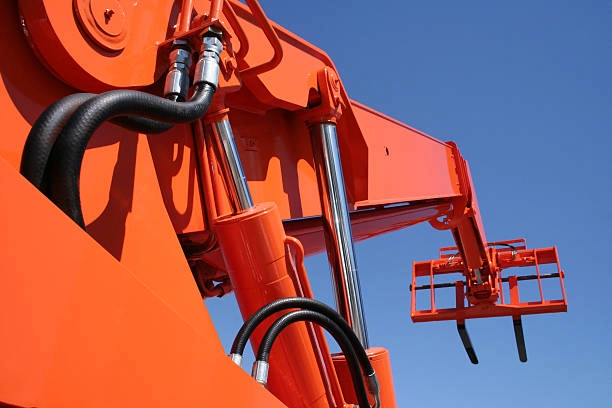

Log splitters rely on hydraulic power to crack through tough wood. At the heart sits the hydraulic cylinder, pushing the wedge with force. This component turns engine energy into splitting action.
Pick the right cylinder, and efficiency climbs. Durability follows suit. Heavy use demands ones built to last, avoiding breakdowns mid job.
What Makes a Hydraulic Cylinder “Heavy Duty”?
Heavy duty hydraulic cylinders stand out with thicker walls and larger bores. They handle high pressure without buckling. Materials like high strength steel resist wear.
Light duty versions suit occasional tasks, but they falter under constant load. Heavy duty ones boast ratings up to 3500 PSI. Bore sizes often hit 4 to 6 inches for serious work.
Stroke length matters too. Longer strokes cover bigger logs. Industry specs include rod diameter, usually 1.75 to 2 inches, for stability.
Differences in Design
Thicker cylinder walls prevent deformation. Seals in heavy duty models use advanced compounds for longevity.
Compare that to lighter cylinders, which might warp after repeated use. Heavy ones keep performance steady.
Key Features of the Best Log Splitter Hydraulic Cylinders
Top cylinders come with robust sealing systems. These prevent leaks during operation. Chrome plated piston rods fight corrosion and scratches.
Welded construction adds strength at joints. Anti-corrosion coatings protect against outdoor elements.
Shining Hydraulic offers standout advantages, like premium seals and tight machining tolerances. These reduce friction for smoother pushes.
Industry standards call for double acting designs. They extend and retract quickly, speeding up cycles.
Standout Performance Traits
- Sealing Excellence: High quality O-rings and backups stop fluid escape, even after thousands of cycles.
- Rod Durability: Chrome layering shrugs off dirt and impacts from wood debris.
- Build Quality: Reinforced ends handle side loads without bending.
Customers using Shining Hydraulic cylinders report smoother operation and longer service intervals. It’s a real boost for frequent users.
Take a typical 4.5 inch bore model. It delivers around 27 tons of force at 3500 PSI. Perfect for dense hardwoods.

Choosing the Right Size and Stroke for Your Wood Splitter
Size your cylinder based on the job. Bore diameter drives force output. Stroke sets how far the wedge travels.
Calculate needed thrust with a simple formula: Force (in pounds) = Pressure (PSI) × Area (square inches). Area is π × (bore/2)^2.
Convert to tons by dividing by 2000. For example, a 5 inch bore at 3500 PSI yields about 34 tons. Stroke often lands at 24 inches for standard splitters. Shorter for compact units, longer for pros.
Need a custom size? Shining Hydraulic offers tailored hydraulic solutions for commercial and DIY splitters.
Matching Cylinder to Machine
Consider log length first. A 24 inch stroke suits most home setups. Pump capacity plays in. Higher flow rates pair with larger bores for faster splits. Don’t overlook mounting. Pin or clevis styles fit different frames.
Cylinder Size vs Splitting Force
Here’s a quick table to guide choices:
| Bore Size (inches) | Pressure (PSI) | Approximate Force (tons) |
| 4 | 3500 | 22 |
| 4.5 | 3500 | 28 |
| 5 | 3500 | 34 |
| 6 | 3500 | 49 |
Use this as a starting point. Adjust for wood type—harder stuff needs more punch.
Oversized cylinders might strain smaller engines. Undersized ones drag on productivity. Balance is key.
Maintenance and Replacement Tips
Keep cylinders running smooth with regular checks. Look for leaks around seals. Wipe rods clean after each session. Change hydraulic fluid every season. Dirty oil wears parts faster.
Seal kits make replacements straightforward. Most include O-rings, wipers, and backups. For heavy use, inspect welds quarterly. Tighten fittings to avoid drips.
Replacement comes when repairs cost more than new. Swap in matching specs to keep balance.
Daily and Seasonal Care
- Rod Protection: Apply light oil to prevent rust buildup.
- Fluid Levels: Top off reservoirs; low levels cause cavitation.
- Storage: Cover units outdoors to block moisture.
These steps extend life. Skip them, and small issues grow big.
Common Problems and Troubleshooting
Leaks top the list of troubles. Often from worn seals or loose connections. Tighten fittings first. If thrust drops, check pressure valves. Clogged filters cut flow. Speed slows? Air in lines might be the culprit. Bleed the system properly.
Rebuild kits help fix internals. They include seals and guides for DIY repairs.
Step by Step Fixes
Start with visuals. Spot oil puddles under the cylinder. Test pressure with a gauge. Should hold steady at max PSI. For scratches on rods, sand lightly. Deep gouges mean replacement time. Noisy operation signals cavitation. Refill fluid and purge air.
These tips save downtime. Pros sometimes overlook simple valve adjustments, but they make a difference.
Custom Hydraulic Solutions for Commercial Log Splitters
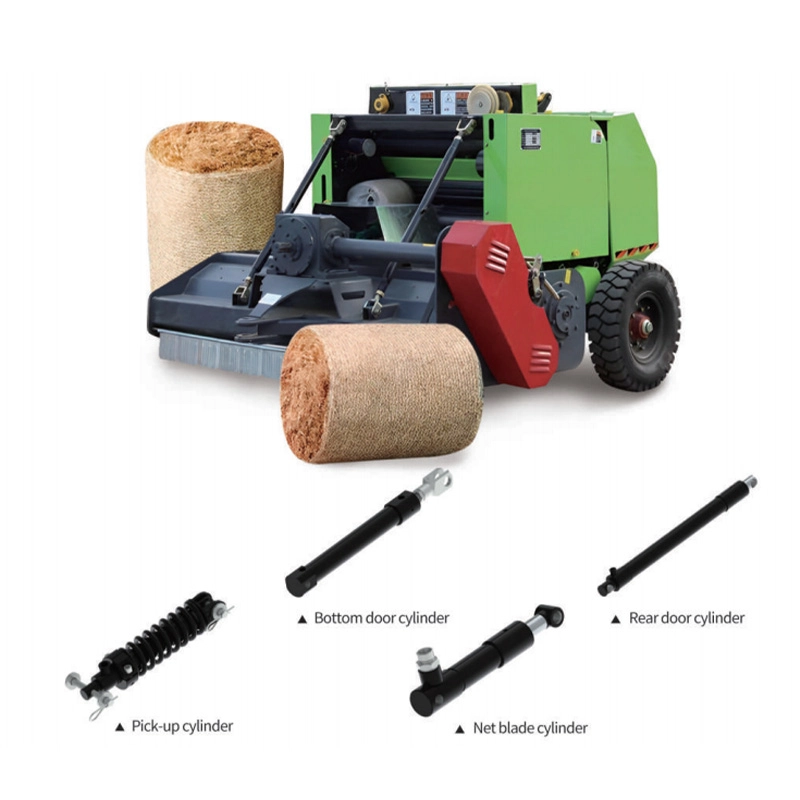
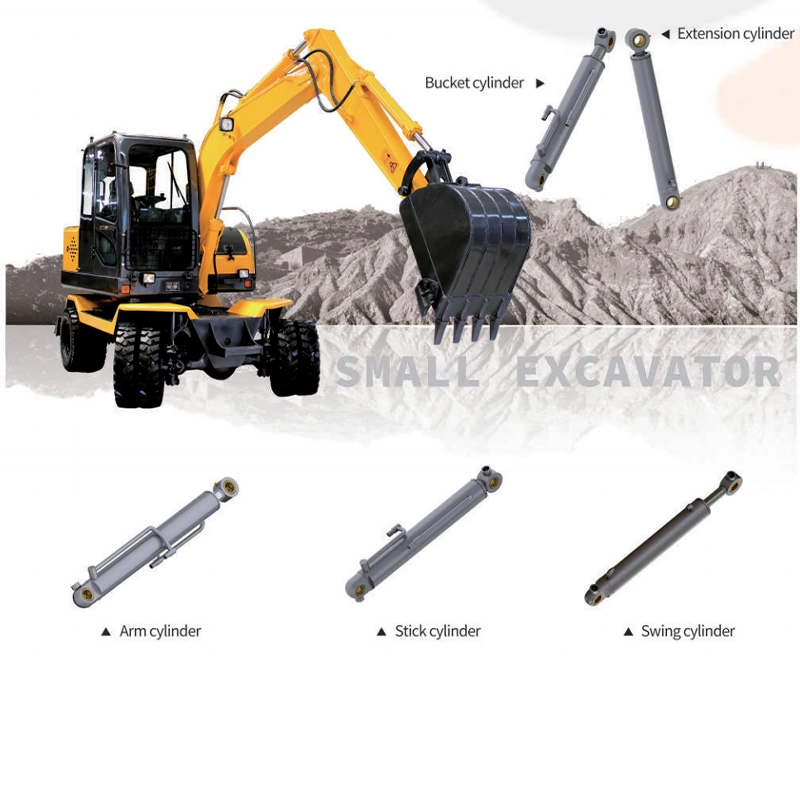
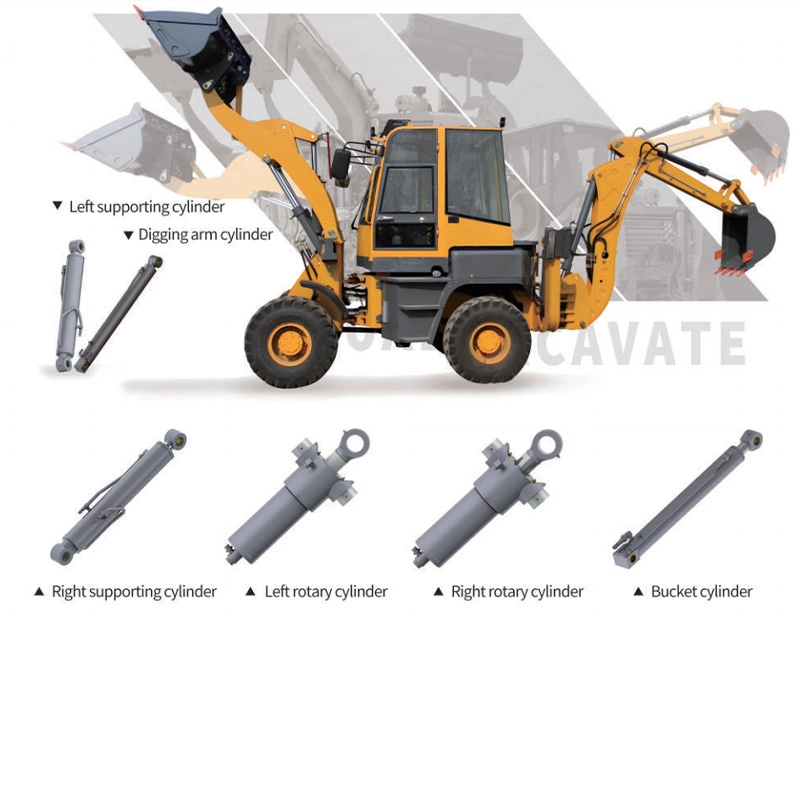
Commercial ops need specialized cylinders. Custom bores and strokes fit unique frames. OEM manufacturers like Shining Hydraulic craft units for high volume use. Think reinforced walls for non-stop cycles.
Industrial models handle PTO-driven systems. They mount on tractors for mobile splitting.
Go custom for odd specs. Standard ones won’t cut it for oversized logs.
Benefits of Tailored Designs
- Adaptability: Match exact force needs without overkill.
- Durability Boost: Extra coatings for harsh environments.
- Efficiency Gains: Optimized strokes reduce cycle times.
Shops report fewer failures with bespoke parts. Worth the investment for busy operations.
Conclusion: Upgrade to Performance and Reliability
Hydraulic cylinders drive log splitter success. Key aspects include robust features, proper sizing, and solid maintenance.
Heavy duty choices like those from Shining Hydraulic deliver on force and longevity. They tackle demanding tasks head on.
Skip quality, and efficiency suffers. Invest wisely for years of reliable splits.
Remember, the right cylinder turns a chore into quick work. Keep specs in mind next time.
FAQ
Q: What makes a hydraulic cylinder “heavy duty”?
A: Thicker walls, larger bores, high-strength steel, and pressure ratings up to 3500 PSI.
Q: How much splitting force does a 5-inch bore cylinder produce at 3500 PSI?
A: About 34 tons.
Q: What are common signs of a failing log splitter cylinder?
A: Oil leaks, reduced thrust, slower speed, or noisy operation.
Q: How often should hydraulic fluid be changed?
A: Every season or after heavy use.
Q: Can Shining Hydraulic provide custom cylinder sizes?
A: Yes, they offer tailored solutions for commercial and DIY splitters.