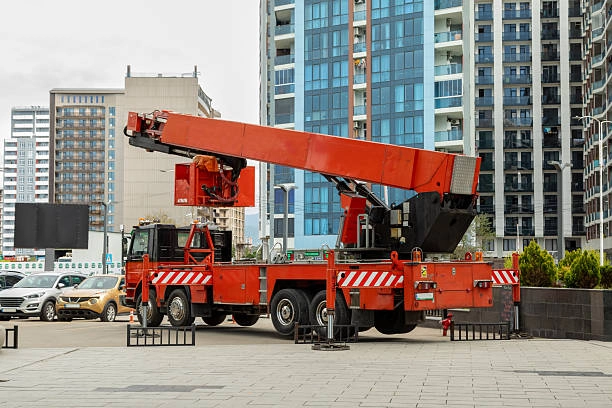
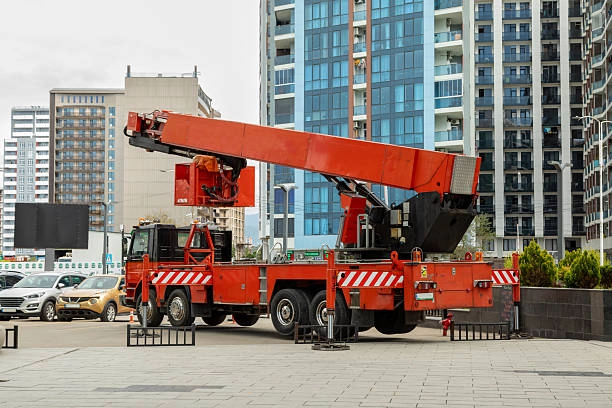
When it comes to aerial work platforms, few parts are as important as the hydraulic cylinder. It is the hidden power that lifts, holds steady, and places bucket trucks with accuracy. Without good hydraulic systems, even the top bucket truck would find it hard to work safely or well.
Importance of Bucket Truck Hydraulic Cylinders
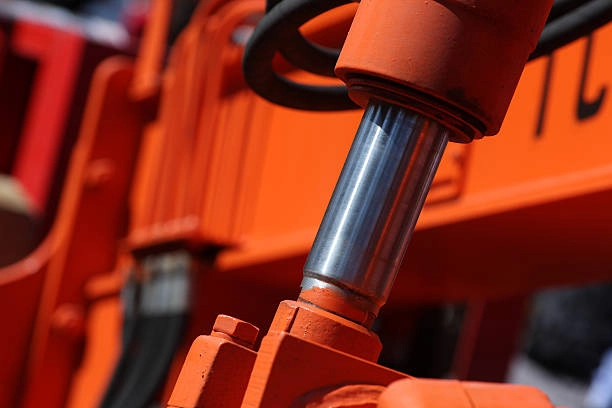
Hydraulic cylinders form the core of each aerial lift setup. They change hydraulic power into straight-line movement. This lets operators raise and lower the platform without much trouble. Such control keeps things stable when folks work up high. It also cuts down on quick shakes that might risk safety. In bucket trucks, these cylinders keep balance during side reaches or turns. This is key to stop tipping over.
A good cylinder gives exact placement. This is needed when working close to power lines or fixing tall buildings. The mix of strong lift and careful control makes hydraulic cylinders a must in today’s aerial work platforms.
Types of Hydraulic Cylinders for Bucket Trucks
Single-Acting vs. Double-Acting Cylinders
Single-acting hydraulic cylinders work in one way. They depend on gravity or a spring to pull back. They are basic and cheap. People use them where slow lowering is not a big deal. Double-acting cylinders use hydraulic push for both going out and coming back. This setup offers easier runs and better handling. It fits bucket trucks that need spot-on moves with different weights.
| Cylinder Type | Operation Method | Typical Use Case |
| Single-Acting | Pressure extends; gravity/spring retracts | Light lifting tasks |
| Double-Acting | Pressure extends and retracts | Bucket trucks, aerial platforms |
Telescopic Hydraulic Cylinders
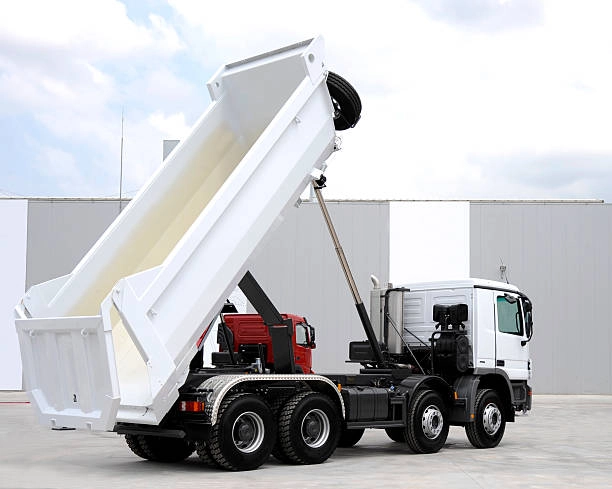
Telescopic cylinders have many levels that stretch out one after another. They give long reaches from a small frame. When pulled in, they take up little room. This is great for vehicles where space to store is tight. You often see them in dump truck hydraulic cylinder systems, and also in bucket trucks that need more length without extra size.
Applications of Hydraulic Cylinders in Bucket Trucks
Use in Fork Truck Lifting Booms
In fork truck lifting booms, hydraulic cylinders supply the strength to raise heavy stuff in a safe and right way. They boost how easy it is to move around by letting small changes, even in narrow spots. This helps a lot in storage areas or building sites where room is short.
Integration in Dump Trucks
Hydraulic cylinders play a main part in dump truck jobs too. They drive the tilt that lifts the bed to dump out things like rocks or dirt. A tough dump truck hydraulic cylinder boosts how fast work gets done. It does this by cutting wait times, all while keeping steady during the dump.
Selecting the Right Hydraulic Cylinder for Your Needs
Factors to Consider When Choosing a Cylinder
Picking the right cylinder hangs on a few things:
- Load capacity: The cylinder has to manage the biggest loads expected, without bending out of shape.
- Operating environment: Being around dirt, water, or wild heat can mess with how it works.
- Compatibility: Make sure it fits well with the bucket truck hydraulics and controls already there.
Evaluating Cylinder Performance and Reliability
How reliable a cylinder is starts with top materials and careful making. Bad joins or weak seals can cause drips or quick breaks. Easy access for upkeep counts too. Cylinders that let you swap seals fast cut down on time off the job.
Shining Hydraulic, a manufacturer specializing in hydraulic cylinders and complete hydraulic systems for machinery equipment industries, focuses on toughness through tight checks and better cutting methods. Their way shows they get that true dependability kicks off way before you put it in.
Maintenance Tips for Bucket Truck Hydraulic Cylinders
Routine Inspection and Servicing Practices
Regular checks spot problems before they get big:
- Look for drips near seals and connections.
- Check for odd wear on rods or attach spots.
- Swap out hurt seals right away to stop dirt in the fluid.
A tiny drip now can turn into a huge mess later if you skip it.
Best Practices for Extending Cylinder Lifespan
Greasing helps a ton in cutting rub between parts that move. Stick to suggested oils to avoid metal touching metal, which speeds up damage. Folks running them should steer clear of too much load, since high push can warp rods or bust seals too soon.
Cleaning up after dirty jobs keeps junk out of the setup. It’s an easy step that adds time to how long parts last.
Advantages of Choosing Shining Hydraulic Cylinders
Quality Assurance and Product Reliability
Shining Hydraulic’s making style centers on exact building and steady results in every group. Each cylinder goes through hard tests to confirm it hits marks under all kinds of setups. The company’s time helping machine fields has earned faith from workers who count on solid lift fixes each day.
Customer Support and Technical Assistance
Just as key is help after you buy. Shining Hydraulic gives tech aid for setting up right, fixing tips, and upkeep plans. This makes sure users pull the most from what they spent on gear.
Hydraulic tech might look simple at a glance. Pressure shifts pistons. But how it works for real depends on lots of small bits: how hard the stuff is, seal shape, how smooth the surface. That’s where know-how like Shining Hydraulic’s really stands out.
FAQs
Q: What type of hydraulic cylinder is best for bucket trucks?
Double-acting cylinders are preferred because they offer controlled extension and retraction suitable for precise positioning tasks.
Q: How often should I inspect my bucket truck’s hydraulic system?
A visual inspection should be done weekly, with full servicing every six months depending on usage intensity.
Q: Can telescopic cylinders be used interchangeably with single-stage ones?
Not always; telescopic designs suit applications requiring longer strokes within compact spaces.
Q: What causes premature wear on hydraulic cylinder seals?
Contaminated fluid, poor lubrication, or overpressure conditions are common culprits behind early seal failure.