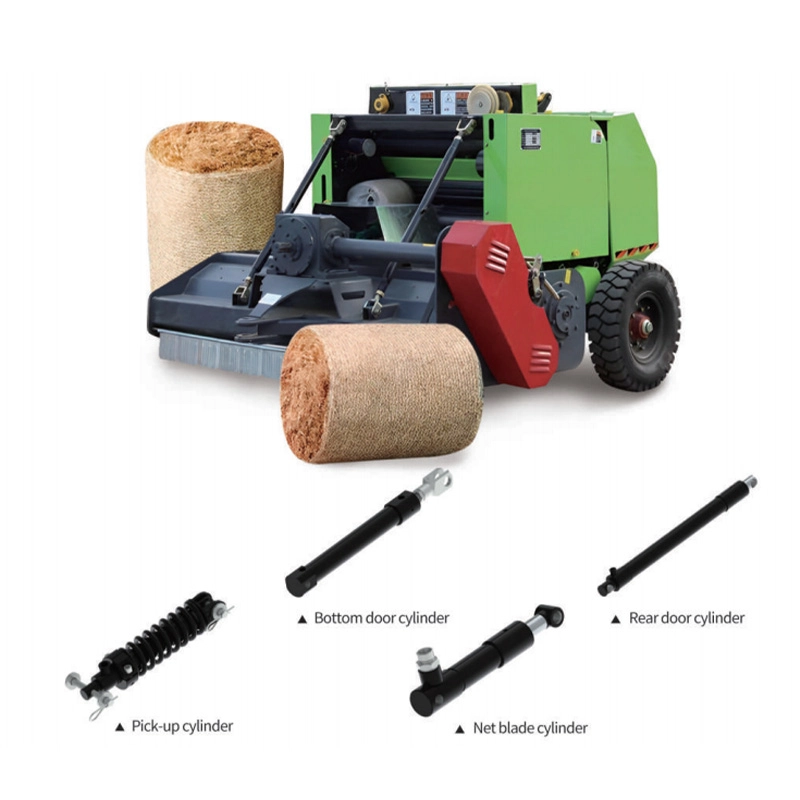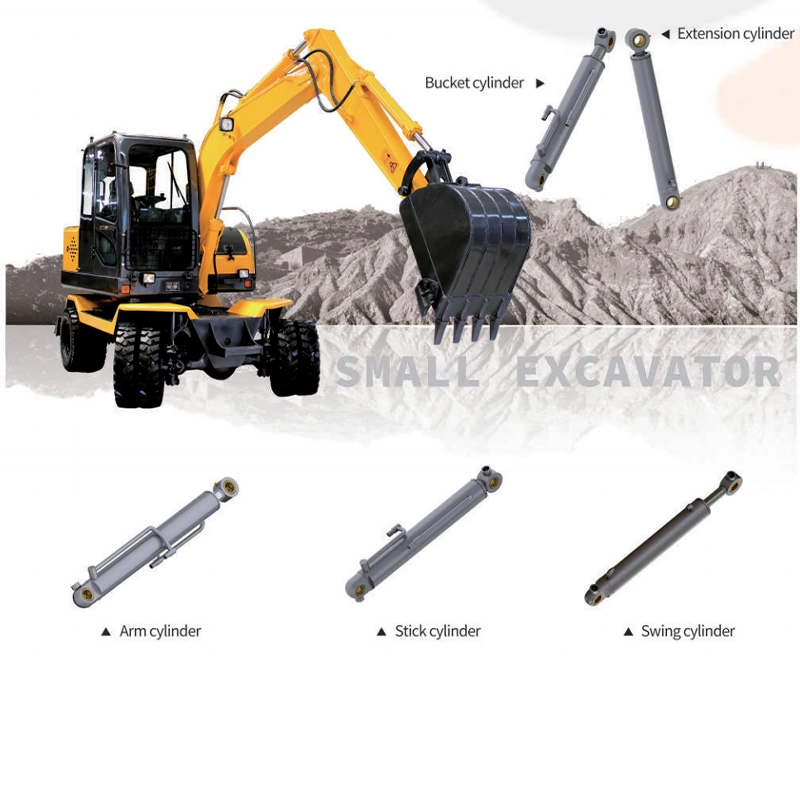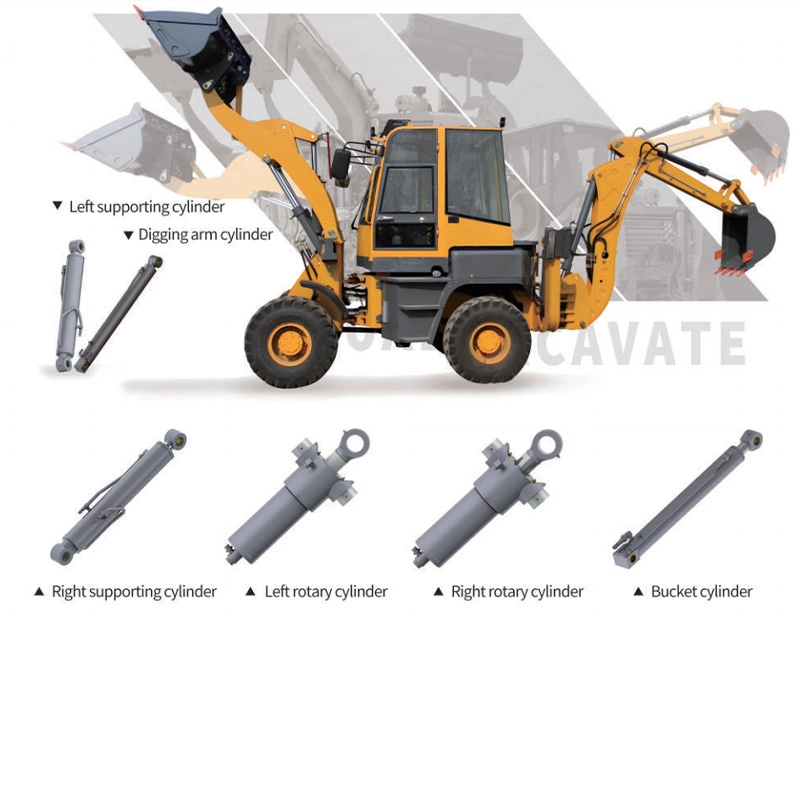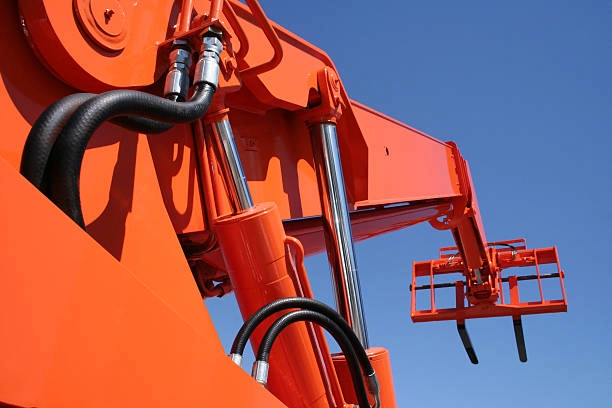
Can double-acting cylinders be used in all types of farm machinery? The short answer is: not always, but they are indispensable in many applications where precision, bidirectional force, and high power are required. From loaders to sprayers, their versatility is impressive, but factors like cost, space, and system design must be weighed carefully.
Overview of Double-Acting Cylinders in Agricultural Machinery
Core Functionality of Double-Acting Cylinders
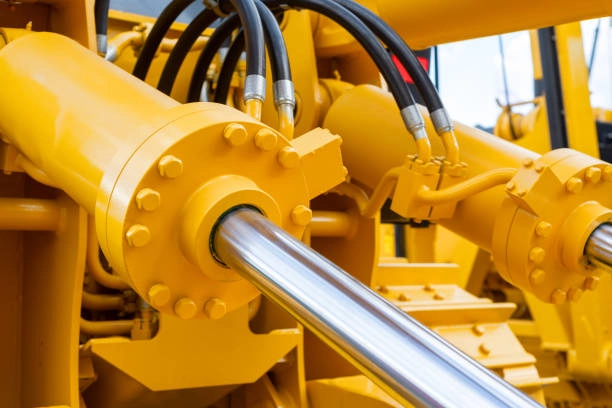
Double-acting cylinders work by pushing hydraulic pressure on both sides of a piston. This lets them move in two ways, extending and pulling back. They turn fluid power into straight line motion. That’s the main trick at their heart. This two way feature gives steady force through the whole stroke. It allows for steady and even movement.
These cylinders do not depend on gravity or outside springs to pull back. So, they give better control over where things end up. This matters a lot in farm work. Equipment there often runs on bumpy ground or with changing weights.
Common Applications in Agricultural Equipment
In today’s farming, double-acting cylinders show up in:
- Loader arms and plows for lifting or tilting heavy tools
- Folding parts on planters and cultivators
- Sprayer booms for raising and lowering spray bars
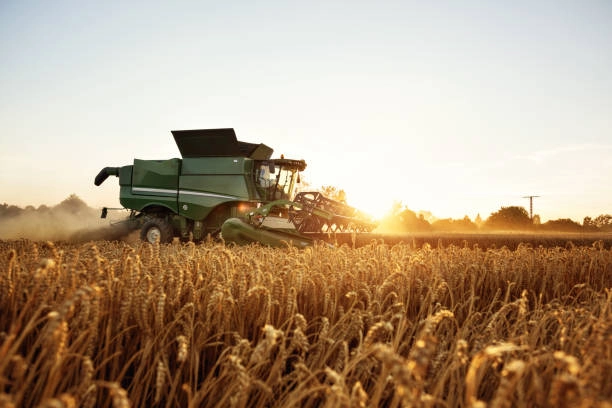
- Harvesters for setting header height or moving augers
The hydraulic cylinders deliver steady and repeatable motion. This helps make harvesting smooth and kind to crops. That kind of reliability is key for valuable plants.
Compatibility with Different Types of Farm Machinery
Tractors and Front End Loaders
Tractors often use double-acting cylinders in front end loaders to handle arms and buckets. This setup boosts handling and lifting strength. It helps especially with big loads like silage, manure, or dirt.
When matched with good control valves, workers can adjust loader moves with fine accuracy, down to millimeters. No rough lifts or messy drops.
Harvesting Equipment
From grain combines to sugar beet harvesters, double-acting cylinders do important jobs. They allow exact movement and force handling. This cuts down on part wear. And it makes equipment last longer overall. They move unloading augers and change header height quickly while running. These tasks must be quick and repeatable over thousands of uses each season.
Tillage and Planting Implements
Tools like disc harrows, seed drills, and plows use double-acting cylinders to set depth and change width. Even force spread is vital over wide equipment. If not, some rows could plant too shallow or too deep.
Double-acting designs make sure that when a plow lifts at the end of a field, it rises evenly. It does not drag one side. That’s a small thing, but it counts.
Sprayers and Irrigation Systems
In boom sprayers, double-acting cylinders manage up and down height and folding arms. Hydraulic cylinders offer easy to set and repeatable motion. This keeps machinery working with great accuracy. It’s vital for keeping spray patterns steady over uneven land. In irrigation gates, hydraulic actuation ensures water flows out at the right time.
Technical Considerations for Implementation
Hydraulic System Compatibility
Double-acting cylinders need hydraulic systems that handle flow in two directions, either open center or closed center kinds. This usually means trickier valve setups. A bad setup can lead to cavitation or uneven pressure.
So, before adding a new cylinder, check if your tractor’s pump flow rate and pressure levels fit the tool’s needs.
Load Requirements and Force Output
A cylinder that’s too small will stop under weight. One that’s too big wastes power. You must think about stroke length, speed, and how it’s mounted.
Too much load can cause early wear or breakdown. It’s not just about pushing strong, it’s about pushing wisely.
Mounting Configurations and Space Constraints
In some small machines or old tools, there is just no space for a full size double-acting cylinder. You might need custom brackets or links.
This is where makers like Shining Hydraulic help out. As a hydraulic cylinder manufacturer with solid know how in the field, Shining Hydraulic offers custom designs to fit even tight spots, especially for farm customers wanting special fixes.
Advantages Over Single Acting Cylinders in Agricultural Use
Bidirectional Control Enhancements
Unlike single acting types, which count on gravity or mechanical springs to pull back, double-acting cylinders give full control both ways. This is key when pulling back under weight or on slopes.
No waiting for gravity, no hoping it drops even.
Improved Versatility Across Equipment Types
A double-acting cylinder can handle all that a single acting one does, and extra too. That makes it great for machines with many roles and add ons that face different jobs all season.
Hydraulic cylinders come in many sizes. And you can make them in almost any setup needed for almost any job where straight force and motion are required.
Enhanced Durability Under Cyclical Loads
Many back and forth moves can wear out seals or rods fast. But since pressure works both ways, wear stays more even, and parts last longer with good care.
Shining Hydraulic focuses on this kind of toughness by using strong materials and seal tech in their products, making sure they hold up under repeated stress common in farm work.
Limitations and Potential Challenges in Universal Application
Cost Implications Compared to Simpler Alternatives
Double-acting cylinders are more complicated, and yes, pricier. For easy jobs like fertilizer hoppers or tailgates, a single acting unit might work fine.
Putting money into top quality hydraulic cylinders from a trusted maker may save cash over time. But the starting cost can still block smaller farms.
Maintenance Demands in Harsh Environments
Two seals and ports add spots where things can go wrong in dirty farm conditions. Dust, mud, crop bits, they sneak into exposed rod spots unless you shield them or keep up maintenance.
Not Ideal for Low Duty Applications
Using a double-acting cylinder for something like opening a light gate? That’s too much. More pipes, more pieces, same outcome as a basic spring loaded ram.
Factors Influencing Selection Across Machinery Types
Operational Requirements of the Implement
If a tool only needs a quick lift and gravity drop, like a dump trailer, a single acting cylinder might be enough. But if you need controlled lowering or lots of back and forth, pick double-acting.
Hydraulic System Capacity of the Host Machine
Don’t forget the power source. You have to check pump flow rate, pressure limits, and valve fit before adding. Putting high need cylinders on a weak flow tractor will not go well.
Economic Trade Offs Between Performance and Cost Efficiency
Farmers often balance top performance with what they can afford. It’s not about getting the fanciest part, it’s about getting the right one for your job.
That’s why makers like Shining Hydraulic do more than sell parts, they team up with equipment builders to match performance needs with real budgets.
FAQs
Q: Can I retrofit a single acting cylinder system with double-acting cylinders?
Yes, but you’ll need compatible valves and possibly a new hydraulic line setup.
Q: Are double-acting cylinders harder to maintain?
Slightly, they have more seals and ports, but regular maintenance keeps them reliable.
Q: Do all tractors support double-acting hydraulics?
Not all. Older models may lack the necessary valves or pump flow capacity.
Q: When should I avoid using double-acting cylinders?
Avoid them in low duty or cost sensitive applications where simpler systems suffice.
Q: Does Shining Hydraulic offer agricultural grade cylinder customization?
Yes. Shining Hydraulic provides tailored hydraulic solutions specifically for farm machinery across different operational scales.