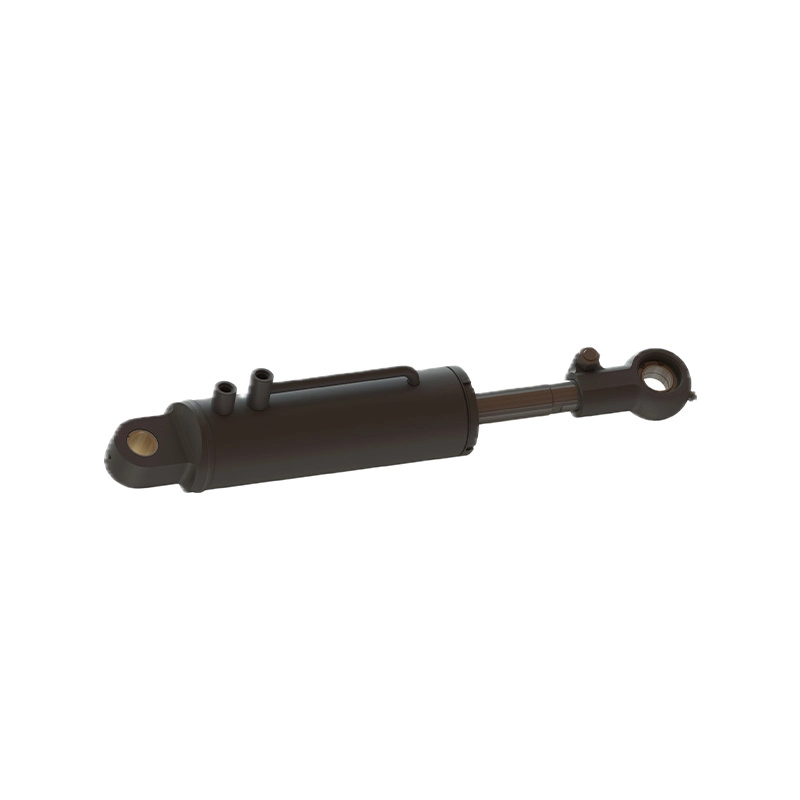
When a hydraulic cylinder fails, many folks wonder if it’s possible to weld the cylinder body or even the piston rod to fix it. The quick answer is yes—sometimes. But welding these parts needs close thought on material kind, heat treatment, and sealing setups. Done well, it brings back good work; done badly, it can cause leaks, wrong lineup, or big breakdown.
Understanding Welded Hydraulic Cylinders
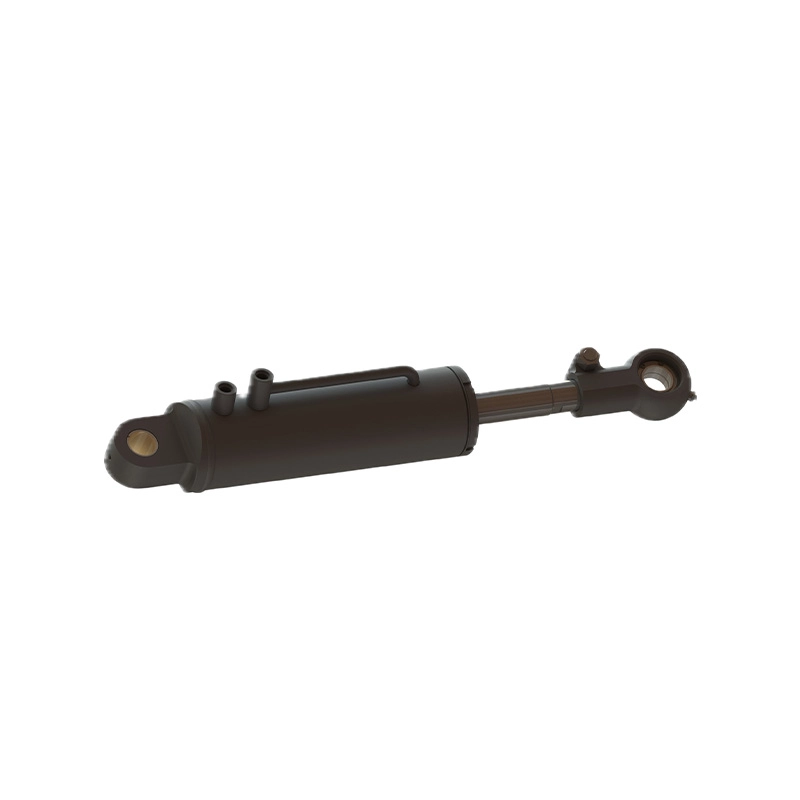
Hydraulic cylinders usually come in two main build types: tie-rod and welded. Tie-rod ones use threaded rods to keep end caps in place. Welded ones depend on lasting joints between the barrel and end caps.
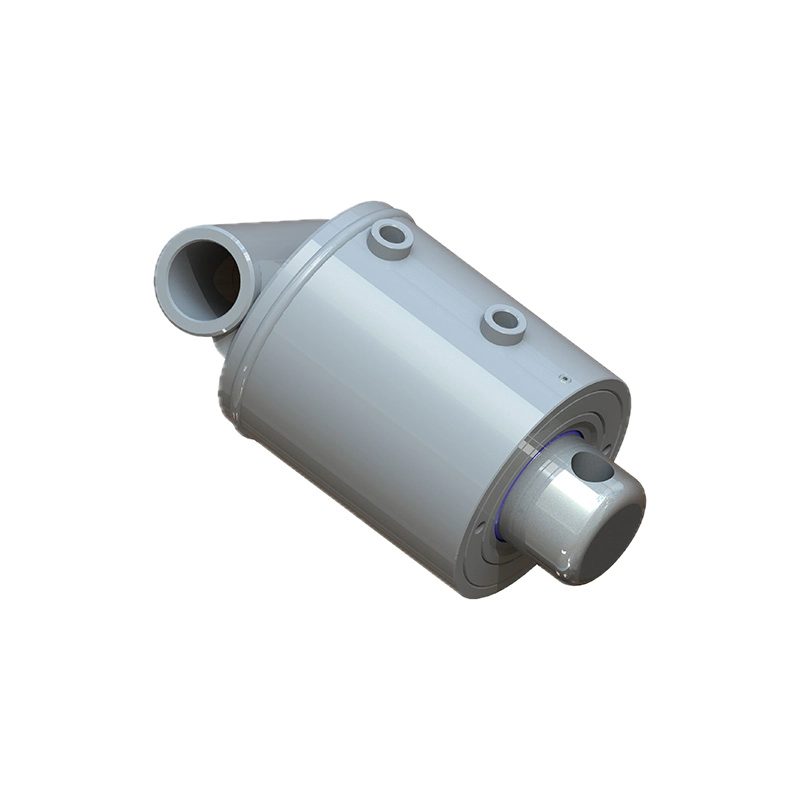
Shining Hydraulic’s hydraulic cylinders are welded structures made for tough performance and tight setup. The welded build skips outside tie rods. This allows smaller sizes and better stand against shakes or hard hits.
The plus sides of welded hydraulic cylinders include:
- Small design fit for tight spots.
- Better stand against pressure from full welds.
- Less chance of getting loose compared to tie-rod types.
- Simpler fit into custom machines.
For manufacturers like Shining Hydraulic, which helps the machinery gear field by giving key hydraulic movers and full system fixes, welded build makes sure of steady work and long life in hard settings.
Welding the Cylinder Body or End Caps
It is possible in tech terms to weld a hydraulic cylinder body or its end caps in some cases. You can do it when the harm is in one spot—like a tiny crack or small hole leak—and when the material mix lets good join without messing up the bore lineup. Good welders can bring back the strength of mild steel barrels with managed heat add and after-weld cutting.
But welding should be skipped when:
- The cylinder bore has hard liners or exact finishes that could twist from heat.
- The spot near seals or threads might get too hot during welding.
- Dirt inside the cylinder could hurt work after fix.
In these spots, swapping the part is safer than trying a weld fix that might cut down build strength.
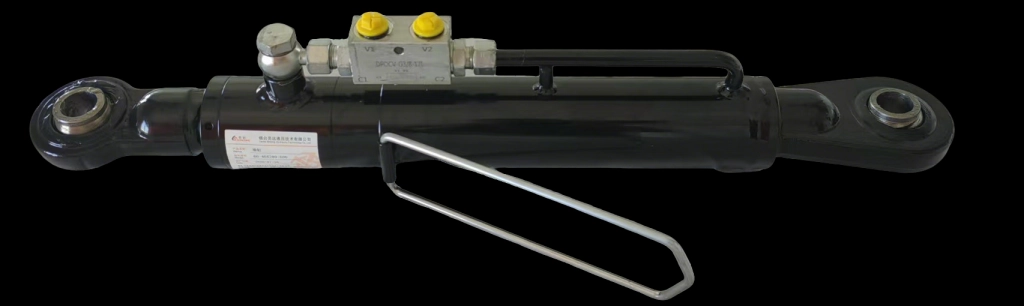
Welding the Piston Rod
The piston rod is one of the most key parts of any hydraulic cylinder. In Shining Hydraulic’s design, the piston rod is made of 45-hardened steel—a medium-carbon steel known for its mix between power and toughness. Its outside is chrome-plated to boost wear stand and rust stand. This ensures smooth run inside seals and bearings.
Because of this chrome layer and hardening step, straight welding on a piston rod is not a good idea. Welding can lead to cracks in hard zones or peeling of chrome plate from heat stress. If a rod snaps or bends a lot, swapping it is often more trusty than fix by welding.
For small flaws like outside dents or marks, shining or new chrome might work better than using heat.
Recommended Welding Techniques for Hydraulic Cylinders
Suitable Welding Processes for Cylinder Components
When welding is needed, choosing the right process matters a lot. Common techniques include:
- TIG (GTAW) – Great for thin sections needing exact control
- MIG (GMAW) – Fit for mild steel barrels with average thickness
- Stick (SMAW) – Often used in field fixes where carrying is easy
Each method has benefits depending on material type and use setting. For example, MIG gives faster buildup rates good for making lots. Meanwhile, TIG offers cleaner welds with little splash—important when sealing hydraulic spaces.
Before any welding starts, all Hallite seals—used a lot in hydraulic setups—must be taken out from close spots to stop heat harm or chemical break during fix.
Post Welding Heat Treatment and Quality Assurance
Post weld heat treatment eases leftover stress brought in during welding. It restores mechanical traits near the weld spot. This step helps stop cracking under repeated loading conditions common in hydraulic systems.
Quality assurance uses non-destructive testing ways such as ultrasonic checks or magnetic particle testing. These detect hidden flaws before putting things back together. Pressure testing afterward makes sure no leaks happen once fluid is added back.
Factories like Shining Hydraulic put in strict quality checks after every weld step. They do this to ensure their welded hydraulic cylinders meet global toughness standards before sending them out.
Why Factory-Welded Cylinders Are Preferred
Advantages of Factory-Welded Cylinders
Factory-welded cylinders give several good points over field-welded fixes:
- Steady quality check through auto steps.
- Exact lineup between barrel and end cap during put together.
- Use of checked materials with noted traits.
- Pressure check after making to confirm seal strength.
Manufacturers do non-harm tests like sound wave check to find inside flaws before sending items out. This kind of close look makes sure each welded joint meets both build and safety rules needed for work use.
Limitations of On-Site Welding
On-site welding might look easy but comes with many hurdles:
- Lack of managed spot—dust or wet can dirty welds.
- Hard time keeping lineup between parts during hand fix.
- Limited reach to special tools for after-weld cutting or smoothing.
- Risk of harming seals or coats from wild heat touch.
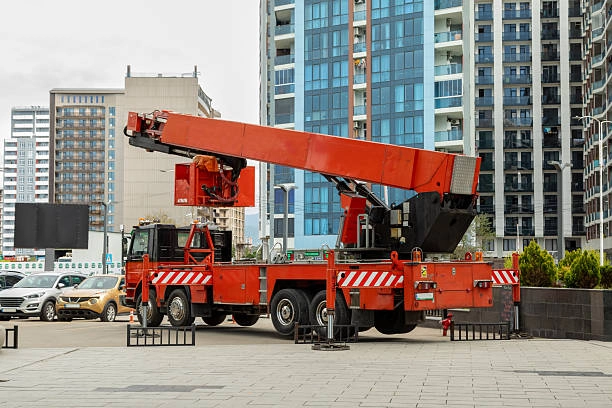
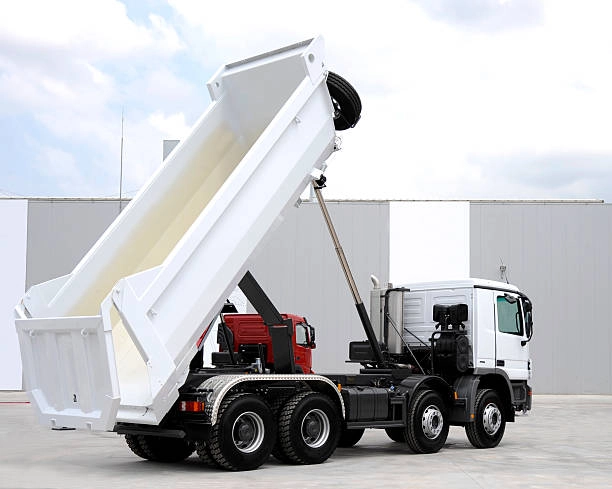
Even skilled workers face limits when working outside factory spots. Fixing a hydraulic cylinder by welding needs deep know of metal work and exact building rather than just hand skill with a torch. While some body fixes can work if done with care, key parts like piston rods should hardly get welded. Their outside treatments are vital for lasting. For long run steady and safety, factory-welded cylinders stay the top pick across fields using heavy gear—from build tools to farm systems—where stop time costs way more than fast patch ups.
FAQs
Q: Can all types of hydraulic cylinders be welded?
Not all; only certain materials like mild steel barrels can safely undergo welding with proper procedures.
Q: Is it safe to weld a cracked piston rod?
Generally no—it’s safer to replace or recondition using non-welding methods like metal spraying.
Q: Why can’t piston rods be easily welded?
Because they’re hardened and chrome-plated; welding hurts both hardness and plate stick.
Q: What materials are most suitable for welding in hydraulic systems?
Mild steels work well; hardened steels need special warm up and managed cool if welded at all.
Q: Should seals be removed before any repair?
Yes—always take out Hallite seals before using heat near them to stop melt or shape change.