Soil compactors and tamping rammers play key roles in construction compaction and agricultural land preparation. They pack down soil tight, creating stable bases for roads or fields.
Pick the wrong cylinder, and problems pile up. Compaction force falls short, leading to uneven packing and rework. Oil leaks cause downtime, stalling jobs during busy seasons. High-frequency vibrations loosen welds or bolts, causing early cylinder failure.
These machines face ongoing impacts, dust, and corrosion—tougher than standard gear. Don’t just grab a generic standard. Many manufacturers, such as Shining Hydraulic, design hydraulic cylinders specifically for compactors and tamping rammers to withstand constant vibration and dusty, muddy environments.
How Your Soil Compactor or Tamping Rammer Works
Types of Soil Compactors and Tamping Rammers
Common types include plate compactors, walk behind rollers, and tamping rammers. Plate compactors vibrate flat plates for broad areas. Walk behind rollers use drums for smoother finishes. Tamping rammers jump with a narrow foot for tight spots.
Each design affects cylinder needs. Plate compactors often want short strokes with quick cycles. Rollers might need longer strokes for even pressure. Tamping rammers demand high thrust in compact mounts.
Typical Loads, Duty Cycles, and Shock Conditions
High-frequency short strokes suit rammers, pounding soil fast. Low-frequency long strokes fit some rollers, applying steady pressure.
Shock loads hit hard. Reverse impacts occur when equipment lands, stressing the cylinder body, welds, and seals.
This calls for high-strength barrels, vibration-resistant mounts, and solid cushioning. Skip these, and wear accelerates.
Step 1: Define the Required Force and Stroke
Start with basics to choose hydraulic cylinder for soil compactor or calculate stroke for tamping rammer cylinder.
Estimate the Required Compaction Force
Use a simple formula: Force = Pressure × Piston Area (F = P × A). Say system pressure is 2000 psi and you need 10,000 lbs force. Piston area comes out around 5 square inches, pointing to a bore size of about 2.5 inches.
Check machine specs for pump pressure. From target compaction force, backtrack to bore size. A slightly larger bore cuts system pressure or boosts lifespan. Saves headaches later.
Determine the Stroke and Available Space
Strokes in these machines stay short but need fast, frequent reciprocation. Measure existing cylinders: extended length pin-to-pin, retracted length pin-to-pin. Stroke equals extended minus retracted.
Ensure stroke avoids bottoming out or clanging metal. That wrecks parts quick in high-vibe work.
Step 2: Choose the Right Cylinder Type for Compacting Applications
Focus on welded hydraulic cylinder for soil compactor or single acting vs double acting cylinder tamping rammer.
Welded vs Tie-Rod Cylinders in Vibrating Machinery
Welded cylinders fuse components into one tough unit. Tie-rod types bolt together with rods.
Most compactors and rammers go welded. They’re compact, rigid, and shake-resistant. Ideal for rough jobsites or fields. Tie-rods might loosen over time in vibes.
Single-Acting vs Double-Acting for Soil Compactors
Single acting cylinders push one way, relying on gravity or springs to return. Double-acting use oil pressure both directions.
Double acting dominates in soil compactors and tamping rammers for controlled rhythm and return speed. Some basic ag tools stick with single-acting to trim costs. Weigh control against simplicity.
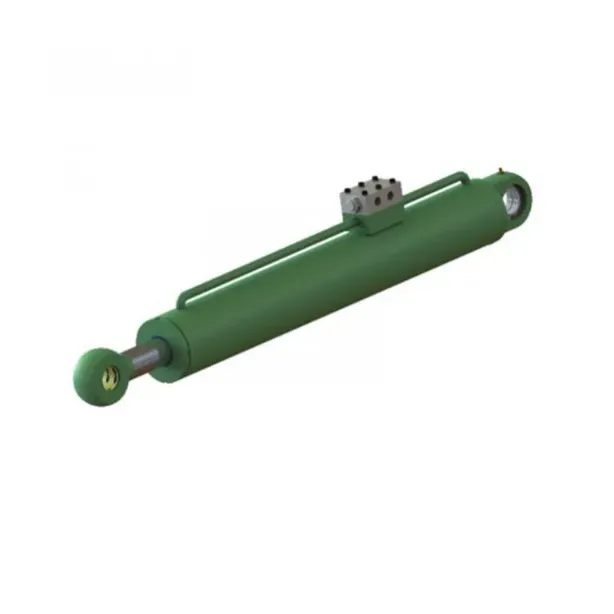
Step 3: Get Your Key Dimensions Right
Learn how to measure hydraulic cylinder on soil compactor, covering bore size rod diameter stroke length.
Bore Size, Rod Diameter, and Wall Thickness
Bore sets max thrust. Larger bore, more force at same pressure. Rod handles bending and impacts. Thin rods in rammers bend or fatigue easy.
Cold-drawn barrels or thick walls shine in high-shock spots. They hold up better overall.
Mounting Style and Pin Sizes for Compacting Machines
Clevis, cross-tube, or trunnion mounts are common. Clevis pins to frames simple. Cross-tubes weld on for strength. Trunnions pivot for angles.
In compactors, pins and bushings need solid strength and grease. High vibes wear them fast if skimped. Keep an eye on that during seasons.
Port Type and Orientation
NPT ports thread tapered for seals. ORB ports use O-rings for straight fits.
Match original when swapping—eases install. For compactors, position ports away from mud splashes and hits. Makes bleeding air and fixes smoother.
Step 4: Sealing, Materials, and Corrosion Protection in Dusty, Muddy Fields
Address dust proof hydraulic cylinder seal and corrosion resistant hydraulic cylinder for agriculture.
Wiper Seals and Rod Seals for Dust & Grit
Wiper seals scrape dirt off rods. Rod seals keep oil in, contaminants out.
In sandy sites or fields, grit sticks to rods. Bad wipers let it inside, scratching walls and seals. Ruins cylinders fast.
Rod Coatings and Corrosion Resistance
Coatings like chrome fend off rust. Salt-spray tests check endurance in harsh air.
Quality layers cut pitting. Vital in wet, fertilized soil or salty coasts. For example, some manufacturers like Shining Hydraulic use corrosion-resistant rod coatings and rigorous salt-spray testing to ensure the rods survive long seasons in wet, fertilizer-rich soil.
Cushioning and Shock Protection
Cushions slow ends of strokes, dodging hard metal hits.
Protects welds, mounts, and machine frames. Eases operator feel too. Essential in pounding jobs.
Step 5: Operating Environment – Temperature, Oil, and Maintenance
Cover hydraulic cylinder for extreme temperatures and extend hydraulic cylinder service life.
Temperature Range and Seal Materials
Cold mornings in winter work or ag seasons stiffen oil and seals. Pick cylinders rated for your temps and oil types. Keeps things running smooth.
Oil Cleanliness and Filtration in Dusty Jobsites
Dust sneaks in via rods, gunking systems. Filters and oil changes matter big.
Simple Inspection Checklist Before the Season Starts
Pre-season: Scan rods for scratches or rust. Check leaks. Measure pin and bushing play. Inspect wiper seals for cracks or hardness.
Common Mistakes When Choosing a Hydraulic Cylinder for Soil Compactors and Tamping Rammers
Avoid hydraulic cylinder failure on soil compactor.
1. Buying generic that “looks close,” ignoring bore, rod, stroke diffs.
2. Overlooking vibes, picking tie-rod that loosens and leaks early.
3. Skipping corrosion for cheap rods in mud and fertilizer.
4. Forgetting wiper seals and dust guards.
5. Bad mount alignment bends rods, kills seals quick.
Sometimes folks rush orders without measuring—big regret.
A Practical Checklist Before You Order a New Cylinder
- Machine type & model (soil compactor or tamping rammer)
- System pressure & desired compaction force
- Bore / rod / stroke / pin-to-pin dimensions
- Mounting style and pin sizes
- Port type, size, and preferred orientation
- Operating environment (dust, mud, fertilizer, coastal air…)
- Temperature range & seasonal usage pattern
Sharing this checklist with your cylinder supplier – for example, with an engineering team at Shining Hydraulic – makes it much easier for them to design or recommend a cylinder that matches your compactor or rammer perfectly, without trial-and-error.
FAQ
Q: What type of hydraulic cylinder is best for a soil compactor?
For soil compactors, a welded hydraulic cylinder is typically the best choice because it offers higher structural strength, better resistance to vibration, and a compact profile that fits tight mounting spaces.
Q: How do I size a hydraulic cylinder for a tamping rammer?
Sizing a tamping rammer hydraulic cylinder requires checking system pressure, calculating the required force (F = P × A), and verifying the bore, rod diameter, and stroke to match the rammer’s compaction cycle.
Q: Can I replace my soil compactor’s cylinder with a different bore or stroke?
You can replace it, but changing the bore or stroke affects compaction force, cycle speed, and machine balance. It’s best to match the original cylinder dimensions or consult a manufacturer for proper sizing.
Q: Why do hydraulic cylinders on compactors leak frequently?
Frequent leaks are usually caused by dust contamination, poor wiper seals, rod corrosion, or misalignment from vibration. Choosing cylinders with strong wiper seals and corrosion-resistant rods helps prevent early seal failure.
Q: What information do I need to order a new hydraulic cylinder for a soil compactor?
You’ll need bore size, rod diameter, stroke, pin-to-pin lengths, mounting style, port type, system pressure, and details about the working environment (dust, mud, vibration, temperature).