Why Rock Drill Truck Cylinders Fail More Often than Standard Cylinders
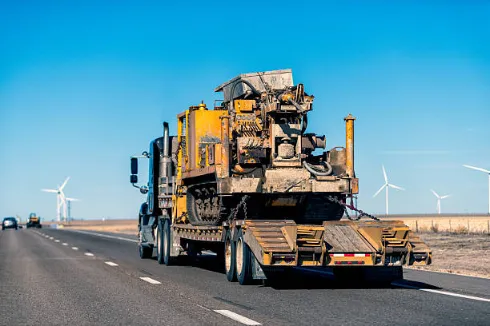
Rock drill trucks are tough machines built for mining and quarrying. They rely on hydraulic cylinders to move key parts like the boom, feed beam, rod handler, and outriggers. These cylinders handle the heavy lifting, quite literally, in drilling operations.
The work environment is brutal. Continuous high loads, impact shocks, frequent back-and-forth motions, all in dusty and wet conditions. This setup abuses cylinders more than in regular construction equipment. Dust clings everywhere, vibrations rattle components, and moisture sneaks in.
No wonder hydraulic cylinder failure hits rock drill trucks harder. Common issues stand out more here, demanding special attention in design and upkeep.
Overview – Most Common Hydraulic Cylinder Failures
Most common causes of hydraulic cylinder failure in mining equipment.
• seal failure
• fluid contamination
• side loading & bent rods
• rod & piston damage / scoring
• corrosion & external damage
• over-pressure / shock loading
Failure Mode 1 – Seal Failure and Internal/External Leaks
How It Shows Up on Rock Drill Trucks
On rock drill trucks, seal issues are hard to miss. Oil streaks on the rod, grimy buildup around the cylinder body. Pressure drops off, causing the boom or feed to drift down slowly.
Main Causes in Rock Drilling Applications
Dust is the enemy. It sneaks past seals, scraping rods and causing wear. High-frequency impacts spike pressures, extruding seals out of place. Temperature swings—hot days, cold nights—age seals fast, leading to cracks.
In rock drilling, these combine for quicker breakdowns. Hydraulic cylinder seal failure thrives in such spots.
Prevention Tips
Start with design choices. Pick seals and guide rings that handle abrasion, high temps, and lows. Beef up wiper and dust seals to block intruders.
On the job, keep rods clean. Wipe them down regularly. Spot leaks early and swap seal kits before full failure. How to prevent seal failure on rock drill hydraulic cylinders? It’s about proactive checks.
Hydraulic cylinder leaks can halt operations, so staying ahead pays off.
Rock drill cylinders from Shining Hydraulic typically use heavy-duty wiper and rod seal packages selected specifically for dusty drilling environments to minimize premature leakage.
Failure Mode 2 – Fluid Contamination in Harsh, Dusty Environments
Why Rock Drilling Is a Contamination Hotspot
Rock powder, muddy water, drill cuttings—they stick to rods. Poor scrapers let them enter the fluid through seals. Frequent hose swaps and rough field refills add particles and moisture too.
Site conditions don’t help. Open-air mining means constant exposure. Dirty oil hydraulic cylinder failure starts here.
Effects on Cylinders
Contaminated fluid scratches bores and rods, wrecks seals, ramps up wear. Internal leaks follow, with heat buildup and lost efficiency. Eventually, the cylinder quits.
In rock drills, this cycle speeds up due to non-stop ops.
Prevention Tips
Use high-efficiency filters and change them on schedule. Manage fluid cleanliness to ISO 4406 standards. During maintenance, stick to clean oil and tools—no open-air pours.
Test oil samples regularly, especially on 24/7 rigs. How to prevent hydraulic cylinder failure from contaminated oil on rock drills? Consistent monitoring keeps things running smooth.
Hydraulic fluid contamination is sneaky, but catchable.
Failure Mode 3 – Side Loading and Bent Rods on Boom and Feed Cylinders
Typical Symptoms on Rock Drill Trucks
Boom cylinders show one-sided rod scratches. Feed cylinders jitter or veer off when extending. Bent rods appear, with quick wear on guides or eyes. It’s obvious when alignment goes wrong. The truck might even feel unstable during drills.
Root Causes
Misaligned installs between cylinder and guides or frames. Constant angle tweaks for holes create side forces. Undersized rods or bores can’t take the shocks and loads. Bent rod rock drill cylinder problems often trace back to these.
Preventing Side Load Failures
Design smart. Choose mounts like trunnions, spherical bearings, or clevises for flexibility. Oversize rods, extend guides, bump safety factors.
In the field, align with jigs during setup. Check pin and bushing gaps often. How to avoid bent hydraulic cylinder rods on rock drill trucks? Proper mounting from day one.
Hydraulic cylinder side load can be brutal, but preventable.
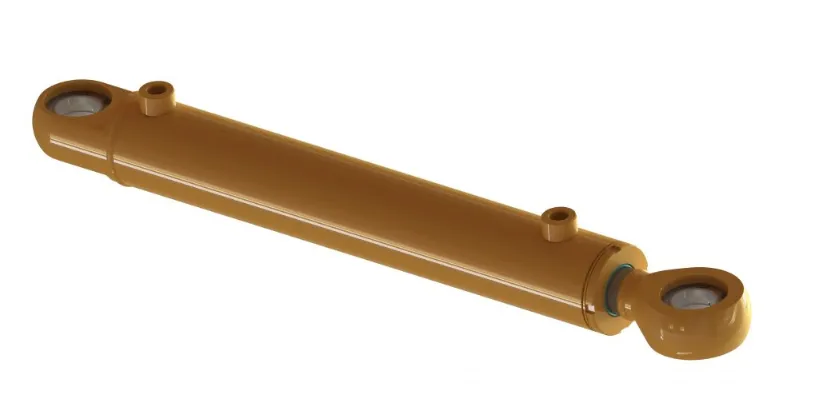
Shining Hydraulic often designs rock drill boom and feed cylinders with oversized rods and optimized mounting to handle the sideload and vibration typical of quarry and mining sites.
Failure Mode 4 – Rod, Piston and Bore Damage from Shock and Vibration
Rock drilling delivers pounding impacts. These loosen piston locks, chip piston faces. Bores get scored inside the tube. Welds crack, eyes snap. It’s the vibration that really grinds things down over time.
Preventing bore scoring in heavy duty rock drill cylinders means tough builds. Use heavy-duty cylinders, alloy steels, good cushions for soft stops, reinforced welds and eyes.
Operationally, skip overloads and hard rams. Add accumulators or dampers if needed. Hydraulic cylinder bore scoring and piston damage hydraulic cylinder failures drop with these steps.
Sometimes, a simple buffer saves big headaches.
Failure Mode 5 – Corrosion and External Damage in Outdoor Mining Sites
Open pits and tunnels expose everything. Rain, mud, rock dust, chemical sprays—they corrode rods, tubes, fittings. Falling rocks dent tubes, crack welds. It’s rough out there.
Protecting rock drill hydraulic cylinders from corrosion and rock impact starts with coatings. Chrome plating plus paints, nickel, zinc for resistance. Add guards too.
When parked, keep rods retracted to avoid exposure. Cycle them occasionally for oil films. Inspect for dings, fix or replace fast.
Hydraulic cylinder corrosion and external damage hydraulic cylinder issues are common, but shields help.
Design-Level Prevention – Building Heavy-Duty Cylinders for Rock Drill Trucks
Tackle failures at the drawing board. Size bores and rods right, with ample safety margins. High-quality materials and welds stand up better. Special seals, cushions, end mounts tailored for the job. Go custom over off-the-shelf for rock drills.
Heavy duty hydraulic cylinders for rock drilling benefit from purpose-built tweaks. Custom hydraulic cylinders match the truck’s needs.
Working with a specialist manufacturer like Shining Hydraulic allows OEMs to specify rod sizes, cushions, mounts and seal packages that are purpose-built for their rock drill trucks, greatly reducing the risk of premature cylinder failure.
Maintenance Checklist – Daily, Weekly and Seasonal Tasks
Keep cylinders alive longer with routines. Daily: Scan for leaks, wipe rods, watch for odd moves or sounds.
Weekly: Check pin gaps, bolt tightness, guards.
Seasonal or scheduled: Swap oil and filters, test samples, inspect seals, measure rod straightness.
Hydraulic cylinder maintenance is straightforward. Extend hydraulic cylinder life by sticking to it.
Turning Cylinder Failures into Design and Maintenance Lessons
Rock drill truck conditions magnify common hydraulic cylinder failures. Harsh loads and dust turn small issues big. Yet, most are avoidable. Heavy-duty designs, clean fluid and seals, right installs and care cut them down.
Pick makers who get these setups. Prevent hydraulic cylinder failure, boost rock drill hydraulic cylinder reliability. How to reduce hydraulic cylinder failures on rock drill trucks? Learn from past breaks, apply the fixes.
Common hydraulic problems on rock drilling equipment don’t have to sideline ops.
FAQ
Q: What causes hydraulic cylinder failure on rock drill trucks?
Hydraulic cylinders fail mainly due to seal wear, fluid contamination, side loading, bent rods, scoring, corrosion, and shock loading from drilling vibrations.
Q: How do I know if a hydraulic cylinder is failing?
Common symptoms include oil leaks, rod drift, abnormal noise, jerky movement, reduced power, rod scoring, or overheating during drilling operations.
Q: Why do rock drill truck cylinders bend more easily?
Rock drill cylinders face strong side loads from boom angles, misalignment, and vibration. Without proper rod diameter or mounting design, rods can bend prematurely.
Q: How can I prevent hydraulic cylinder failure in drilling applications?
Use clean hydraulic oil, protect rods from dust, ensure proper alignment, select heavy-duty seals, inspect pins and bushings, and follow routine maintenance schedules.
Q: What type of hydraulic cylinders work best for rock drilling?
Heavy-duty cylinders with oversized rods, reinforced seals, shock-absorbing cushions, wear-resistant coatings, and robust mounts perform best in rock drilling environments.