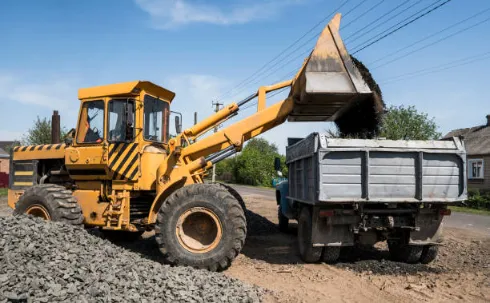
Front loaders handle tough jobs in quarries, mines, construction sites, and farms. They scoop, lift, and dump heavy loads day in and day out. But when front loader hydraulic cylinders start leaking or losing power, the whole machine grinds to a halt.
Fleet managers often wonder: Should we rebuild the loader cylinders or replace them? It hinges on the cylinder’s technical condition, the equipment’s remaining life, downtime costs, and how easy it is to get parts or services.
Rebuild vs replace hydraulic cylinders comes down to balancing short-term fixes with long-term reliability.
Front Loader Hydraulic Cylinders in Your Fleet
Key cylinder types on a front loader
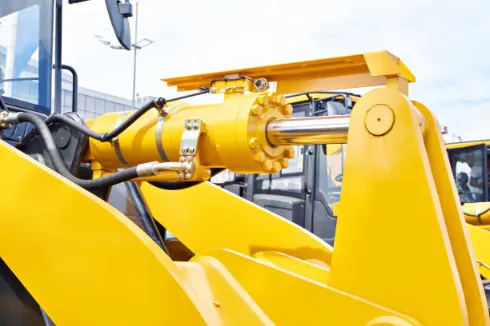
Front loader hydraulic cylinders come in a few main types.
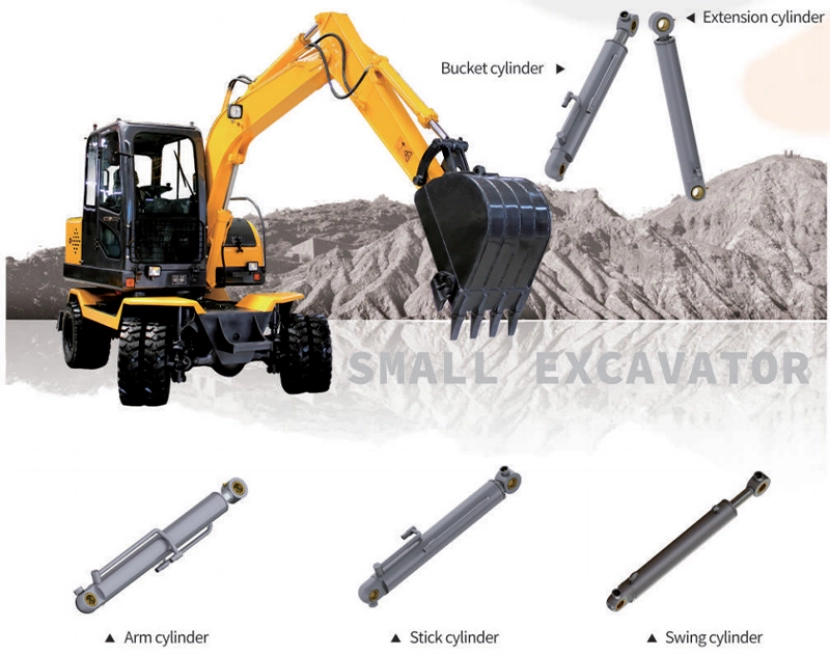
- Lift cylinders raise and lower the arms, handling the bulk of the weight.
- Tilt cylinders, or bucket cylinders, control the bucket’s angle for dumping or digging.
- Steering cylinders help with maneuverability, especially on articulated loaders.
Why cylinders on loaders work harder than you think
Loaders cycle through loading, traveling, and unloading dozens of times an hour. That constant motion wears down seals and rods fast.
Impact loads sneak up too—dropping material or bucket strikes jolt the system. Side loads from uneven ground add extra stress.
Dust, mud, and corrosive elements creep in everywhere. In a quarry, fine particles grind away at surfaces like sandpaper.
The Case for Replacing Front Loader Hydraulic Cylinders
What “replacement” looks like for a front loader
Front loader hydraulic cylinder replacement means swapping the whole unit. Often with OEM or quality aftermarket options.
Match specs carefully: installation size, mounting style, stroke length, bore diameter, port size and position.
When replacement is the safer choice
Opt for replacing hydraulic cylinders if the rod bends noticeably or pits badly. Polishing won’t cut it.
Tube walls with deep scores, gouges, or distortion scream for a new one.
Cylinders rebuilt several times, failing more often? Time to replace. Especially on high-use machines where future breakdowns cost big.
Benefits of replacing front loader cylinders
Replacement resets the component’s life clock. Crucial for loader lift cylinders and tilt cylinders under heavy duty.
Upgrade to better seals, coatings, or higher pressure ratings. Modern tech boosts performance.
Overall, it builds confidence in the machine’s reliability and safety. Fewer surprises down the line.
Potential downsides of replacement
Upfront loader hydraulic cylinder replacement cost hits harder.
Custom cylinders mean longer lead times and shipping delays.
Older models might need mods to fit new sizes. This is where working with a manufacturer like Shining Hydraulic, who can match or customize front loader hydraulic cylinders to your existing machines, helps reduce fitment risk and delays.
The Case for Rebuilding Front Loader Hydraulic Cylinders
A front loader hydraulic cylinder rebuild starts with disassembly. Pull apart the tube, rod, piston, head gland, and sealing system. Then, fix or replace. Swap out seals, bearings, and wear rings. Polish the rod or get a new one if needed. Lightly hone the cylinder tube to smooth it out.
Pros of rebuilding loader cylinders
Cost savings stand out. A loader lift cylinder rebuild often runs cheaper than a full swap. Downtime can shrink too. Local shops or on-site work might beat waiting for new parts. Plus, it’s greener. Less scrapping of big steel components means less waste.
Risks & limitations of rebuilding
One rebuilt cylinder looks new, but others on the machine might still age out soon. Mismatched wear can cause issues. Severe damage like bent rods, deep scratches, or deformed tubes? Rebuilds can’t fix those reliably.
Key Factors in Deciding: Rebuild vs Replace for Your Loader Fleet
Rebuilding vs replacing hydraulic cylinders needs a clear framework. Here’s how to weigh it.
1. Technical condition of the cylinder
Rate the cylinder simply.
Rod: Straight with minor scoring? Good. Bent or corroded? Bad.
Tube ID: Light wear okay. Deep scoring or distortion? No.
Light wear on first failure leans toward rebuild. Severe damage with rebuild history? When to replace hydraulic cylinders becomes clear—go new.
2. Loader age and remaining service life
Nearing end-of-life? Rebuild to stretch it, keep costs low.
Still got five to eight years? Replace key cylinders to cut future downtime.
3. Fleet utilisation and downtime cost
Figure hourly loss per idle front loader. It adds up quick. In a team of machines, one down ripples through production. When downtime eats more than cylinder costs, replacement wins.
4. Parts availability & service capability
Local hydraulic shops with easy seals, rods, tubes? Rebuild fits.
Hard to source quality parts, especially international? Reliable replacement might save headaches.
Front Loader–Specific Scenarios: What Other Fleets Are Doing
Fleet maintenance front loader style varies by operation.
1. High-hour quarry loaders
Long hours, heavy dust—lift cylinders fail first from front loader hydraulic cylinder problems.
Rebuild on minor first damage. Then, on repeat leaks or scoring, replace in sets to avoid more stops.
2. Municipal or contractor fleets with mixed-age loaders
Old and new machines together.
For old ones, rebuilds squeeze out last years.
Newer rigs? Replace core cylinders for reliability and resale value.
3. Remote sites with limited service access
Far-flung mines or farms, service trucks rare, parts slow.
Strategy: Rebuild extras for stock. Keep replacement cylinders handy for quick swaps on vital spots.
In many of these cases, fleets work with cylinder manufacturers like Shining Hydraulic to standardize front loader cylinder designs across multiple machine models, simplifying both rebuilds and replacements.
Practical Checklist: How to Decide on Your Next Loader Cylinder Job
Front loader hydraulic cylinder rebuild or replace? Use this hydraulic cylinder inspection checklist.
- Step 1 – Inspect and document cylinder condition.
Rod: Check straightness, bending, corrosion, scoring.
Tube: Light wear, deep scoring, distortion.
End caps & mounting: Wear, cracks, misalignment.
- Step 2 – Check fleet & machine context.
Equipment age and planned future use.
Is this loader a workhorse or backup?
- Step 3 – Run a simple cost & downtime comparison.
Estimate rebuild vs replacement costs and downtime.
Factor in possible repeat fixes over 12–24 months.
- Step 4 – Decide and document your standard.
Example: First minor fault—rebuild.
Second major or age over X years—replace.
Set fleet-wide rules for budgeting and parts.
Build a Loader Cylinder Strategy, Not Just a Repair Ticket
There is no one size fits all answer. For front loader hydraulic cylinders, the best choice depends on technical condition, loader age, fleet utilisation and service capability.
View rebuild and replacement as part of a bigger fleet plan, not just spot fixes. It keeps operations smooth.
If you’re reviewing your front loader hydraulic cylinder strategy, it can help to talk with a manufacturer like Shining Hydraulic who understands both the design of the cylinders and the realities of fleet maintenance in tough working conditions.
FAQ
Q: Should I rebuild or replace a front loader hydraulic cylinder?
Rebuilds work for minor wear, light scoring, and good rod/tube condition. Replacement is best for bent rods, deep scoring, repeated failures, or high-duty fleet machines.
Q: What does a hydraulic cylinder rebuild include?
A rebuild typically involves disassembly, inspection, seal replacement, rod polishing or repair, and light tube honing. It restores function when core components remain structurally sound.
Q: When is hydraulic cylinder replacement the better option?
If the rod is bent, the tube is deeply scored, the cylinder has been rebuilt multiple times, or downtime is too costly for your fleet, full replacement is usually the smarter investment.
Q: How long does a front loader cylinder rebuild last?
A quality rebuild can last months or years, depending on workload and maintenance. High-hour front loader fleets often see shorter intervals due to heavy loading and environmental stress.
Q: How do I estimate the cost difference between rebuild and replacement?
Rebuilds generally cost less upfront, but repeated failures increase long-term expense. Replacement offers a full lifecycle reset and may reduce future downtime for critical fleet machines.