Why Air in Hydraulic Cylinders Matters
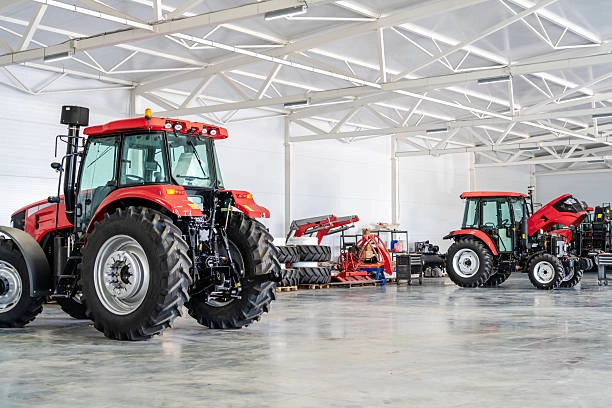
Air sneaking into hydraulic cylinders can spell trouble. It messes with how the system runs, leading to shaky performance and even safety risks. Think about it in heavy machines like excavators or farm tractors. These setups rely on steady pressure, and air bubbles throw everything off.
Performance drops when air compresses instead of the fluid doing its job. Stability suffers too, with movements becoming unpredictable. Safety comes into play because a jerky cylinder might cause accidents on a job site.
Common spots for this issue show up in industrial presses, agricultural loaders, and construction equipment. Machines work hard in these fields, and air contamination hits often.
In field cases analyzed by Shining Hydraulic engineers, air issues cropped up most in high-use environments. Those insights point to real-world fixes, drawn from hands-on reviews.
How Air Enters a Hydraulic Cylinder
Air finds ways in through various paths. Spotting them early helps keep systems smooth.
Through Inadequate Fluid Levels
Low fluid levels are a big culprit. When oil runs short, the pump pulls in air along with what’s left. This happens fast in busy operations.
Causes of hydraulic air contamination tie right back to this. Check reservoirs often, especially after long shifts. It’s easy to overlook, but skipping it invites problems.
Through Worn Seals or Rod Wear
Seals wear out over time. Rods get scratched or pitted from dirt and debris. Air slips past these weak spots.
Damage builds up in tough conditions, like dusty construction sites. Regular checks catch it before it worsens. Sometimes, a small nick lets in more air than expected.
During Cylinder Installation or Maintenance
New installs or repairs can trap air. If filling skips proper steps, pockets form inside.
Prime the system carefully. Rushing through leaves bubbles behind. It’s a common slip-up in hurried workshops.
Through Cavitation and Turbulence
High loads create cavitation. That’s when fluid vaporizes into bubbles under pressure drops. Turbulence stirs up more air in the mix.
In extreme cycles, this aeration ramps up. Heavy duty cylinders from Shining Hydraulic often include enhanced sealing options that reduce air ingress during those tough spots. Features like that come from smart design choices.
Symptoms of Air Contamination in Hydraulic Cylinders
Spotting air early saves headaches. Symptoms show up in how the cylinder acts.
Spongy or Jerky Cylinder Movement
Movements feel soft or jumpy. The rod hesitates or bounces. It’s like driving on a bumpy road. This sponginess comes from air compressing unevenly. Watch for it in lifting tasks.
Reduced Lifting or Pushing Force
Power fades. The cylinder struggles with loads it once handled easy. Air takes up space meant for fluid. Output drops, and jobs take longer.
Increased Noise or Vibration
Noises get louder. Rattles or whines appear during operation. Vibrations shake the whole setup. It’s a telltale sign something’s off inside.
Overheating or Foamy Hydraulic Fluid
Heat builds up faster. Fluid turns foamy in the reservoir. Symptoms of air in hydraulic system include this foam. Bubbles mean aeration, and it cycles back to more issues.
Overheating wears parts quicker too. Keep an eye on temperatures during runs.
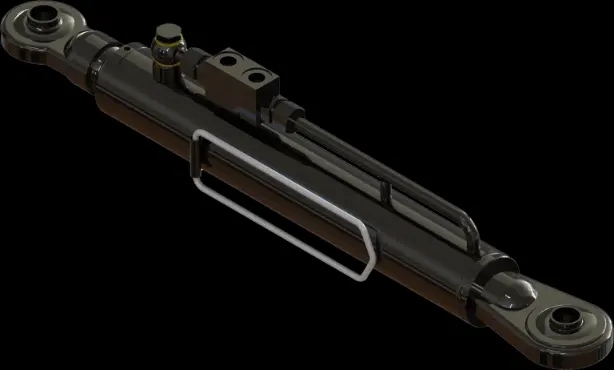
How to Bleed Hydraulic Cylinder (Step-by-Step)
Bleeding removes trapped air. Follow steps to get it right.
Safety Preparation and Required Tools
Start with safety. Wear gloves, goggles, and sturdy boots. Shut down the machine first.
Gather tools: bleeding kits, wrenches, rags. Hydraulic cylinder bleeding process needs these basics.
Clear the area. Spills happen, so prep for cleanup.
Manual Bleeding Method
Locate bleed ports. They’re usually at the cylinder’s high points. Open the valve slowly. Let air escape with some fluid. Close it when steady oil flows. Repeat if needed. Cycle the cylinder a few times between bleeds.
It’s straightforward, but patience pays off. Rushing might leave air behind.
Gravity Bleeding Technique
For single-acting cylinders, gravity works well. Position the cylinder upright. Open the port at the top. Let gravity pull fluid in and air out. Fill from the bottom if possible. This method suits simpler setups.
Automatic Bleed Valves or Integrated Bleeding Designs
Advanced systems make it easier. Automatic valves vent air on their own. Some hydraulic solutions, like those designed by Shining Hydraulic, use simplified bleed ports that reduce maintenance time. Designs focus on quick access.
These cut down on manual work. Handy in busy fleets.
Post-Bleed Testing and Verification
Test after bleeding. Run the cylinder through full strokes. Check for smooth motion. Pressure should hold steady. Listen for noises. If issues linger, bleed again or inspect deeper.
Verification ensures the fix sticks. Don’t skip this step.
Preventing Air from Entering Hydraulic Cylinders
Prevention beats fixes every time. Simple habits keep air out.
Maintain Proper Fluid Levels
Top off reservoirs regularly. Use sight glasses or dipsticks. Low levels invite air. Schedule checks in daily routines.
Inspect Seals, Rods, and Connections Regularly
Look over seals for cracks. Rods need smooth surfaces. Tighten connections. Loose fittings let air sneak in. Catching wear early avoids big repairs. It’s worth the time.
Use the Correct Hydraulic Oil
Pick oils that resist foaming. Wrong types aerate easier. Match viscosity to the machine’s specs. This cuts down on turbulence.
Sometimes folks switch oils without thinking, and problems start. Stick to recommendations.
Implement Routine System Checks
Set up schedules for full inspections. Hydraulic cylinder maintenance tips include logging findings. Flush systems periodically. Clean filters too. These checks spot issues before they grow. A little effort goes far.
When to Seek Professional Support
Not all air problems fix easy at home. Severe cases need pros. If contamination persists after bleeding, look deeper. Internal damage might be the cause.
Cavitation signs, like pitted surfaces, call for expert eyes. Don’t ignore ongoing noise or heat. Professional teams handle complex setups. They use tools for precise diagnostics.
Situations with multiple cylinders or integrated systems benefit from outside help. Safety first here.
Conclusion
Air in hydraulic cylinders disrupts everything from performance to longevity. Spotting how it enters and bleeding it out keeps machines reliable. Prevention through checks and proper care avoids repeats. Systems last longer that way.
Whether using standard or heavy-duty cylinders like those from Shining Hydraulic, routine maintenance helps avoid air-related failures. It all ties back to consistent habits.
Stay vigilant. Small steps ensure smooth operations day in, day out.
FAQ: Air in Hydraulic Cylinders
Q: How do you bleed a hydraulic cylinder without a bleeder valve?
Use the gravity method for single-acting cylinders by positioning it upright and letting air rise out through the port while filling fluid from the bottom. For double-acting, cycle the cylinder fully while loosening fittings at high points to release trapped air, then retighten.
Q: Can a hydraulic cylinder get air locked?
Yes. Air pockets compress instead of fluid, locking up smooth movement and causing erratic operation.
Q: What are the symptoms of air in a hydraulic cylinder?
Spongy or jerky movements, reduced force, louder noise or vibrations, overheating, and foamy fluid in the reservoir.
Q: Do you have to bleed air out of a hydraulic system?
Yes, to restore proper pressure and performance. Skipping it leads to inefficiency and potential damage.