The Role of Hydraulic Cylinders in Heavy Machinery Efficiency
Key Functions in Construction Equipment Operations
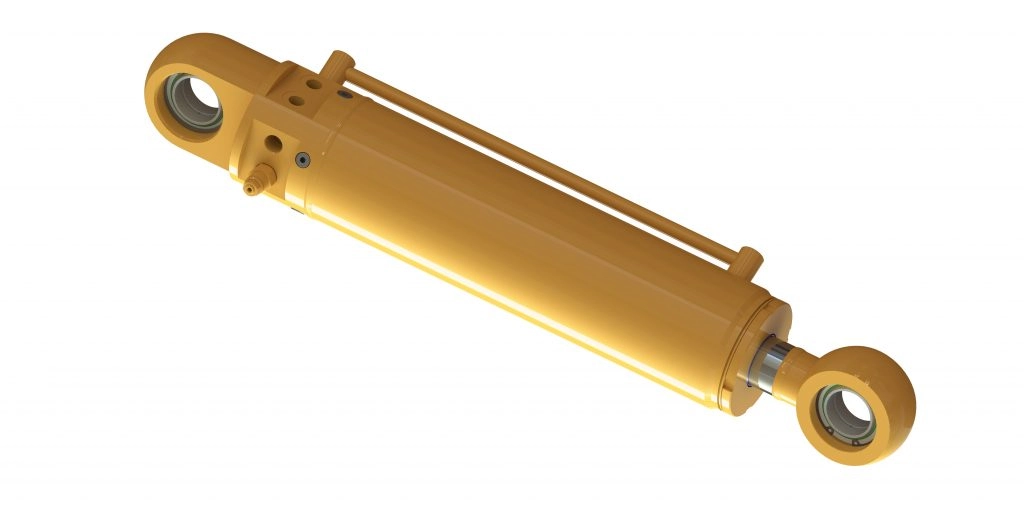
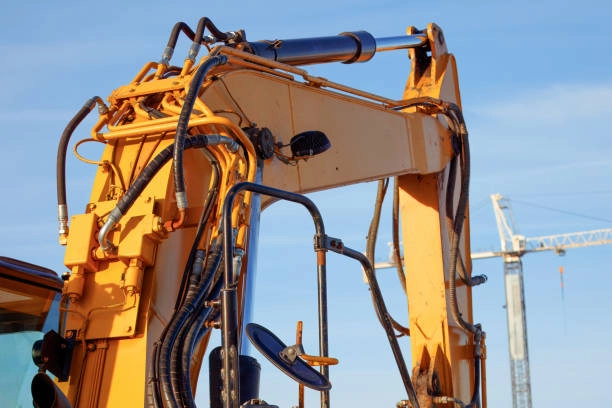
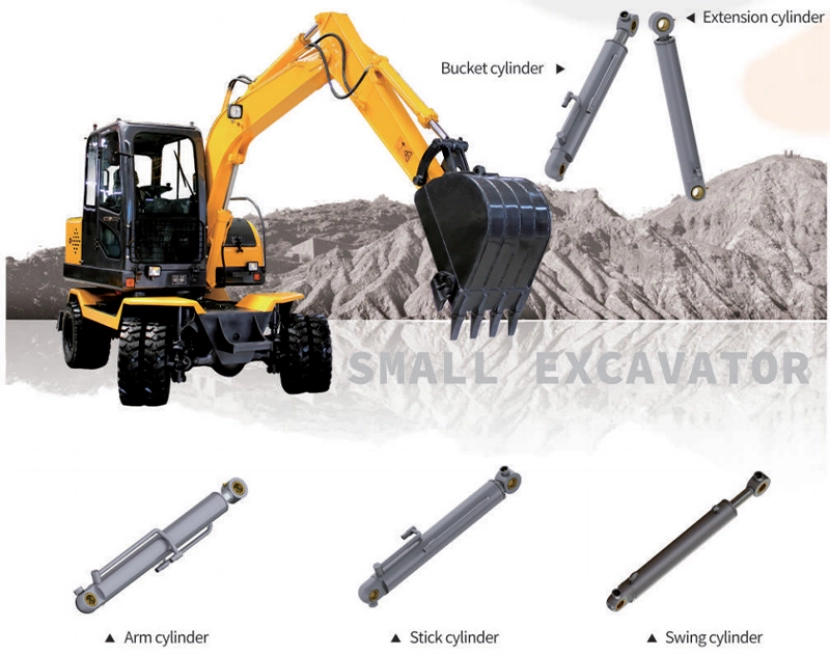
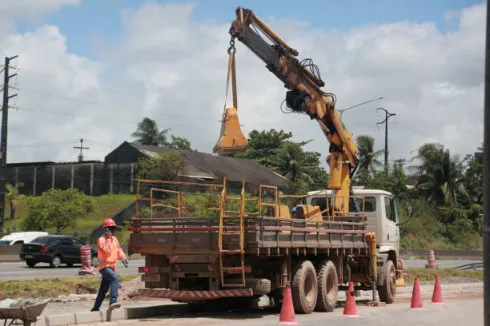
Hydraulic cylinders act as the power source in most heavy equipment hydraulic systems. Their main job is to turn hydraulic energy into straight line mechanical power. This lets machines push, pull, lift, and lower big loads with care. For example, an excavator arm stretches out or a dozer blade changes its tilt. These actions all come from construction cylinders.
In tasks like moving earth and lifting items, cylinders help operators manage movements with exactness. They play a big part in running crane booms, backhoe buckets, and wheel loader arms. So, it’s not just about raising things. Hydraulic cylinders also aid steady work and careful motion. This matters a lot for safety and speed on the job site.
Heavy machinery faces repeated, tough load cycles. This covers nonstop lifting, lowering, digging, and pressing down. It happens day after day. Without strong hydraulic cylinders built for long use, these jobs would damage machines fast.
Impact on Equipment Performance and Uptime
The speed of heavy machinery ties right to how well its hydraulic cylinders work. Quicker cylinder reactions affect cycle time directly. Cycle time means how fast a job like loading or lifting gets done. And that leads to more output each hour.
Cylinders that get good care cut down on surprise stops. Seals, rods, and inside parts in bad shape can cause drips or breakdowns. Then, equipment must leave the site for fixes. Top notch hydraulic cylinders, along with regular check ups, prevent these halts.
On a work site where time counts most, dependable cylinder action keeps project plans on track. Contractors can set up work better when gear runs without hitches.
Types of Hydraulic Cylinders Used in Heavy Machinery
Single Acting and Double Acting Cylinders
Single acting cylinders use hydraulic push to move one way. This is often for raising or shoving. The way back depends on gravity or a spring. They stay simple and cheap for jobs needing motion in just one path.
Double acting cylinders give hydraulic push both ways. They are key for machines that require exact control in several moves. Think steering parts or jointed arms. Their flexibility makes them the main pick for trickier construction gear.
Telescopic Hydraulic Cylinders for Extended Reach
Telescopic cylinders have several stacked stages that stretch out one by one. This gives longer travel from a small frame. The setup works great in dump trucks. There, the bed must lift high to drop off stuff smoothly.
You see them in cranes and lift platforms too. Extended reach is needed, but tight spaces limit cylinder size.
Tie Rod vs. Welded Hydraulic Cylinders
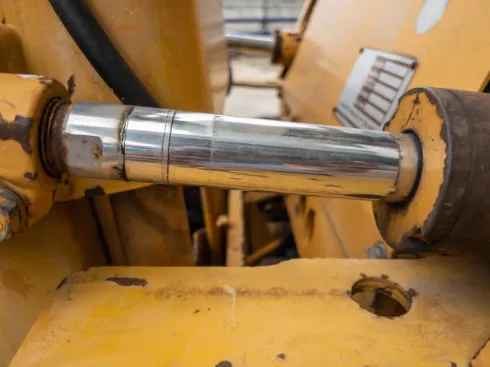
Tie rod cylinders put together with outside rods that hold end caps tight. They are easy to fix and often used in factory settings. There, upkeep happens often.
Welded cylinders look smoother and handle shakes and bumps better. They fit mobile gear like excavators and loaders in rough spots.
Customized Solutions for Specialized Applications
Some gear needs more than basic ready made parts. Shining Hydraulic creates custom setups to fit exact load and travel needs. This could mean squeezing into a small area or giving strong push with short stretch. Such made to order options boost system fit and output.
Engineers often build custom construction cylinders to match the machine’s movements just right. This ensures solid build and good speed.
Enhancing Jobsite Efficiency Through Cylinder Design
How Cylinder Selection Affects Machine Capabilities
Picking the correct cylinder goes beyond just its size. It’s about fitting the machine’s aims. The bore size sets the force it puts out. Stroke length sets how far the part can go.
Too small cylinders may not give enough power. Too big ones can strain other hydraulic parts. Right sizing keeps the whole setup in balance.
Minimizing Project Delays Through Reliable Hydraulics
Cylinder breakdowns rank high among reasons for gear stoppages. Drips from old seals or breaks in the shell can stop work out of nowhere. That’s why putting money into tough heavy equipment hydraulic cylinders from the start often saves cash later.
Across a whole fleet, uptime gets better when each unit runs steady. Stronger parts cut rental fees and fix up troubles from failures.
The Relationship Between Cylinder Life Expectancy and Maintenance Practices
Like other machine parts, hydraulic cylinders wear at spots like seals, rods, and inside supports. Routine checks spot early problems. These include scratches or dirty fluid.
Basic upkeep, such as greasing rods, swapping seals, and guarding against junk, stretches cylinder life a lot. It’s not only about dodging breaks. It’s about keeping machines at top shape through their working years.
Integration of Hydraulic Systems Across Construction Machinery
Coordination with Pumps, Valves, and Control Units
A hydraulic cylinder works with others. It needs smooth ties to pumps, valves, accumulators, and electronic controls. Flow speeds must match valve timing for even motion under changing loads.
Shining Hydraulic helps OEMs with full hydraulic packages for better system flow. This covers advice on design to make sure all parts team up well in the larger setup.
Supporting Diverse Applications in Earthmoving, Lifting, and Drilling Equipment
From track loaders to pile drivers, various machines call for different cylinder kinds and setups. Telescopic types fit dump jobs. Double acting welded ones do well in turning drill rigs.
Flexible designs let hydraulic systems grow across machine types without full new part buys. This ease helps OEMs smooth their making lines. At the same time, it lets them offer tweaks for certain outputs.
Trends in Hydraulic Technology for Construction Equipment
Advancements in Materials and Sealing Technologies
Fresh surface layers, like options to chrome, cut rubbing between rod and seals. They also fight rust better. This helps in outside spots with dust or wet.
Seal setups have grown too. Better rubber like materials handle higher squeezes and bigger heat shifts without bending or splitting.
Smart Monitoring of Cylinder Health Through Sensors
Built in sensors now watch things like piston spot, pressure jumps, and fluid heat. This info goes to upkeep systems that spot wear signs before trouble hits.
Live tracking lets fleet bosses plan fixes smarter.
FAQ
Q: What is the main function of hydraulic cylinders in construction equipment?
Hydraulic cylinders convert hydraulic energy into linear mechanical force, enabling precise pushing, pulling, lifting, and lowering of heavy loads.
Q: How do hydraulic cylinders impact efficiency in heavy machinery?
They reduce cycle times through quick responses, enhance productivity, and minimize downtime when properly maintained.
Q: What are the differences between single acting and double acting hydraulic cylinders?
Single acting cylinders apply force in one direction (often using gravity for return), while double acting provide powered control in both directions for greater precision.
Q: What types of hydraulic cylinders are commonly used in heavy equipment?
Common types include single acting, double acting, telescopic (for extended reach), tie rod (easy maintenance), and welded (durable for rough conditions).
Q: How can maintenance extend the life of hydraulic cylinders in construction machinery?
Regular inspections, seal replacements, rod lubrication, and contamination prevention help prevent failures and maintain peak performance.