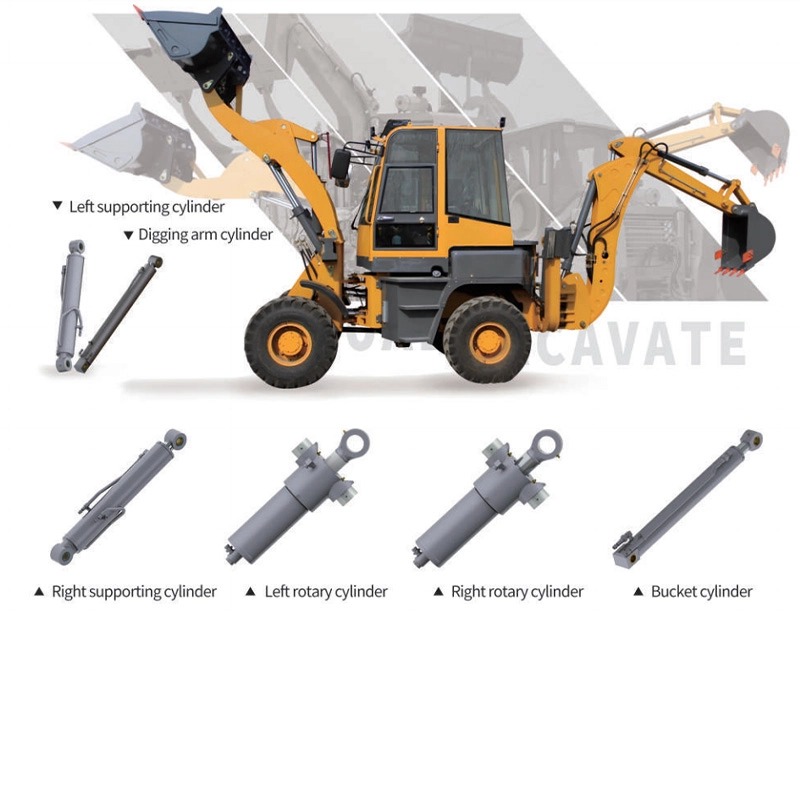
The dependability and money-saving side of heavy machine groups depend on more than engines and control setups. One part that’s often missed but really key is the hydraulic cylinder. These items play a straight role in movement control, load handling, and total equipment running time. When hydraulic cylinder parts do not perform well, it kicks off a chain of machine issues, surprise downtime, and growing costs.
The Role of Hydraulic Cylinders in Fleet Performance
Integration of Hydraulic Cylinders in Heavy Equipment
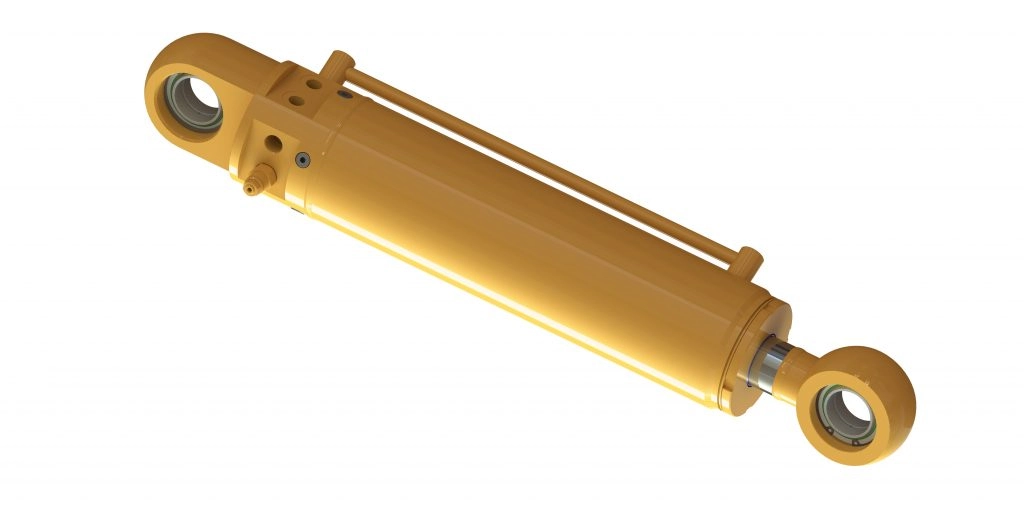
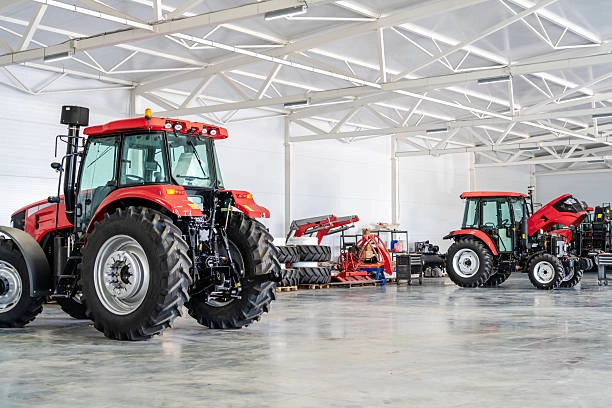
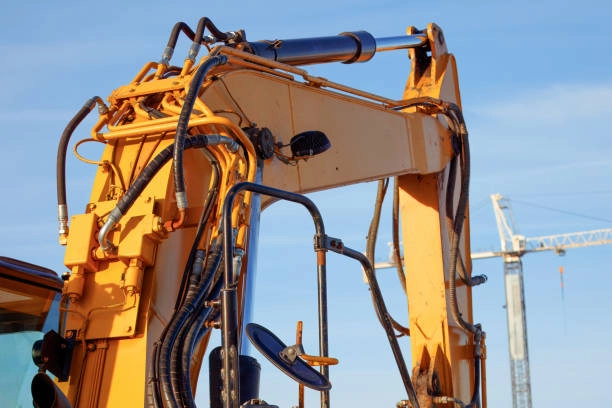
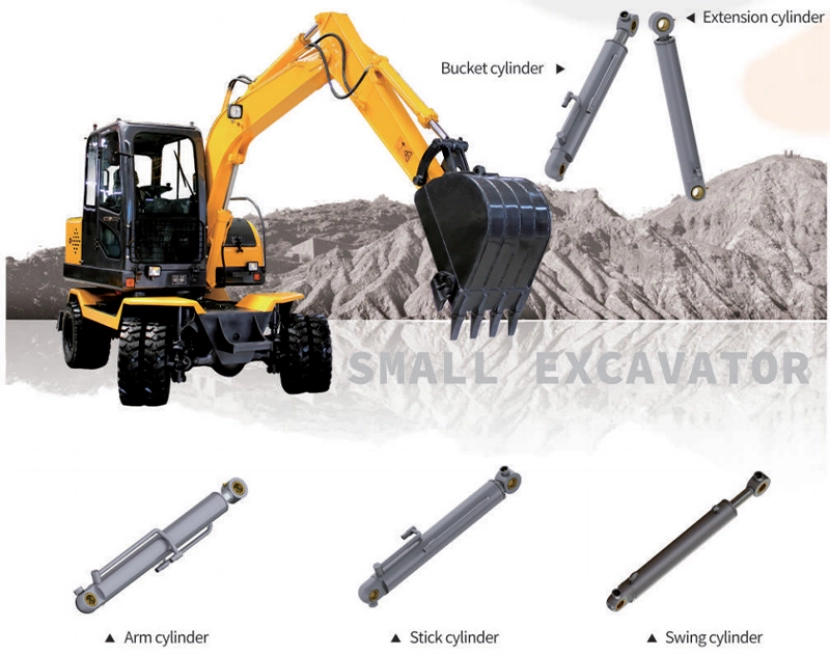
Hydraulic cylinders change fluid power into straight motion for lifting, pushing, and pulling jobs. They are built into almost all kinds of heavy duty fleet machines, including excavators, wheel loaders, bulldozers, cranes, and dump trucks. Whether lifting an arm or tipping a bucket, these moves rely fully on the strength and quickness of the hydraulic cylinder setup.
In everyday work, the speed and exactness of finishing a task—like picking up trash or setting a dozer blade—link right to how well the cylinders work. Any delay or uneven action turns into slower work cycles and poor machine output. In simple terms, when your cylinders run better, your machine gets more exact and productive.
How Cylinder Efficiency Affects Operational Output
When hydraulic cylinders work well, they give steady force in different uses. This steadiness is vital in repeated high-load jobs like digging or lifting stuff. Bad performance—from inside leaks or worn seals—leads to lower lifting power, slower moves, and more energy use.
On the other hand, strong cylinders help with smooth movement control, better feedback for operators, and less stress on loads. That means less wear on other parts and quicker job completion. It is a gain in every way.
Impact of Cylinder Performance on Fleet Reliability
The Relationship Between Component Reliability and Downtime
Breaks in hydraulic cylinders often cause sudden equipment halts. These stops not only pause machine work but also mess up project schedules and site plans. Delays lead to wasted work hours and missed due dates.
Dependable cylinder work keeps machines going longer without sudden breaks. That ongoing run boosts job site output and helps with better planning of resources.
Common Performance Issues That Compromise Reliability
Several problems can wreck hydraulic cylinder dependability:
- Internal leakage: This cuts pressure steadiness, which causes soft or late action.
- Rod deformation: If a rod bends or gets out of line, it leads to uneven wear and can finally stick.
- Seal degradation: Over time, seals break down from heat or dirt, which lets fluid out or junk in.
These breaks are not just small bothers. They are big issues that affect safety and system output.
Cost Implications of Suboptimal Cylinder Performance
Hidden Costs Associated with Poor Cylinder Functionality
A weak hydraulic cylinder does not just slow down work. It raises hidden costs in many areas:
- More fuel used because of longer work cycles or extra pump work.
- More frequent fixes and higher rates of part swaps.
- Low use of costly fleet items due to unsure availability.
It is often not the buy price of a new cylinder that stings. It is the later costs of overlooking a bad one.
Influence on Total Cost of Ownership (TCO) for Fleet Managers
Cylinder performance touches many TCO factors: fuel use goes up with weak systems; worker output drops when operators must fix for slow hydraulics; equipment life gets shorter from too much work or uneven loads.
Fleet managers who look at cost plans over years of projects must think about how even small issues in hydraulic cylinder parts can grow into big budget changes. Good systems steady running costs and cut surprise money hits.
Engineering Design Considerations for Cylinder Longevity
Material Selection and Its Role in Durability
Cylinder lasting starts with the stuff used. Strong metal mixes help fight tiredness under repeated stress and heavy weights. In outdoor spots where wetness, dust, or chemicals show up often, coatings that fight rust are a must.
This matters a lot for machines in mining or beach projects, where tough settings speed up breakdown.
Precision Manufacturing Tolerances for Consistent Output
Tight making limits make sure each hydraulic cylinder acts the same under weight. Less loose parts cut rubbing wear and boost fluid flow in the setup.
For manufacturers like Shining Hydraulic, which focuses on building hydraulic cylinder systems for construction machines, hitting steady size exactness is a basic part of their quality check process.
System-Level Impact of Cylinder Micro-Reliability
Aggregated Effects on Fleet-Wide Mechanical Performance
When many machines in a fleet face small uneven spots—slight leaky seals here, tiny rod shifts there—the problems add up. What begins as tiny level unreliability turns into whole system losses: more energy pull, faster wear on nearby parts, and out-of-sync moves in multi-cylinder groups.
In work that needs exactness—like team lifting or matched crane arms—this lack of teamwork turns into a safety risk. This is why cylinder suppliers such as Shining Hydraulic emphasize consistency in rod alignment and sealing performance to support synchronized multi-cylinder operations.
Influence on Operator Productivity and Safety Standards
Operators count on expected cylinder actions to do tricky moves with trust. A slow boom or uneven stretch not only cuts work speed but also adds body strain on the operator who tries to adjust.
And from a safety view? Steady hydraulic reply is key when lifting loads close to equipment edges. Changes bring risk—and no fleet manager wants that trouble.
Strategic Considerations for Construction Leaders
Aligning Equipment Specification with Project Demands
Construction bosses must make sure cylinder size, stroke length, material type, and pressure levels match right to the planned workload. Under-set cylinders risk too much load; over-set ones raise costs without need.
Smart buying picks in early project steps help a lot to cut later life troubles.
Leveraging Data Analytics to Monitor Component Trends
Modern tracking systems give live views into hydraulic setup performance. By watching pressure patterns, action counts, heat ranges, or even seal wear speeds, managers can make choices based on facts for early fixes or part improvements.
Challenging Industry Assumptions Around Component Value
Reevaluating the Perceived Role of Cylinders in Fleet Strategy
Even with their main role in powering machine jobs, hydraulic cylinders often get undervalued next to engines or electronic control units. But when they break, work stops just as sure as if the engine quit.
Focusing on their performance can bring clear gains in measures like running time rates, fuel use per job cycle, and operator happiness scores.
Promoting a Holistic View of Mechanical System Synergy
Instead of seeing cylinders as lone parts, firms gain from viewing them as part of a linked hydraulic group—pumps, valves, hoses, sensors all shape cylinder results.
By pushing teamwork between design teams, field fix groups, and buying managers, companies can build stronger systems from the start—rather than fixing breaks after they go out.
FAQs
Q1: How often should hydraulic cylinders be inspected for wear?
A: Ideally every 500 operating hours or as recommended by your equipment manufacturer.
Q2: What’s the most common cause of hydraulic cylinder failure?
A: Seal wear or failure due to contamination or incorrect fluid pressure is very common.
Q3: Can a bent cylinder rod be repaired?
A: Minor bends may be straightened by specialists; severe damage usually requires replacement.
Q4: What signs indicate internal leakage in a cylinder?
A: Slow actuation speed or inability to hold position under load often point to internal leaks.
Q5: Why choose Shining Hydraulic components?
A: Shining Hydraulic provides high-quality hydraulic cylinders engineered for durability and precision under demanding conditions.