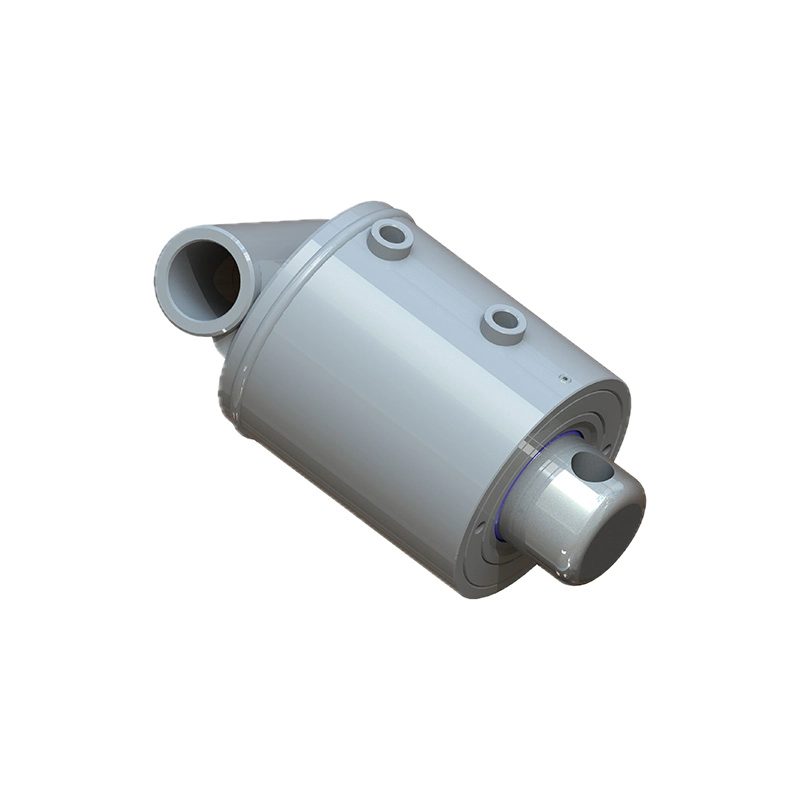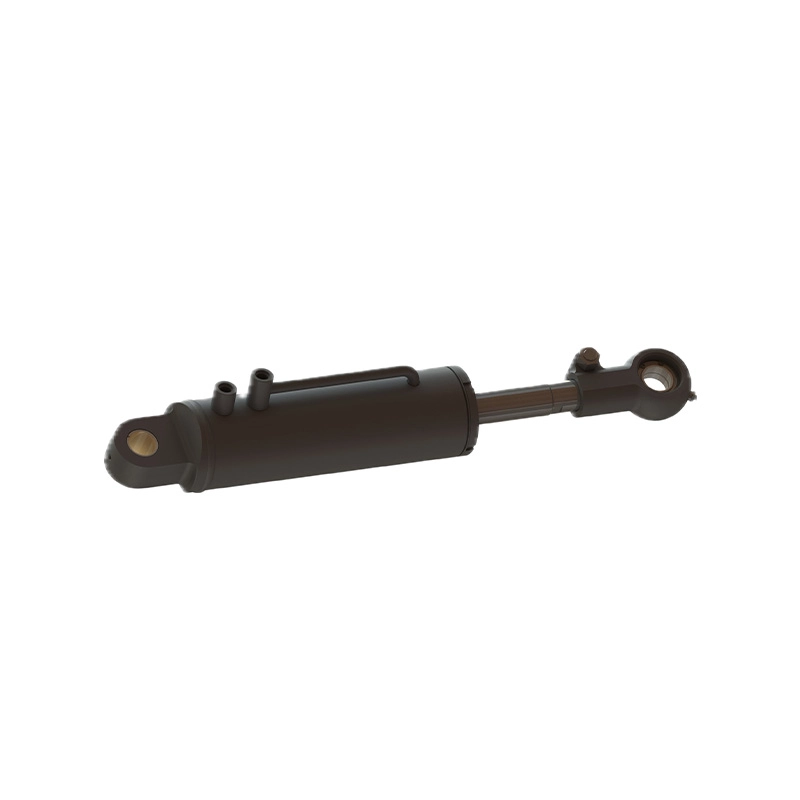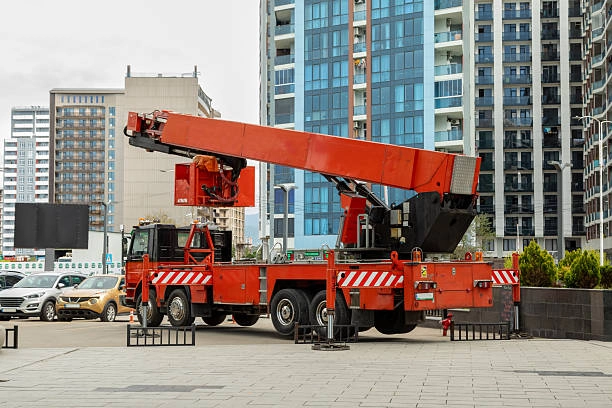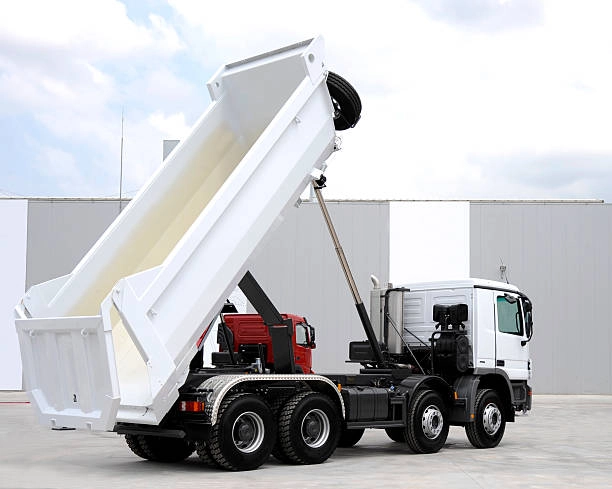
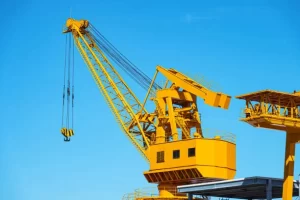
Hydraulic cylinders are the quiet heroes inside every modern construction crane. Whether it’s a tall crawler crane on a bridge job or a small truck-mounted unit moving through narrow city streets, these parts turn pressurized fluid into strong mechanical action. That’s how cranes can lift, turn, and place tons of material with exact care—day after day.
Core Functions of Hydraulic Cylinders in Crane Operations
Hydraulic cylinders act as the muscle behind every big movement in crane machines. Their main job is to allow controlled straight-line motion. This lets cranes raise and lower heavy loads in a safe way. And they do it well, changing for height and reach based on the work needed.
Beyond up-and-down movement, hydraulic cylinders change hydraulic energy into mechanical push. This push isn’t just strong—it’s accurate. Operators can adjust how fast things extend and retract. They can stop in the middle of a stroke. Or they can link up several cylinders for team actions.
They also help with movement in many directions. For instance, bending booms depend on cylinders at hinge spots to shift angles. This helps reach spots that stiff setups couldn’t touch.
Key Advantages of Hydraulic Power in Crane Systems
One of the best perks of using hydraulic power in crane setups is the strength-to-size balance. A fairly small hydraulic cylinder can make many tons of force. So it works great in tight spots without losing power.
Hydraulic action also gives smooth, step-by-step control. This matters a lot in building sites where even a few inches can decide if things go right or stay safe during load setup.
Fewer moving bits compared to mechanical links mean hydraulic systems are usually more dependable and simpler to fix. They also make designs easier. This cuts down on total machine complexity and spots where things might break.
Types of Hydraulic Cylinders Used in Construction Cranes
Single-Acting vs Double-Acting Hydraulic Cylinders
Single-acting cylinders work in one direction with pressurized fluid. They often use gravity or outside weight to pull back. They are basic and good for tasks like outrigger setup where lifting is the key job.
Double-acting cylinders, on the other hand, use hydraulic pressure for both pushing out and pulling in. This two-way handle is perfect for boom bending and turning tasks where force in both ways is needed for steadiness and exactness.
Telescopic Hydraulic Cylinders for Extended Reach
Telescopic cylinders consist of nested tubes that stretch out one after another. These are often used in boom stretch systems where a long push is required but space limits call for tight storage. Mobile cranes, especially those on trucks or trailers, gain a lot from this setup.
Differential Cylinders for Speed and Efficiency
Differential cylinders have uneven piston areas on each side of the rod. This setup lets them move faster during the pull-back stroke. So it boosts total speed in repeated lifting jobs like handling concrete buckets or placing steel beams.
Applications of Hydraulic Cylinders Across Crane Components
Boom Arm Lifting and Extension Systems
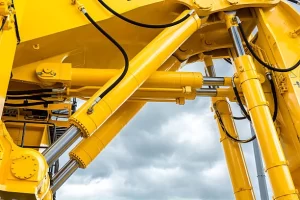
Cylinders lift and drop the boom arm by changing its height angle from the base. Extension cylinders then let the boom reach further out. This increases the crane’s working range. Together, they keep load balance during shifts. And that stops strain on the structure.
Slewing Mechanisms for Rotational Control
Hydraulic slewing drives allow full-circle turning of the crane’s upper part. Controlled shifts make sure loads get placed right around a work area—key when working in tight city spots or close to barriers.
Outriggers and Stabilizer Deployment Systems
Outriggers stretch out to the sides to widen the crane’s base. Hydraulic cylinders for cranes make sure they hit firm ground and push down enough to hold the crane steady. In many setups, linked control ensures even setup on rough land.
Winch Drum Tensioning and Load Hoisting Support
While winches mainly deal with up-and-down lifting through cables, built-in hydraulic cylinders aid in controlling drum tightness. They also give extra lift help when facing tricky or moving loads.
Integration with Mobile and Truck-Mounted Cranes
Compact Cylinder Design for Vehicle-Mounted Units
Space is tight in mobile cranes. Hydraulic cylinders are often made custom to fit into small areas while keeping lift power. Using light alloys helps cut the total vehicle weight—important for road rules.
Load Distribution and Chassis Stabilization Functions
When a truck-mounted crane picks up a load, weight moves across the frame. Hydraulic systems handle this by tweaking stabilizers or support parts right away to keep balance and safety.
Shining Hydraulic specializes in manufacturing hydraulic cylinders tailored to such demanding use-cases, offering both standard and custom solutions that integrate seamlessly with mobile crane platforms.
Customization and Engineering Considerations in Cylinder Design
Material Selection Based on Load Requirements and Environment
Cylinder parts must handle high stress and tough settings. Strong steel or rust-proof alloys are often picked for barrels and rods. Seals need to stand up to pressure jumps, extreme heat or cold, and contact with dirt or chemicals found on work sites.
Stroke Length, Bore Size, and Mounting Configuration Options
Picking the right stroke length makes sure of full movement without going over space limits. Bore size impacts force output straight away. At the same time, mounting setups—like trunnion or clevis mounts—affect lineup, load paths, and how easy it is to maintain.
Shining Hydraulic works closely with OEMs in the construction equipment sector to engineer cylinders that match unique geometric constraints while meeting rigorous performance standards.
Maintenance Practices to Maximize Cylinder Performance in Cranes
Common Wear Points in Crane Hydraulic Cylinders
Rod seals tend to leak from constant motion and exposure. Piston heads might get scratches from dirty fluid. Mounting pins can wear out over time from repeated loads. Regular looks help spot problems early before they get worse.
Preventative Measures for Long-Term System Reliability
Planned upkeep routines should include:
- Checking fluid levels and replacing fluid at recommended intervals
- Inspecting seals and replacing them proactively
- Performing system pressure tests to detect internal leaks
Using clean hydraulic fluid greatly cuts wear inside cylinders by reducing scrapes from bits.
Innovations Advancing Precision in Crane Hydraulics
Integration with Electronic Control Systems (ECUs)
Modern cranes often have ECUs that read sensor info from hydraulic parts in real time. This lets operators do tiny changes or start auto features like self-leveling outriggers or load swing control.
Smart Cylinder Technologies Enhancing Operational Feedback
Smart cylinders include sensors that track stroke spot, inside pressure, and heat. This info goes into systems that predict upkeep needs. So teams can plan fixes before breaks happen—and that cuts downtime a lot.
FAQ
Q1: What type of hydraulic cylinder is most common in crane booms?
A: Double-acting telescopic cylinders are frequently used due to their ability to extend long distances with precise control.
Q2: Why are telescopic cylinders preferred for mobile cranes?
A: They provide long strokes while fitting into compact spaces, which is perfect for mobile setups.
Q3: How often should crane hydraulic systems be inspected?
A: Visual checks should be done daily; full inspections including pressure testing every 250–500 operational hours depending on usage intensity.
Q4: Can smart cylinders improve safety?
A: Yes, by providing real-time feedback on position and pressure, they help prevent overloads and misalignments.
Q5: What makes Shining Hydraulic a reliable supplier?
A: They focus exclusively on hydraulic execution components and systems for machinery industries, ensuring quality through deep engineering expertise.