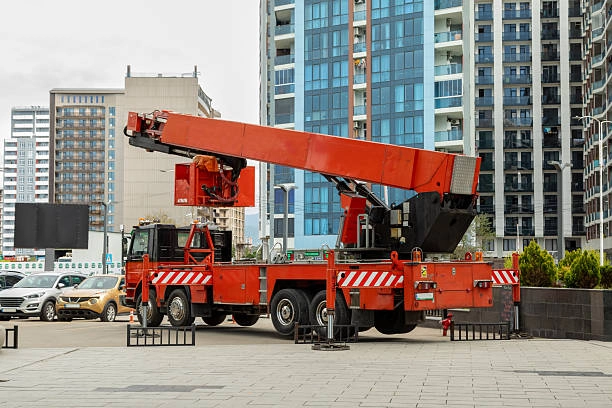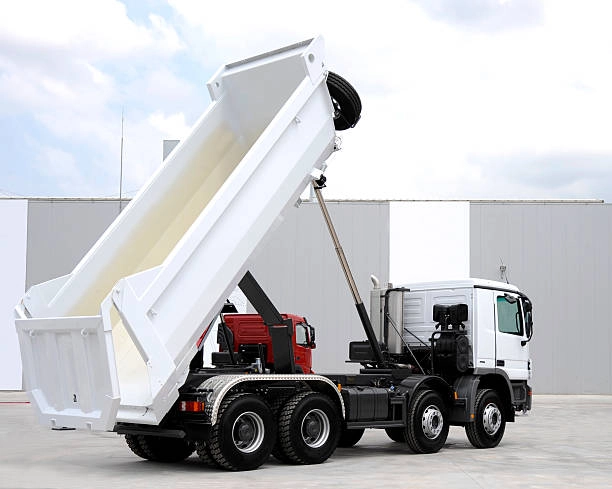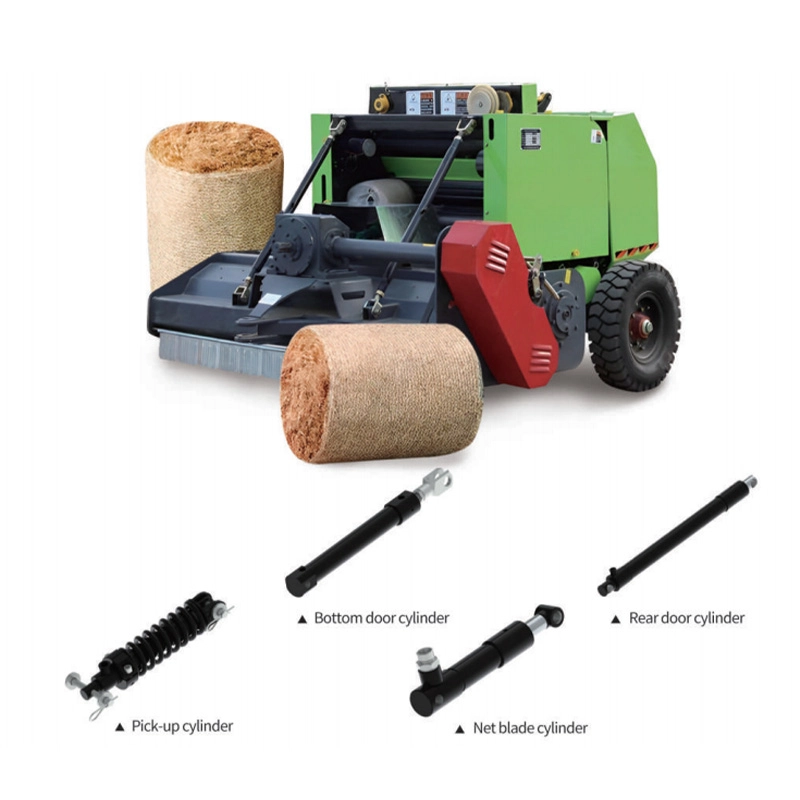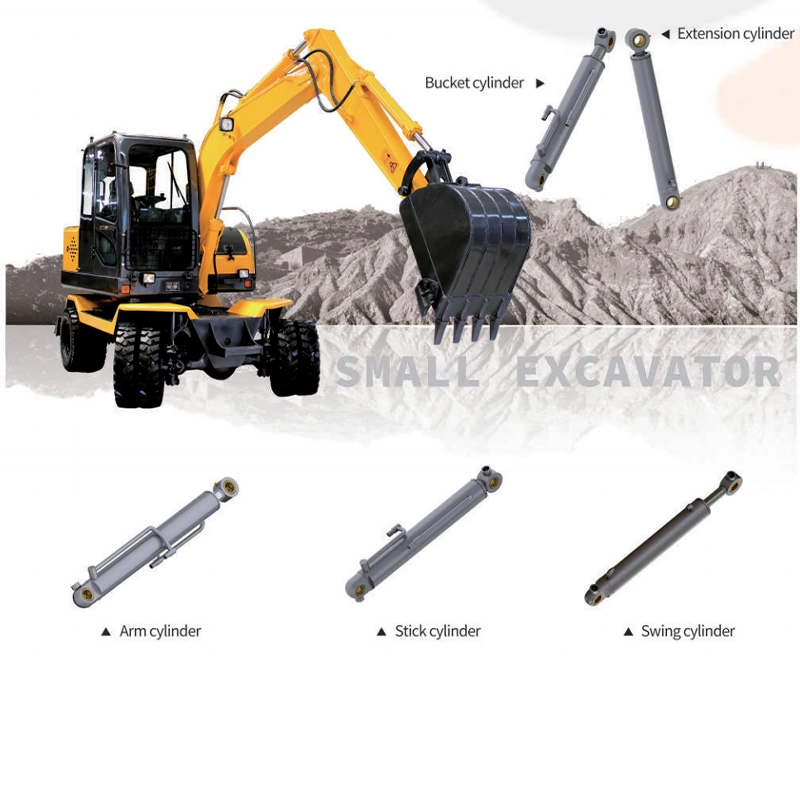
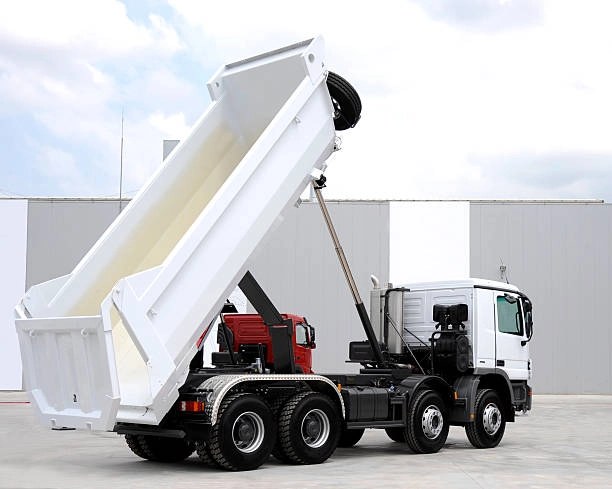
Car hauler trailers rely on hydraulic cylinders for their raising, angling, and steadying tasks. Picking the right cylinder makes sure of safe work, steady results, and lasting dependability. The top way is to fit the cylinder’s details to the trailer’s job needs and setting.
Understanding Hydraulic Cylinders in Car Hauler Trailers
Platform lifting and lowering
Hydraulic cylinders give the push needed to lift and drop the trailer platform without trouble. In a usual hydraulic dump trailer or hydraulic tilt trailer, these cylinders turn hydraulic force into straight-line action. This makes it possible to raise heavy stuff with care. The action has to be even to stop uneven raising that might harm the build or risk safety.
Tilt-bed operation
For tilt-bed trailers, hydraulic cylinders handle the bed’s slant during putting on and taking off. The aim is to get a managed slant that lets vehicles roll on or off without quick falls or shakes. Cylinders used here often have double-acting setups for managed push out and pull back.
Stabilizing and leveling
Besides raising, hydraulic cylinders steady the trailer when stopped or during putting on. Leveling cylinders fix for bumpy ground, making sure weight spread stays even. This steadiness is key for stopping frame strain or load moves during work.
Key Performance Requirements for Hydraulic Cylinders
High load-bearing capacity
A car hauler’s cylinder must deal with big loads over and over. Workers figure this out based on top vehicle weights plus extra room for safety. A dump trailer hydraulic cylinder usually needs higher force levels due to tougher raising rounds.
| Specification | Typical Range |
| Working Pressure | 1800–3000 psi |
| Bore Diameter | 2–6 inches |
| Stroke Length | 12–60 inches |
Smooth and controlled movement
Exact handling is vital for safe putting on tasks. The inside finish of the cylinder tube affects how evenly the piston shifts under different forces. Any odd spot can lead to shaky action or wear on seals over time.
Resistance to corrosion and environmental damage
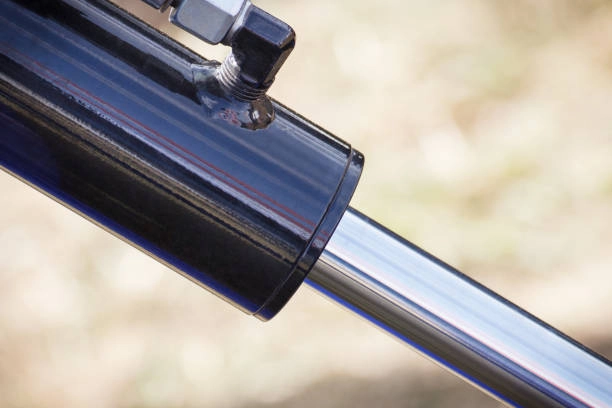
Trailers often run outside, facing rain, dirt, and road salt. Cylinders built from strong steel with chrome-plated rods fight rust better than plain materials. Extra covers help stretch use time in tough spots.
Long cycle life
Regular up and down rounds call for solid build. Stuff like hardened rods and smooth tubes cut down on wear stress. This helps keep up results over many rounds.
Reliable sealing performance
Seal strength decides how well a cylinder holds force without drips. Weak sealing causes less raising power or odd action. Good seals also block dirt from the fluid setup.
Choosing the Correct Hydraulic Cylinder for Your Car Hauler Trailer
Determine lifting load requirements
Begin by figuring the full load: vehicle weight plus platform bulk. Adding a bit more gives a safety gap against too much weight.
Select appropriate bore size and rod diameter
The bore size sets output push; bigger bores make more lift but need more fluid amount. Rod width affects steadiness—too thin raises bend risk under heavy stuff.
Confirm stroke length
Stroke sets how far the platform can shift up or slant side to side. It should match your trailer’s layout shape; too short cuts range, too long wastes room or adds price.
Choose mounting type
Usual mounts include clevis, trunnion, and flange kinds. The right pick depends on room limits and lineup with turn spots on the trailer frame.
Consider operating environment
If your trailer runs in beach areas or cold places, pick materials that fight rust or cold cracking. For lots of outside use, covers around rod ends help stop junk from getting in.
Evaluate maintenance requirements
Ease of upkeep counts for group runners. Cylinders with seals you can swap and easy fittings cut down stop time during fixes.
Benefits of Custom Hydraulic Cylinders for Trailers
- Tailored design for specific trailer structures
- Enhanced durability with heavy-duty construction
- Improved performance with durable surface treatments
Custom cylinders let workers tweak sizes and mount setups just right for each trailer type. Heavy-duty makes stretch working life even in hard jobs like business car movers.
Shining Hydraulic develops custom solutions matching these needs across various mechanical equipment sectors. As a manufacturer focusing on hydraulic cylinders and complete hydraulic systems, it provides key actuating components that integrate seamlessly into modern trailer designs without compromising reliability.
Why Shining Hydraulic Is a Trusted Supplier
- Custom design capabilities for varied needs
- Heavy-duty construction ensures longevity
- Excellent seal reliability for stable performance
With years of experience serving machinery industries worldwide, Shining Hydraulic emphasizes precision engineering and material quality in every production stage. Its products are designed not only for standard applications but also customized setups such as hydraulic dump trailers requiring extra lifting torque or compact hydraulic tilt trailers where space efficiency is critical.
Reliable sealing systems ensure consistent performance even after extended use in harsh outdoor environments—a detail often overlooked until failure occurs in cheaper alternatives.
FAQs
Q: What type of hydraulic cylinder is best for a car hauler trailer?
A double-acting cylinder is commonly preferred because it allows controlled extension and retraction during both lift and lowering operations.
Q: How do I determine proper stroke length?
Measure the required platform travel distance from fully lowered to fully raised position; add a small margin for mechanical tolerance.
Q: Are chrome-plated rods necessary?
Yes, especially if your trailer operates outdoors frequently—chrome plating protects against rust and pitting damage from moisture exposure.
Q: How often should hydraulic seals be replaced?
Inspection every six months is advisable; replacement depends on wear signs such as fluid leakage or reduced motion smoothness.
Q: Can I retrofit an existing trailer with new custom cylinders?
Absolutely—custom manufacturers like Shining Hydraulic can design replacements compatible with existing mounts while improving overall durability.