Why Hydraulic Cylinder Health Matters So Much in Port Terminals
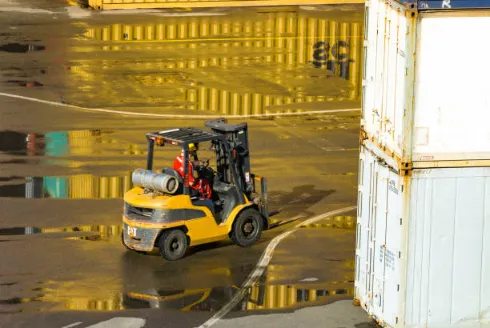
Port terminals buzz with activity around the clock. Lift, tilt, and steering cylinders keep things moving smoothly. They’re the backbone for efficiency and safety in port forklift hydraulic cylinders operations. Without them in top shape, the whole system grinds slower.
OEMs and cylinder specialists like Shining Hydraulic see the same pattern in busy ports worldwide: once hydraulic cylinders start to wear, downtime accelerates quickly if nothing is done.
It’s a common story from container handling forklift reliability issues that hit hard in downtime in busy port terminals.
How Forklift Hydraulic Cylinders Wear Out in Port Service
High Cycles, Heavy Loads and Pressure Spikes
Constant up and down cycles wear rods, barrels, and piston seals. Loads often hit or exceed ratings, stressing everything.
Sudden mast impacts, quick stops, or hard lifts spike pressures. That fatigues welds and mounts over time. It’s like a slow build-up to bigger forklift hydraulic cylinder wear causes.
Ports demand speed, so these spikes happen often. No wonder hydraulic cylinder problems in port forklifts crop up regularly.
Contaminated or Degraded Hydraulic Fluid
Dirty oil wrecks havoc. Water sneaks in, oxidation sets in, leading to corrosion and poor lubrication. Seals and sliding parts grind away faster.
Contaminated hydraulic fluid forklift issues? They’re a top culprit. Fluid breaks down, and the whole system suffers accelerated wear.
Salt, Moisture and Corrosion in Marine Environments
Salt air in ports eats at everything. Piston rods, chrome plating, and welds pit and rust easily under constant exposure. Seals get torn by rough rod surfaces. It’s a vicious cycle in these wet, outdoor setups.
Side Loads, Impacts and Misalignment
Tilt and steering cylinders bear side forces. Hitting cargo or racks? That ovalizes barrels and cracks welds. Misalignment creeps in from rough handling. Guide bushings wear out, letting problems spread.
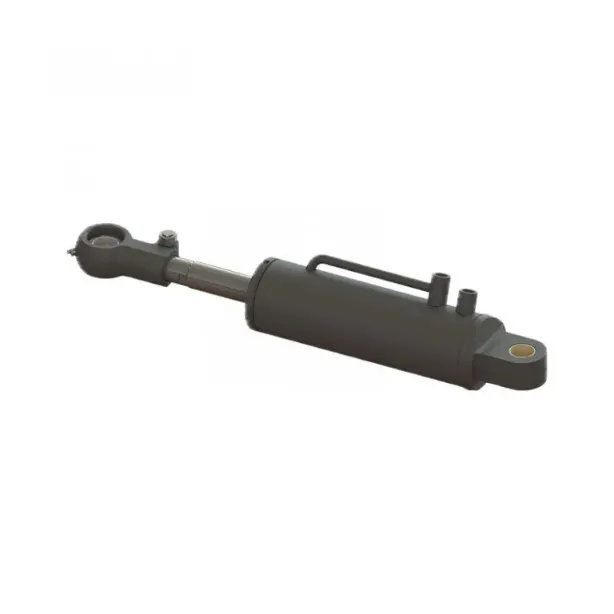
Five Ways Worn Cylinders Drive Up Downtime in Busy Port Terminals
Worn cylinders don’t fail quietly. They drag down operations in sneaky ways, piling on unplanned forklift downtime due to hydraulic cylinders.
1. Slow or Jerky Lifting Slows Vessel Turnaround: Jerky lifting due to worn lift cylinders frustrates crews. Ships wait longer, costs climb.
2. Mast Drift and Lost Load Control Trigger Safety Stops: Forklift mast drifting hydraulic cylinder problems. Safety protocols kick in, sidelining trucks. It’s downtime that could have been avoided.
3. Oil Leaks Create Cleanup Time and Environmental Risk: Forklift hydraulic cylinder oil leak downtime adds up.
4.Collateral Damage to Hoses, Valves and Pumps: Worn cylinders shed metal bits into the fluid.
5. Unplanned Cylinder Failures Disrupt Yard Planning: Schedules scramble, yards rearrange.
In field feedback from Shining Hydraulic OEM customers, unplanned cylinder failures were often linked back to months of visible leakage or drift that had been tolerated because the truck was ‘still lifting’.
Early Warning Signs of Worn Forklift Hydraulic Cylinders
Spot trouble early to dodge big downtime. Here’s a quick checklist for signs of worn forklift hydraulic cylinder:
- Oil weeping at the rod gland or running down the cylinder body
- Polished bands, scoring or rust spots on the rod
- Mast or carriage drifting when the lever is in neutral
- Slower lift/tilt speeds at normal engine RPM
- Abnormal noises, vibration or “kick” at the end of stroke
How to tell if a forklift lift cylinder is failing? These clues shout it out. Catch them during routine walks.
Sometimes, a faint hiss or odd shake gets dismissed in the noise of the yard. But ignoring them bites back later.
Engineering Choices That Reduce Cylinder-Related Downtime
Smart design cuts wear from the start. OEMs focus on builds that handle port punishment.
Rod and Tube Materials for Port and Marine Environments
Induction-hardened rods, thick chrome, or ceramic coats fight corrosion. Alloy steels with special platings hold up in salt. Heavy duty port forklift hydraulic cylinder design starts here. Materials matter in marine terminals.
Seal Packs and Wiper Systems Designed for Dirty, Wet Yards
High-performance seal combos, mud scrapers, double-lip rod seals block contaminants. Leaks drop, life extends.
Corrosion resistant forklift cylinder for marine terminals rely on these. They keep grit out in soggy yards.
Cushioning and Bearing Design to Handle Side Loads and Shock
Cushions soften ends, longer bearings take side hits. Less mast sway, fewer shocks to the body. OEM hydraulic cylinder engineering for ports builds in these guards. Impacts don’t wreck as fast.
Designing for Serviceability: Standardized Mounts and Seal Kits
Standard ears, pins, and kits speed fixes. Less hunt for parts, quicker back to work. In ports, time saved on swaps means more uptime.
When Shining Hydraulic works with OEM forklift builders, we often start with the duty cycle and salt exposure level of the target port before finalizing rod coatings, seal packs and cylinder mounting details.
Maintenance Practices That Protect OEM Cylinders from Premature Wear
Keep cylinders going longer with solid habits. Regular fluid samples and changes maintain cleanliness. Forklift hydraulic cylinder maintenance in ports? Preventive checks for leaks, rod marks, welds, and mount play.
Skip overloads and rough ops. Smooth handling pays off. How to extend hydraulic cylinder life on port forklifts? Team with OEMs on check schedules. It stretches life big time.
A quick fluid swap during slow shifts? It beats a full breakdown any day.
When to Rebuild and When to Replace Cylinders in a Port Fleet
Decide smart: seals aged, rod straight, barrel good? Rebuild with new seals or rod polish. Rod bent bad, welds cracked, barrel pitted deep? Swap for full OEM units.
Rebuild or replace forklift hydraulic cylinders? In high-value ports, delaying costs more in downtime and linked damage. Cost of forklift downtime vs cylinder replacement tips the scale toward timely swaps.
Ports can’t afford guesses. Weigh wear against ops impact.
Treat Cylinders as Critical Uptime Components
Worn cylinders seem like small glitches. But they build to performance drops and downtime risks. Ports must view hydraulic cylinders as key uptime parts. Prioritize them in design, buying, and care.
Improving port forklift uptime with better hydraulic cylinders? It starts with OEM and operator teamwork on specs and preventive steps. Cut downtime to a minimum.
FAQ
Q:How do worn forklift hydraulic cylinders cause downtime in port terminals?
Worn cylinders lead to slow or jerky lifting, mast drift, oil leaks and unplanned breakdowns, interrupting high-cycle port operations and lowering container-handling productivity.
Q:What are the most common signs of a worn forklift hydraulic cylinder?
Key warning signs include oil weeping at the rod, scoring or rust on the rod surface, reduced lift speed, drifting masts, abnormal noises and increased hydraulic oil consumption.
Q:Why do forklift hydraulic cylinders wear faster in port and marine environments?
Port forklifts face heavy loads, high duty cycles, salt exposure and dirty working conditions, which accelerate corrosion, seal wear, rod pitting and internal leakage.
Q:Can hydraulic cylinder wear lead to damage in other forklift components?
Yes. Metal particles and contaminated oil from a worn cylinder can damage valves, hoses and pumps, turning a single-cylinder issue into a full hydraulic system failure.
Q:How can OEM-grade hydraulic cylinder design reduce downtime for port forklifts?
Using high-strength materials, corrosion-resistant rod coatings, optimized seal packs and robust bearings helps prevent leaks, drift and premature wear in continuous port operations.