Hydraulic systems are the muscle behind industrial machines, and at the heart of these systems lie hydraulic cylinders. The effectiveness of a hydraulic ram depends not only on its size or pressure rating, but also on how well each internal component is designed, manufactured, and maintained. When these parts work together smoothly, they create strong force with good control. But if one piece fails, the entire setup can break down. So, what truly makes a hydraulic cylinder dependable in tough work settings? Let’s look into it.
Hydraulic Cylinder Parts in Industrial Settings
Importance of Hydraulic Cylinders in Industrial Machinery
Hydraulic cylinders might be called hidden stars in today’s industries. They deliver big force with solid accuracy in many machine tasks and steps. Workers use them a lot in areas like making things, building sites, digging operations, and automated setups where straight-line movement is key for heavy jobs.
They are clever devices. At their center, they turn liquid power into straight motion. That basic change—hydraulic fluid pressing a piston inside a tube—leads to huge mechanical power applied in a managed way.
Clearly, hydraulic cylinders bring several benefits. And that makes them a must-have in today’s engineering world. They include strong output force, steady action, and flexibility in different uses.
Key Performance Factors Influenced by Component Design
The dependability and speed of a hydraulic cylinder rely on its inner setup. Picking the right materials matters a lot. Tough alloys cut down on wear and fight rust. Good seals keep fluid inside under stress. If they fail, leaks happen, dirt gets in, and power drops. How parts line up affects rubbing and inner damage.
Each piece needs to add to a balanced whole. If the piston and rod don’t match up right, or if sizes are off, early breakdowns can occur. In brief, teamwork among parts turns a simple cylinder into a top-notch hydraulic mover.
Cylinder Barrel: Structural Backbone of the Hydraulic Cylinder
Role in Pressure Containment and Alignment
The barrel serves as the main container for pressurized fluid. It acts as the base for all other hydraulic cylinder parts. This piece holds up against inner pressure while keeping the piston and rod straight during their full travel. If the barrel bends or changes shape under weight, seals can get hurt or wear can happen unevenly.
Material Considerations for Durability and Performance
Barrels are usually made from smoothed steel or alloy to deal with ongoing pressure rounds. A sleek surface isn’t just for looks. It really affects how long seals last and how well the system runs. The wall’s thickness has to fit the planned working pressure. If it’s too slim, the barrel might swell. If it’s too heavy, it adds extra bulk without need.
Piston and Piston Rod: Core Moving Components
Function of the Piston in Force Transmission
The piston splits the cylinder into two sections. This setup lets different pressures make movement. When pumped hydraulic fluid, often oil, enters the cylinder, it pushes the piston along. So, this creates the wanted motion and force. The piston usually has grooves for sealing rings. These stop fluid from leaking between sections.
Role of the Piston Rod in Load Transfer
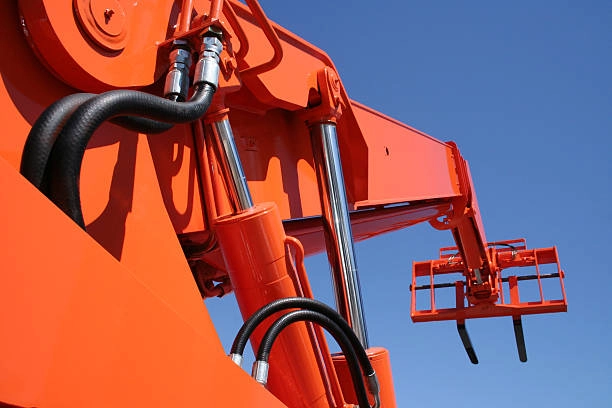
Linked to outside parts like arms or presses, the piston rod moves mechanical force beyond the cylinder. Because it’s out in the open and touches other things, it needs chrome coating or hard surfacing to fight rust and scratches.
Interaction Between Piston and Rod During Operation
The rod has to stay centered with the barrel and piston through all motion to prevent side strain. Any shift to the side can harm seals or lead to spotty wear. Guides in the head keep this straight lineup, even when under load.
Cylinder Head and End Cap: Sealing and Structural Support Elements
Purpose in Sealing Fluid Paths and Supporting Components
The head holds the rod seal and guide bushing. These let the rod stretch out smoothly while holding fluid inside. The end cap closes off the rear of the barrel. So, it finishes the sealed space needed for building pressure.
Mounting Options and Maintenance Access Points
Based on what the job requires, heads and end caps might be screwed on, edged, or bolted for simple taking off. This flexible design makes upkeep easier. Workers can check or swap inner parts without tossing the whole unit.
Seals and Rings: Ensuring Fluid Containment and Efficiency
Types of Seals Used in Hydraulic Cylinders
- Rod seals stop leaks along the moving rod.
- Piston seals make sure no fluid slips between sections.
- Wiper seals clean off dirt from the rod before it goes back in the barrel.
Choices for materials change with the job. Polyurethane does fine in normal heat. Viton deals with high temps and chemicals.
Impact on Cylinder Performance Over Time
When seals wear out, leaks start, pressure falls, or dirt sneaks in. Checking seals often for damage is important. If things start to slow, seals are usually the main issue.
Ports, Fittings, and Mounting Interfaces
Fluid Entry Points: Ports and Fittings Design
Ports link hydraulic lines to cylinder sections. Where they sit affects how well fluid goes in and out. And that changes how fast the piston shifts. Basic fittings make setup simple. But custom ones can boost flow in quick systems.
Mounting Styles for Industrial Integration
Mounting choices go from hook brackets for turning motion to pivots or edges for set positions. Right mounting cuts stress on inner pieces by lowering side loads while running.
Tie Rods vs Welded Body Cylinders: Construction Variants
Characteristics of Tie Rod Cylinders
Tie rod cylinders use outer rods to secure end caps to the barrel. They are simple to fix, take apart, or rebuild. That’s why they’re popular in factory automation where stops cost cash.
Features of Welded Body Cylinders
On the other hand, welded cylinders have fixed end caps. These give a smaller size and better strength for their weight. They’re common in moving gear where room is tight.
Maintenance Considerations for Long-Term Operation
Inspection Practices for Key Wear Areas
Checking often for wear, and looking for leaks or harm, can stop small problems from growing big. Watching the rod’s surface, seal tightness, and barrel marks helps make the unit last longer.
Lubrication Needs and Preventive Measures
Clean hydraulic fluid kept at the right amount is key for system speed and cylinder life. The fluid itself lubes the inside. But open surfaces might need rust blockers or covers based on the surroundings.
Application-Specific Design Adaptations
Customization Based on Industry Requirements
From clean stainless steel for food work to seals that handle heat in metal plants, each field has special needs. Shining Hydraulic focuses on building custom hydraulic answers made for such varied demands.
As a professional manufacturer focused on hydraulic cylinders and systems, Shining Hydraulic provides key actuation components and complete hydraulic solutions for industrial machinery across multiple sectors.
Examples from Heavy Machinery Applications
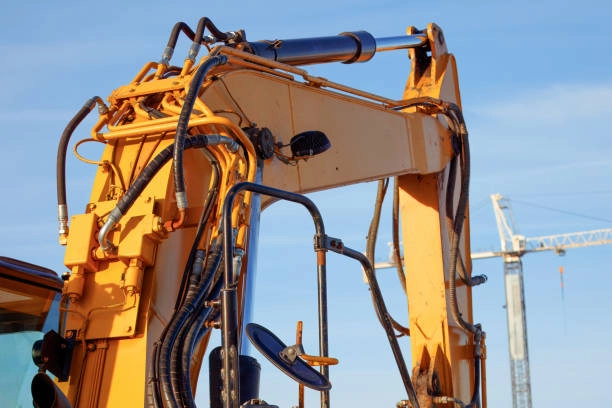
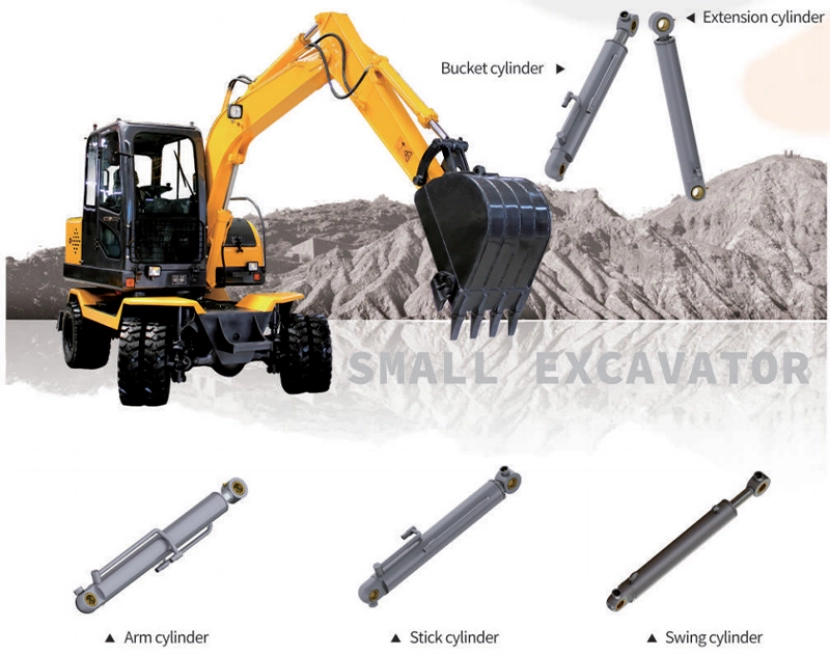
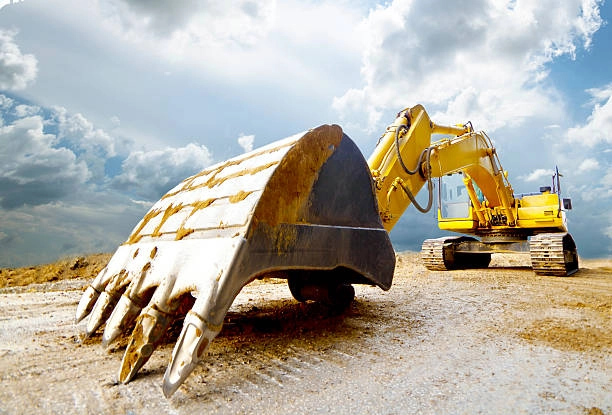
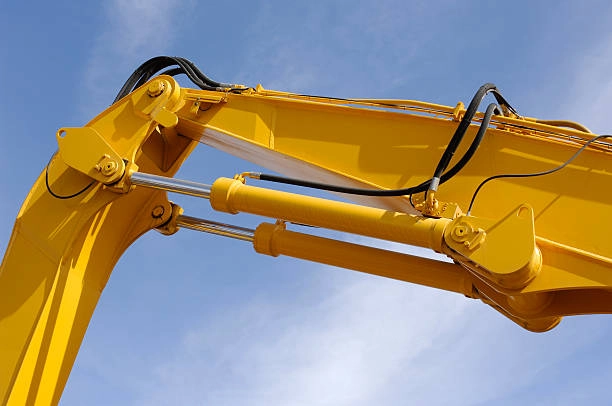
Excavators use wide cylinders with strong rods. At the same time, press machines depend on exact cylinders that repeat well under repeated loads. Picking parts that suit the setting and work ensures top output under pressure.
FAQs
Q: What is the function of a hydraulic cylinder?
It converts pressurized fluid into linear mechanical force to move or lift loads.
Q: How often should seals be replaced?
Seal life varies by usage but regular inspections every 6–12 months help detect early wear.
Q: What’s the difference between tie rod and welded cylinders?
Tie rod types are modular and easy to repair; welded ones are more compact with better strength-to-size ratios.
Q: Can I customize a cylinder for food processing equipment?
Yes—manufacturers like Shining Hydraulic offer stainless steel options with FDA-compliant seals.
Q: Why does my cylinder keep leaking?
Leakage is usually caused by worn seals or damaged rods; check alignment and seal condition first.