Hydraulic steering cylinders hold a big spot in the steady running of heavy duty vehicles. They change hydraulic pressure into guided mechanical shifts. This setup gives exact steering grip even in hard settings. For fields that depend on farm tools, building machines, or shipping gear, knowing how these parts work can draw the line between regular results and pricey halts.
What is a Steering Cylinder?
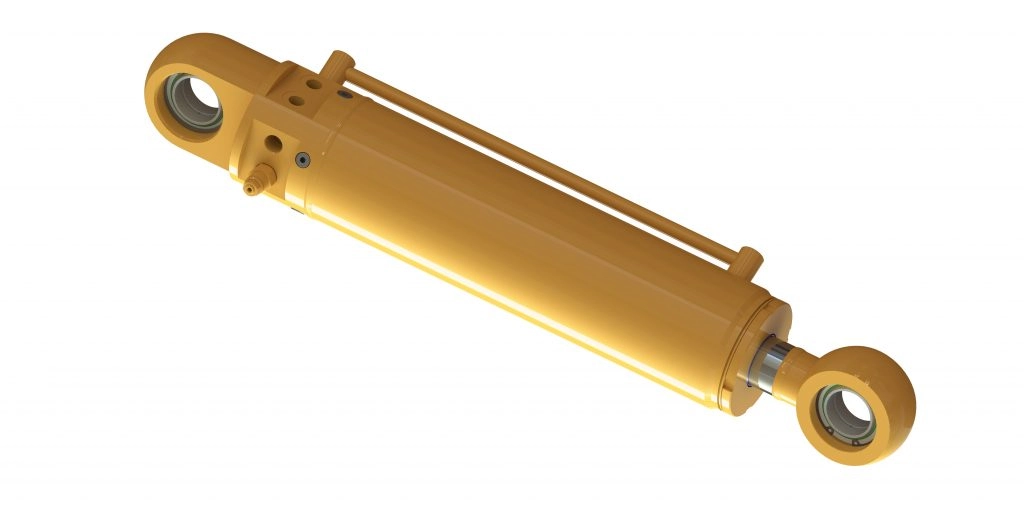
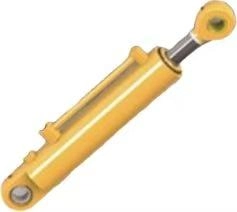
A steering cylinder is a sort of automotive hydraulic actuator built to aid or manage the steering parts of vehicles and equipment. Folks use it a lot in setups where hand steering would not cut it or just could not work because of bulk and heft. Think of tractors, excavators, trucks, and buses. At heart, it shifts pressed fluid power into straight line motion. And that motion spins the vehicle’s wheels or axles.
The steering system in heavy duty vehicles leans hard on this cylinder. It makes sure of fast handling. Without it, folks running the machines would fight to guide big units in a safe or spot on way.
The Functionality of Steering Cylinders in Heavy Duty Vehicles
Before jumping into the machine facts, you need to grasp how these cylinders fit into a vehicle’s full hydraulic web. The cylinder gets pressed fluid from a pump. The steering wheel move controls that pump. This pressure shoves against an inside piston. That piston glides straight inside the cylinder barrel.
Role in Converting Hydraulic Pressure into Mechanical Force
Hydraulic fluid pours into one side of the cylinder. It pushes the piston to slide. This action builds straight force. That force then turns into wheel shifts. Such a switch lets drivers guide huge loads with little body strain. At the same time, it holds onto sharpness and command.
Importance in Enhancing Vehicle Maneuverability and Control
Steering cylinders do more than just ease driver weariness. They also boost safety. They offer steady feedback under shifting weights. In rough paths, like soggy fields or bumpy work zones, their knack for keeping path steady turns vital.
Key Components of a Hydraulic Steering Cylinder
Each piece of a hydraulic steering cylinder adds to its total speed and dependability:
- Cylinder Barrel: The main body housing the piston and hydraulic fluid.
- Piston: Moves within the barrel under pressure, transmitting force.
- End Caps: Seal both ends of the barrel to contain fluid and support mounting.
- Hydraulic Fluid: Transfers energy through controlled flow and pressure.
These components must be precisely engineered and assembled to withstand continuous high pressure cycles typical in heavy machinery operations.
Applications in Various Heavy Duty Vehicles
Hydraulic steering cylinders fit right in across many areas:
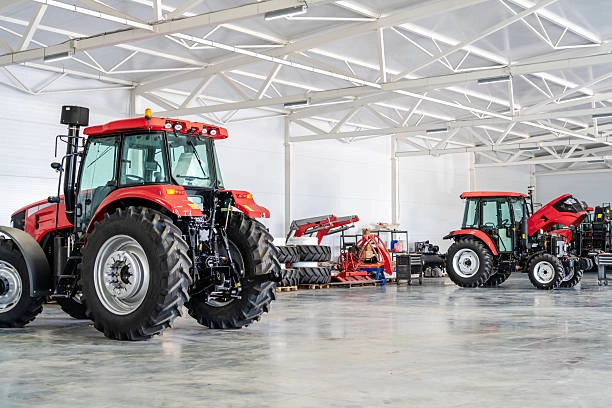
- Agricultural Equipment: Tractors and harvesters rely on them for accurate field navigation.
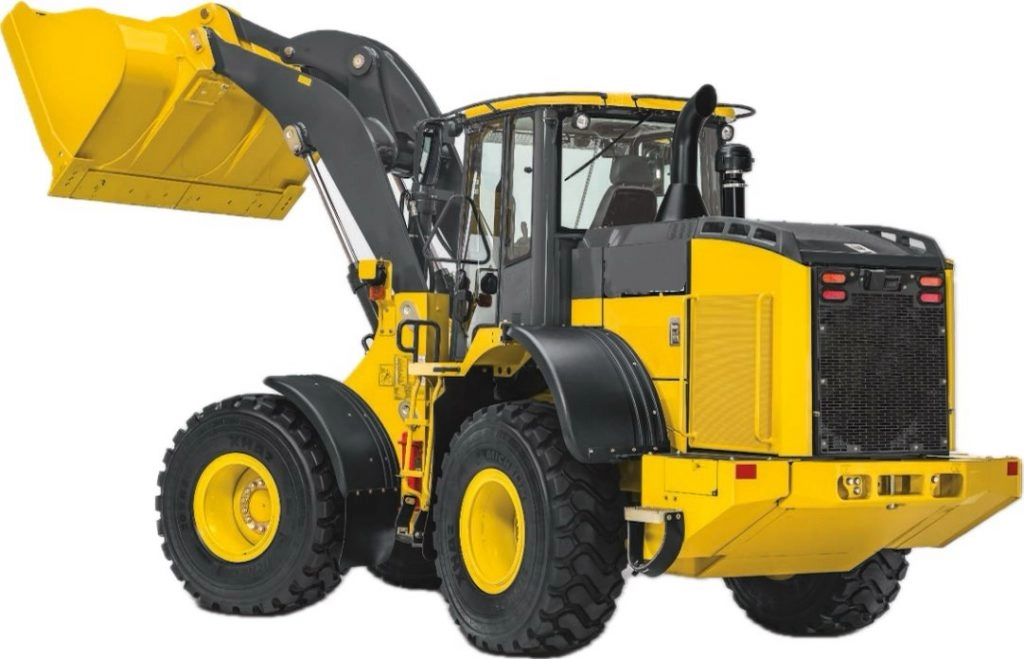
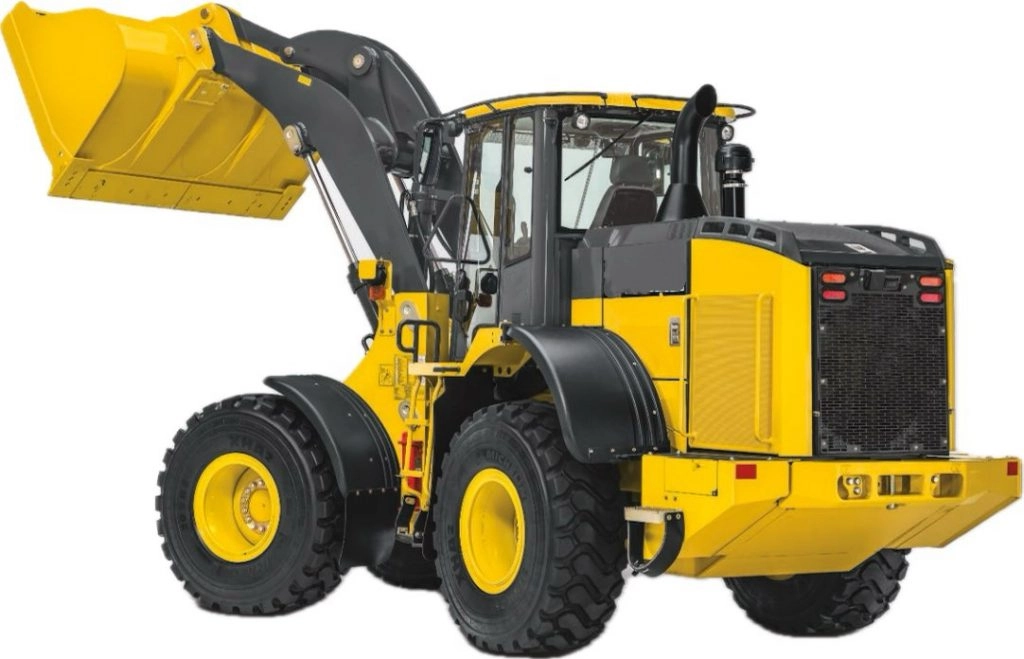
- Construction Machinery: Excavators, loaders, and graders use them for precise articulation.
- Trucks: Heavy transport vehicles depend on them for stable highway handling.
- Buses and Coaches: They ensure smooth turning even with full passenger loads.
Each application demands specific design considerations such as stroke length, bore size, and pressure rating tailored to operational needs.
Features of Shining Hydraulic’s Hydraulic Steering Cylinders
Shining Hydraulic knows how to craft high output cylinders for work settings. Their goods rest on build sharpness, toughness, and flex. These count as main bits for any up to date heavy duty bunch.
Engineered for Precision and Performance
The firm pays close heed to tuned inner spaces. These cut down rub waste. They also ramp up quickness. Solid seal setups block leaks even in wild heat swings. Items like tough steel barrels and chrome plated rods add to lasting guard against rust and rub.
Advantages of Using Shining Hydraulic Steering Cylinders
Toughness matters a bunch when vehicles run without stop under push. Shining Hydraulic‘s pieces offer longer run time. They get this from strong materials and firm check routines. Sharp building betters vehicle guiding. It makes sure of steady motion pass from hydraulic push to wheel result. This stands as a key bit for handler trust and safety.
Importance of Regular Maintenance for Steering Cylinders
Even solid setups call for checks now and then. Good upkeep makes sure your cars cylinders keep going strong without sudden breaks.
Preventing Common Issues Like Leaks and Failures
Usual looks help spot early hints of seal wear or fluid mess. Swap out tired seals before they quit. This stops costly stops from hydraulic drips or pressure drop.
Ensuring Smooth Operation and Longevity
Keeping hydraulic fluid fresh counts big time. Dirt can nick inner spots or jam valves. Check fluid amounts often. This holds output even. It also shields inner bits from too much heat or bubble harm.
Tips for Extending the Lifespan of Your Hydraulic Steering Cylinder
To hold your setup trustworthy:
- Schedule periodic maintenance aligned with manufacturer recommendations.
- Use only approved hydraulic fluids compatible with your system.
- Keep fittings clean during servicing to avoid introducing debris.
- Store spare cylinders properly—away from moisture or corrosive environments.
- Monitor operating temperatures; excessive heat shortens seal life dramatically.
Regular attention trims fix fees. It also keeps top steering output in every job spot.
Conclusion
For outfits handling packs of heavy duty tools, putting in trusty hydraulic fixes brings rewards. Think less down time, safer work, and stronger total flow. Shining Hydraulic keeps on handing out tailored fixes. They base these on know how and sharp crafting. This aids fields in pushing ahead with sureness at each bend.
FAQs
Q1: What causes a hydraulic steering cylinder to leak?
Seal wear or contamination within the hydraulic system often leads to leaks over time.
Q2: How often should I replace hydraulic fluid in my steering system?
Typically every 1,000–2,000 operating hours depending on usage intensity and environment.
Q3: Can I repair a damaged cylinder rod myself?
Minor surface scratches can sometimes be polished out, but deep damage requires professional repair or replacement.
Q4: What are signs my steering cylinder needs maintenance?
Symptoms include sluggish response, visible oil leaks, uneven wheel movement, or strange noises during operation.
Q5: Are all hydraulic fluids suitable for automotive applications?
No—always use fluids specifically formulated for automotive hydraulic systems to ensure compatibility with seals and materials used inside the cylinder.