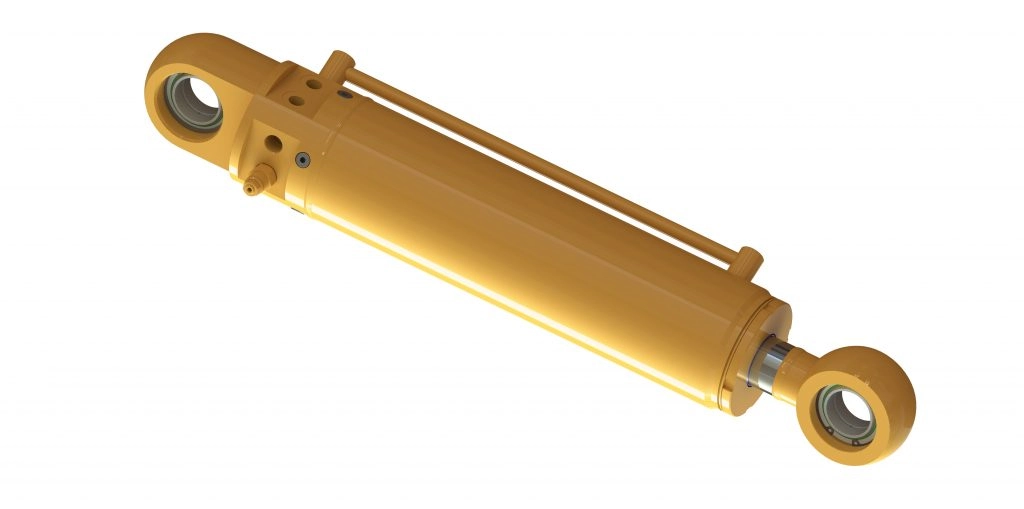
Industrial hydraulic cylinder manufacturing sits at the core of today’s machines. It turns fluid power into exact mechanical action. Mining excavators, injection molding presses, and farm harvesters all rely on these cylinders. They give controlled force and motion. The main question is not if hydraulic cylinders matter. They do. But how are they made to fit the tough needs of today’s hydraulic industries?
Understanding Industrial Hydraulic Cylinder Manufacturing
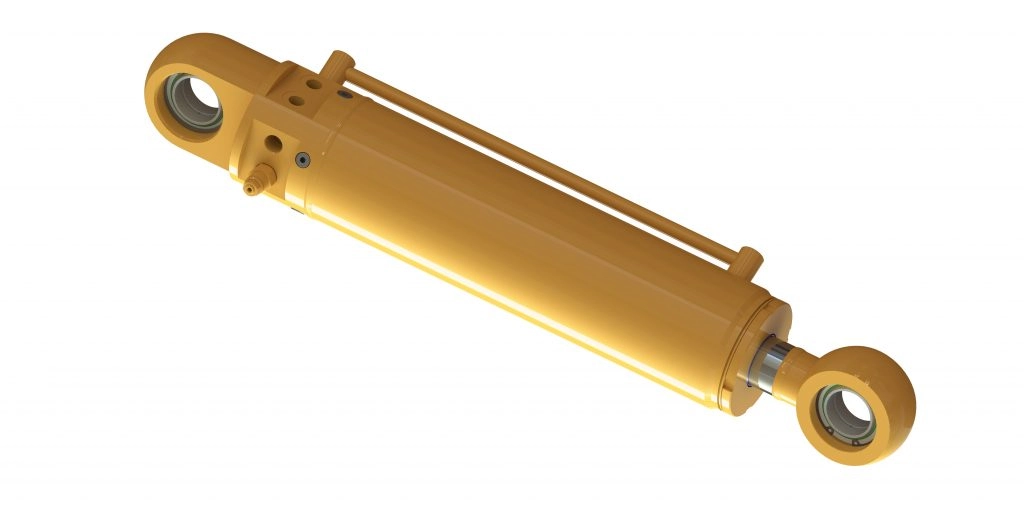
Hydraulic cylinders act as linear devices. They change hydraulic energy into mechanical push. Pressurized fluid works on a piston in a barrel. This creates motion for lifting, pushing, or pressing jobs. The design makes sure of smooth and steady force output. Even big loads do not stop it.
Key Characteristics of Hydraulic Cylinders
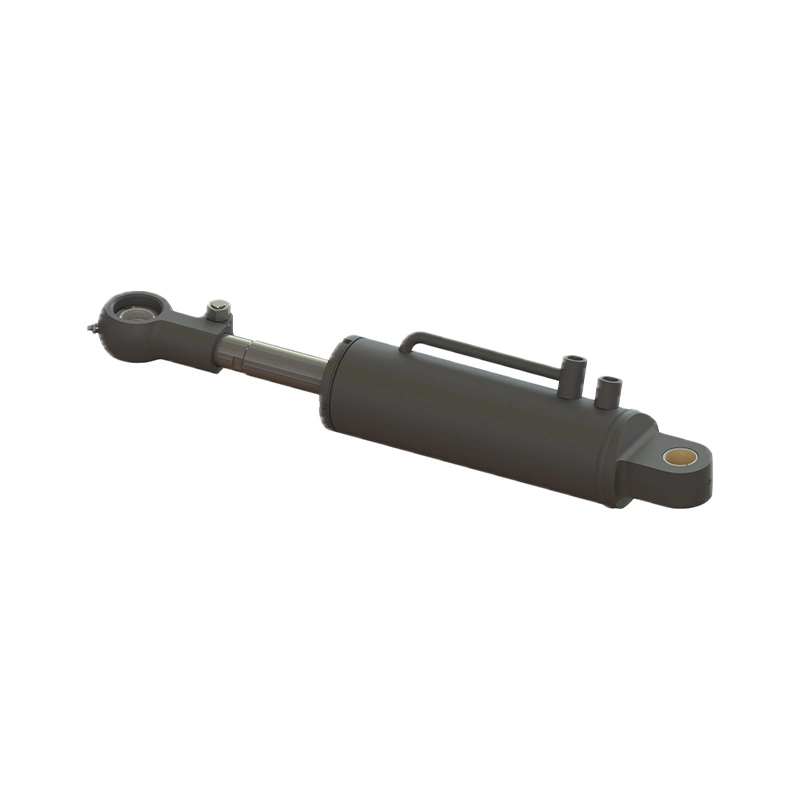
In factory uses, hydraulic cylinders have a few main types. Tie-rod, welded, telescopic, and mill-type are the usual ones. Each type fits certain tasks. Tie-rod cylinders are simple to fix. Welded types stay small. Telescopic ones give long stroke lengths. Mill-type units take heavy work cycles.
They matter because of their steady work and good use of power. Without them, auto systems in building gear, steel plants, and sea machines would lack exact control. In fact, industrial hydraulic cylinders provide the strength for every big mechanical setup.
The Manufacturing Process of Industrial Hydraulic Cylinder Manufacturing
The making process mixes careful engineering with strict checks on quality. From planning to testing, each part affects how well it works and lasts.
Engineering and Design Considerations
Design starts by learning about load needs, stroke length, pressure levels, and weather conditions. Engineers balance toughness with ease of making. They pick right bore sizes and sealing setups. They also think about space limits in OEM manufacturing setups.
Engineers often use sim tools. These predict stress spread and fluid flow. Design for making sure helps. It means every part, from piston rod to end caps, gets built right. No extra cutting time or waste happens.
Material Selection and Traceability
Choosing materials sets how long it lasts under high pressure and changing heat. Often, strong steel mixes go into barrels and rods. They have good pull strength and fight rust. Chrome plating adds protection against wear on rod faces.
Keeping track is key too. Each group of material must trace back to where it came from. This keeps trust in quality checks. It helps follow ISO or OEM-specific rules. There, record paths are needed for reviews.
| Component | Common Material | Key Property |
| Cylinder Barrel | Seamless Steel Tube | High pressure resistance |
| Piston Rod | Chrome-Plated Steel | Corrosion & wear resistance |
| Seals | Nitrile / Polyurethane | Leak prevention |
| End Caps | Carbon Steel / Aluminum | Structural integrity |
Precision Machining and Fabrication Techniques
Exact cutting shapes how a hydraulic cylinder performs. Steps like CNC turning, honing, grinding, and thread rolling keep tight fits. This allows easy piston move and few leak spots.
Honing matters a lot. It makes a smooth finish inside the barrel. That holds oil well. It also stops seal wear. Exact building includes welding too. Robots do it. They make even weld lines without bends.
Assembly, Sealing, and Final Testing Procedures
Putting together means attaching pistons to rods. Then, seals go into slots. Barrels line up with end caps. Fasteners get tightened to the right level. Good lining stops side push. That can wear things out early.
Seal tech has grown a lot. New seal setups use many lips or mixed stuff. They handle still and moving pressures well.
Before sending out, each cylinder gets a water pressure test. It goes over its max level. This finds leaks or bends. Work tests check smooth action under fake job conditions. This makes sure it works right once in gear.
Integrating Engineering Support into Production Programs
Engineering help links planning goals with making steps. Teams of designers and workers talk often. They make fast changes in test models or big OEM manufacturing runs.
This link boosts work flow. It cuts stop time from fixes or mix-ups. It also allows changes. That’s key when buyers want odd mount ways or special covers for rough spots like sea drill setups.
Quality Management in Hydraulic Cylinder Manufacturing
Quality control keeps things the same in each batch. Manufacturers usually stick to ISO 9001 plans. These stress step checks, look-over points, and fix methods.
Records are big here. Every step, from cutting settings to test outcomes, gets noted for tracking. Stats tools watch patterns. They fix off-trends before they hurt the product.
Applications of Industrial Hydraulic Cylinders
Hydraulic cylinders drive many machines in different fields:
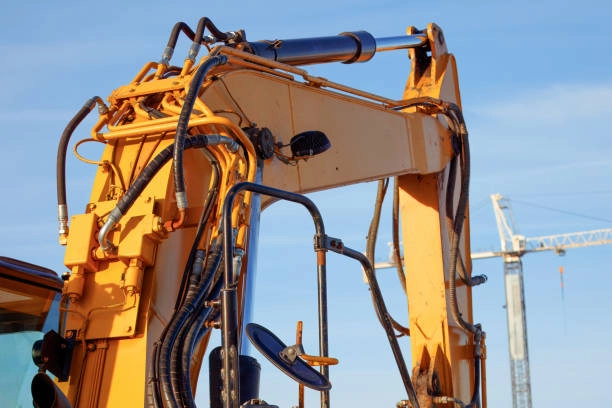
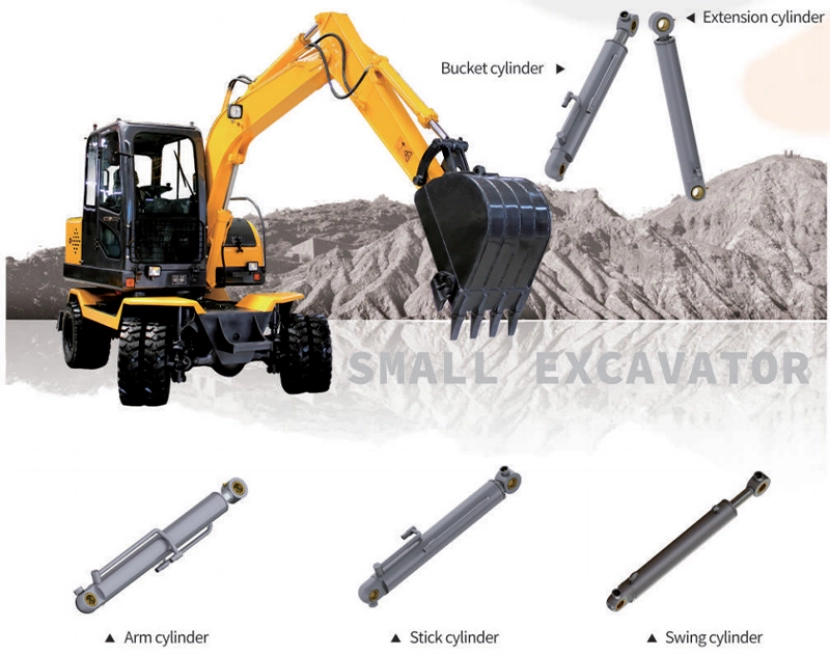
- Construction: Excavators, loaders, bulldozers.
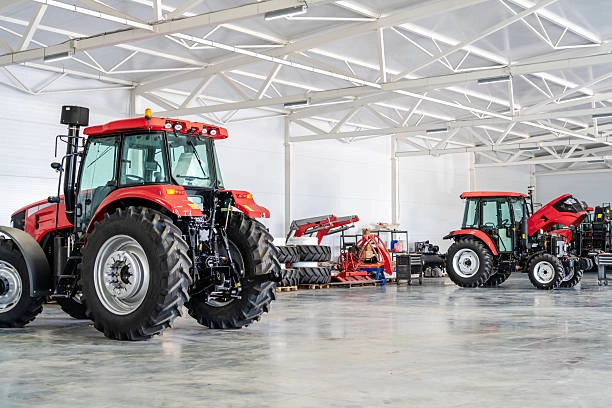
- Agriculture: Harvesters, plows, sprayers.
- Mining: Drilling rigs and haul trucks.
- Manufacturing: Presses, injection molding machines.
- Marine & Offshore: Winches, cranes.
Each job needs certain traits. Small size for moving machines. Long life for fixed factory presses. So, changes are a must in hydraulic industries.
Supply Chain Considerations for OEM Manufacturers
OEM manufacturers need solid supply lines to hit make goals on time. Keeping materials coming steady means good ties with steel sellers and seal makers. They promise even quality in long deals.
Wait times affect plan times. So, guessing need right helps skip jams in busy times or world ship problems. Many manufacturers learned that in late supply troubles.
Evaluating an Industrial Hydraulic Cylinder Manufacturer
When picking a making partner, OEMs look at a few things:
- Shown skill in industrial hydraulic cylinders.
- Own engineering skills for custom fixes.
- Certificates that prove following world rules.
- Open quality records.
- Steady send-out that fits make plans.
A manufacturer’s skill in tech plus quick help to buyers often sets long ties. Not just cost.
Conclusion
Shining Hydraulic shows as a solid expert in hydraulic cylinder new ideas for the machine field. The company aims to give full hydraulic answers. From single movers to full setups. These boost gear work in many fields. With firm engineering bases and tight quality rules, Shining Hydraulic keeps helping OEM clients. They want strong parts made just for their jobs.
FAQs
Q: What materials are most commonly used in industrial hydraulic cylinders?
High-strength steel alloys with chrome-plated surfaces are standard due to their durability under high pressure.
Q: How do manufacturers ensure leak-free operation?
By using advanced sealing systems tested under hydrostatic conditions before delivery.
Q: What industries rely most heavily on hydraulic cylinders?
Construction machinery, agriculture equipment, marine systems, mining operations, and manufacturing automation lines all depend on them.
Q: Why is traceability important in cylinder production?
It guarantees material authenticity and compliance with safety standards required by OEM clients.