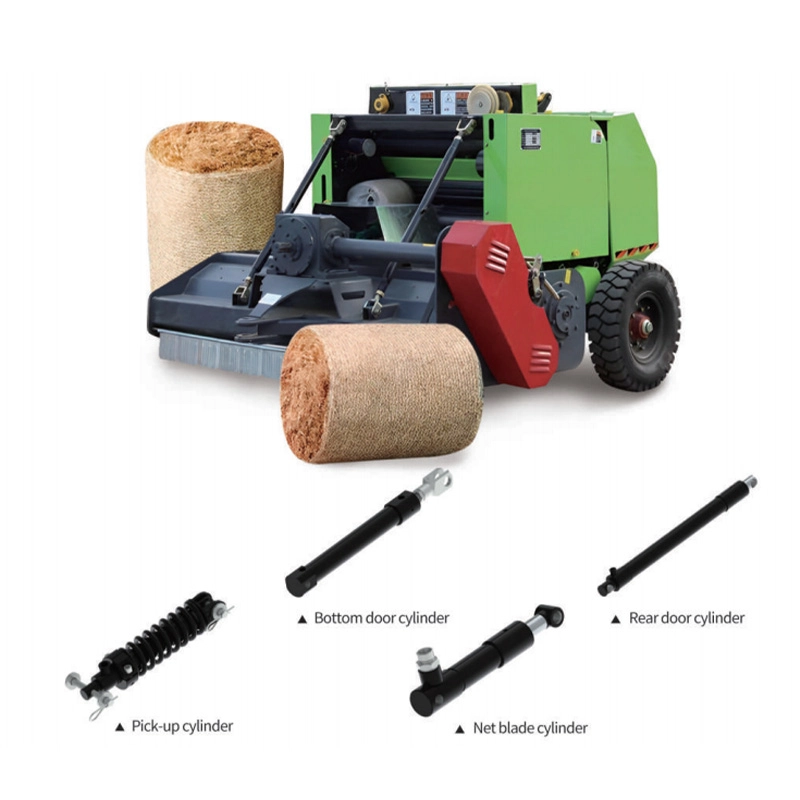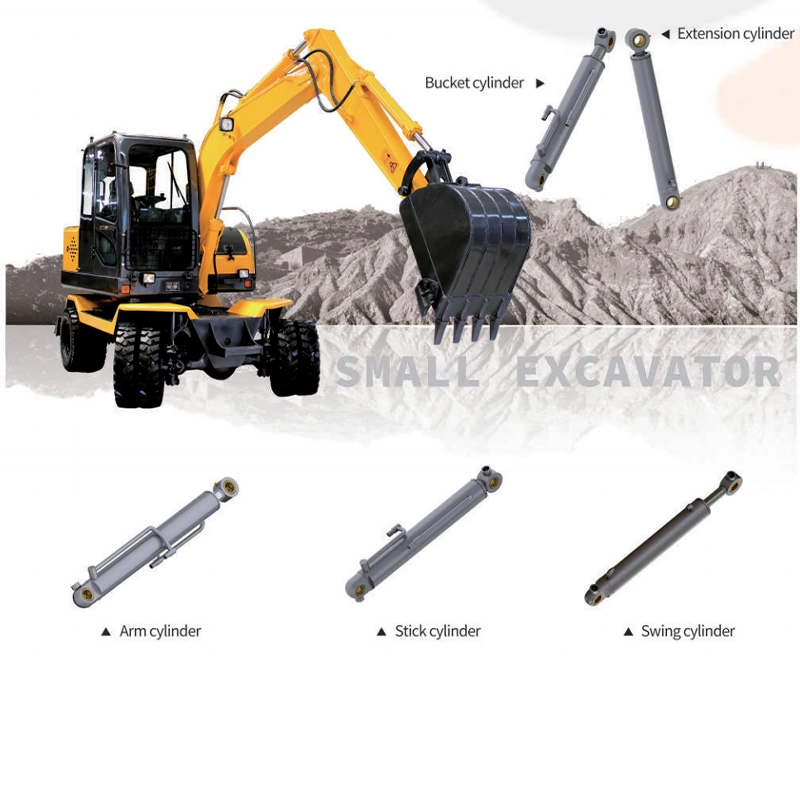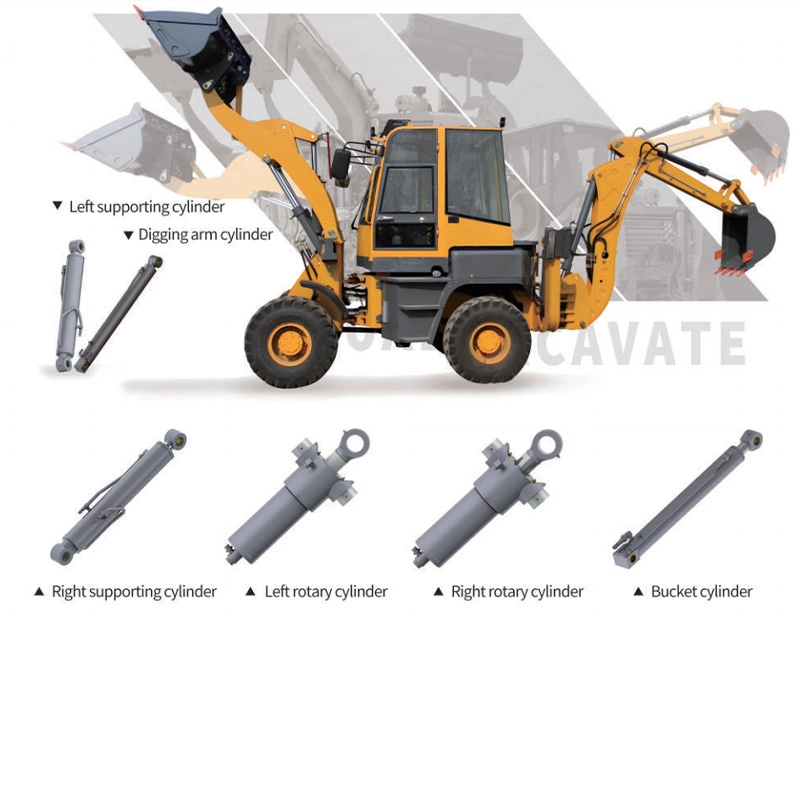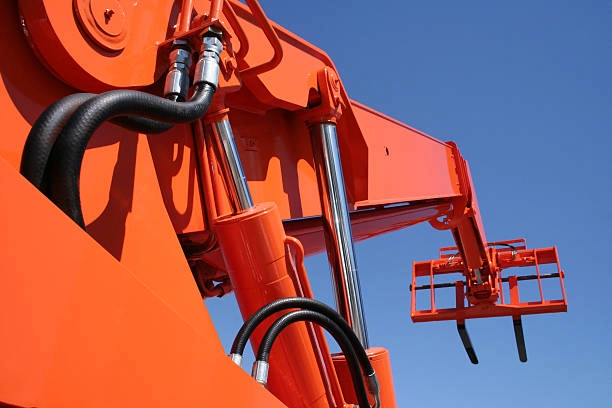
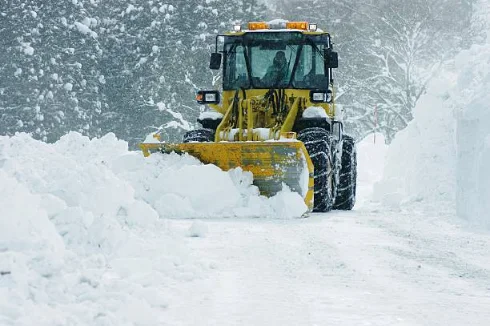
The Impact of Cold Weather on Hydraulic Equipment
Winter brings more than snow and ice. It adds various mechanical stresses. These can greatly affect hydraulic equipment. From thicker fluids to broken seals, cold temperatures push heavy machinery to its limits.
How Low Temperatures Affect Hydraulic Fluids
When the temperature falls, hydraulic fluids act in new ways. The viscosity of hydraulic fluid goes up. This slows the fluid’s flow. It puts extra strain on the pumps. That slow flow does not just make things run slower. It can harm parts because of cavitation. Air bubbles form and burst hard inside the pump. Low-temp hydraulic fluid can make the system act oddly too. This speeds up wear on other parts.
Cold weather also lets condensation enter the system. Too much of it leads to rust inside the cylinder. It builds up moisture in the system. Plus, it blocks the valves. All this hurts performance and reliability.
Effects on Seals, Hoses, and Connectors
Rubber parts suffer a lot from freezing. Low temperatures turn seals hard and stiff. They lose their bendiness. This causes cracks or shrinking. It weakens the seal’s ability to stop leaks. Also, parts shrink from the cold at joints and connections. That can lead to surprise leaks or drops in pressure. Hoses get rigid in the cold. So, they break easier under pressure or when bent.
Cylinder Performance in Freezing Environments
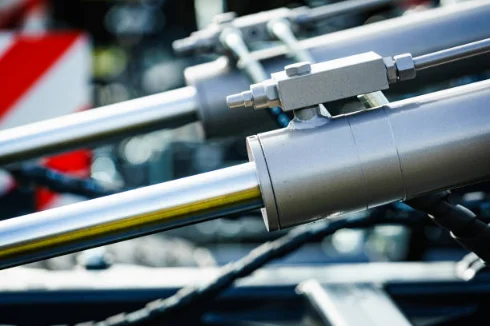
Hydraulic cylinders face problems in low temperatures. Some issues are small, others big. Thick fluid creates uneven pressure inside. This makes cylinder response times slower. Ice can form around exposed rods. That harms wipers and lets dirt get in. Telescopic cylinders, often used in dump trucks and snowplows, face freeze-lock risks. This happens if leftover moisture inside is not handled.
Key Considerations for Different Cylinder Types in Winter
Not every cylinder handles winter the same way. Picking and caring for the right setup can help a lot. It matters when conditions turn icy.
Welded Hydraulic Cylinders in Cold Conditions
Welded cylinders are strong. But they have soft spots in cold settings. The welds go through thermal cycling. That means repeated growth and shrinking. It stresses even good joints. Check protective coatings. They need to fight rust from salted roads and extra water. Choose rods from materials that stay tough in low temperatures. This adds protection.
Telescopic Cylinders Used in Snow Removal Equipment
Telescopic cylinders need special attention. This is due to their multi-stage design. Each stage requires good lubrication. That stops internal sticking. Moisture can stay between stages. It leads to ice buildup. This can stop work or crack inner parts. Move these cylinders during quiet times. It helps avoid freeze-lock. It also keeps seals flexible.
Pre-Winter Inspection Essentials for Heavy Machinery
Spending a few hours on checks now can prevent long stops later. See it as a yearly health check. It is key for smooth winter runs.
Visual Checks for Surface Damage and Corrosion
Look for rust marks or peeling paint. These show coatings are breaking down. Do not forget rod surfaces. Pits or scratches can hurt seals fast. This is worse with ice or dirt around.
Fluid System Evaluation Before Temperature Drops
Test your hydraulic fluid. Its viscosity must fit what the system needs at the lowest working temperature. If the fluid is old or dirty, clean it out. New types might work better in cold weather. They cut stress at startup.
Seal Integrity Testing and Replacement Planning
Examine seals for hardness, shrinking, or flat shapes. These mean seals are worn out. If gear works in very cold spots, swap standard seals. Use ones rated for low temperatures. They stay bendy below freezing.
Maintenance Practices That Improve Winter Performance
Regular care matters as much as prep before winter. Small changes in how you run things help when it gets really cold.
Cold Start Procedures for Hydraulic Systems
Warm up the system before full power. Use heaters or warm cycles to get fluids to the right temperature. Skipping this can cause cavitation from thick fluid. It might even break lines. Wait for steady pressure. Then handle heavy loads.
Storage Tips During Equipment Downtime in Winter Months
When machines sit for days or weeks, risks grow. Exposure is a big worry. Pull all cylinders in fully. This protects rods from snow, ice, and road salts. Store indoors if you can. Or use covers that insulate against harsh cold.
Lubrication Strategies for Low Temperatures
Change to winter grade lubricants. They stay runny in low temperatures. Make sure they work with your seals and metals. In side systems with water, like tank heaters or control lines, add anti-freeze. It stops damage from swelling.
Optimizing System Performance with Expert Support
You do not need to solve this by yourself. Expert help can make upgrades that boost cold-weather dependability.
Benefits of Component Upgrades for Winter Readiness
Fresh cylinder materials last longer under tough starts. They manage pressure changes better. Better coatings fight rust more than old paints or covers.
Updated cylinders save energy too. This is key when systems work extra hard. It happens from thick fluids or blocked paths.
Custom Solutions Tailored to Your Machinery Needs
Team up with a specialist like Shining Hydraulic. It ensures parts match well. Not just for how they work, but for easy fixes in busy winter. Custom setups cut stop time. They avoid problems from mismatched parts in repairs or updates.
We cannot control outside temperatures. But checks and care keep hydraulic systems running well.
Planning Ahead: When to Retrofit or Replace Components
Waiting for a break means trouble. Winter fixes cost a lot.
Indicators That Signal the Need for Replacement Before Winter Hits
If cycles take longer or lift power drops as it cools, act. These show fluid does not flow easy. Or seals fail under strain.
Leaks that keep coming, even after new seals, point to bigger problems. Like inner scratches or rod issues. Do not brush them off before winter.
Evaluating Long-Term Cost Savings from Proactive Upgrades
Fixes ahead of time often cost less than rush jobs in snow. Stronger setups last longer overall. They stop lost money from surprise stops.
Extreme cold cuts the life of hydraulic systems short. It blocks their good work. Partner with pros like Shining Hydraulic early. This fixes weak spots before breaks happen.
FAQs
Q1: What’s the best fluid for winter hydraulic systems?
Use low-temperature hydraulic fluid rated for your specific machinery’s expected operating range.
Q2: How often should I inspect seals during winter?
Check them weekly during continuous use; monthly if equipment is idle but stored outdoors.
Q3: Can I use standard lubricants in winter?
No—switch to winter-grade lubricants formulated for low-temperature performance.
Q4: Why does my hydraulic system feel sluggish in cold weather?
High fluid viscosity slows flow rate and causes pump inefficiency until warm-up is complete.
Q5: Is storing machinery outdoors okay if covered?
Yes, but use insulated covers and fully retract cylinders to reduce exposure risks.