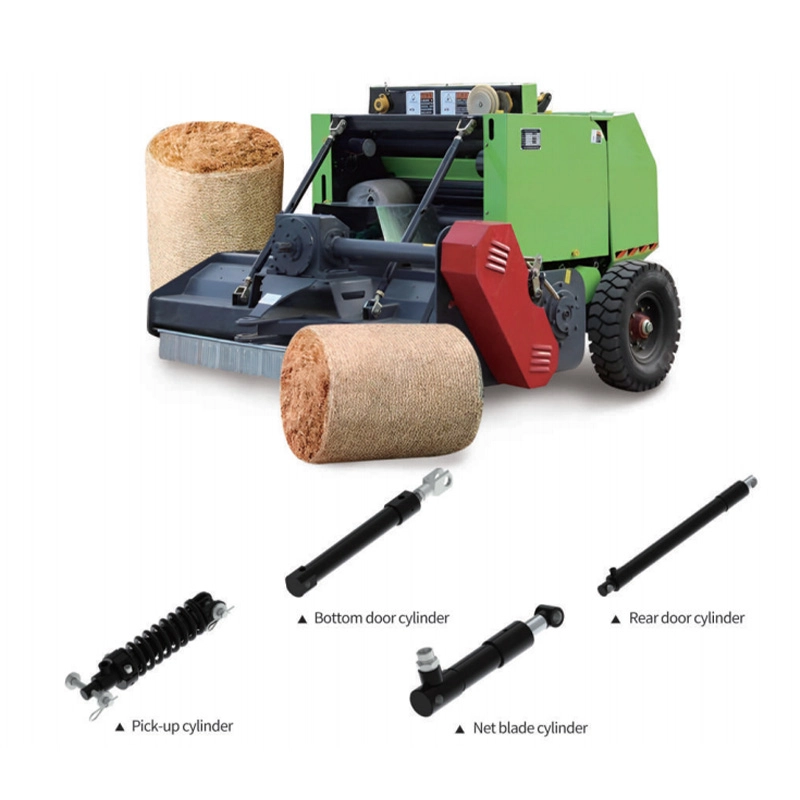
When it comes to baler machines or other agricultural equipment using hydraulic components, knowing the differences between pick-up cylinders and lift cylinders is more than just technical trivia — it’s key for machine efficiency, longevity, and picking the right part for the job. In short: pick-up cylinders manage the motion of the pick-up reel close to the ground. Lift cylinders handle vertical movement of larger, heavier components. But as always, the devil is in the details.
Functional Roles in Agricultural Machinery
Understanding the Role of the Pick-Up Cylinder
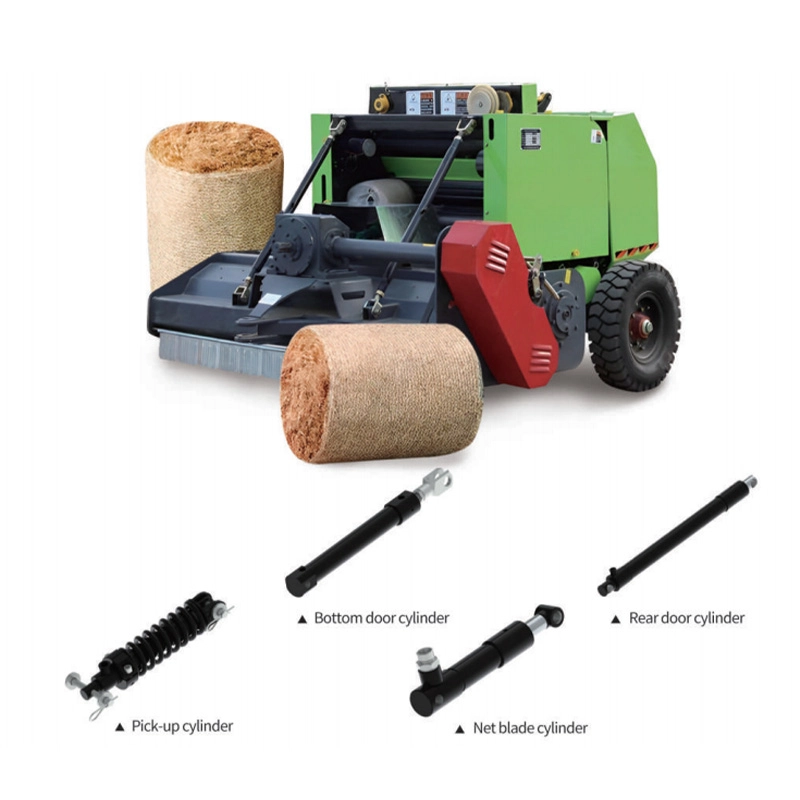
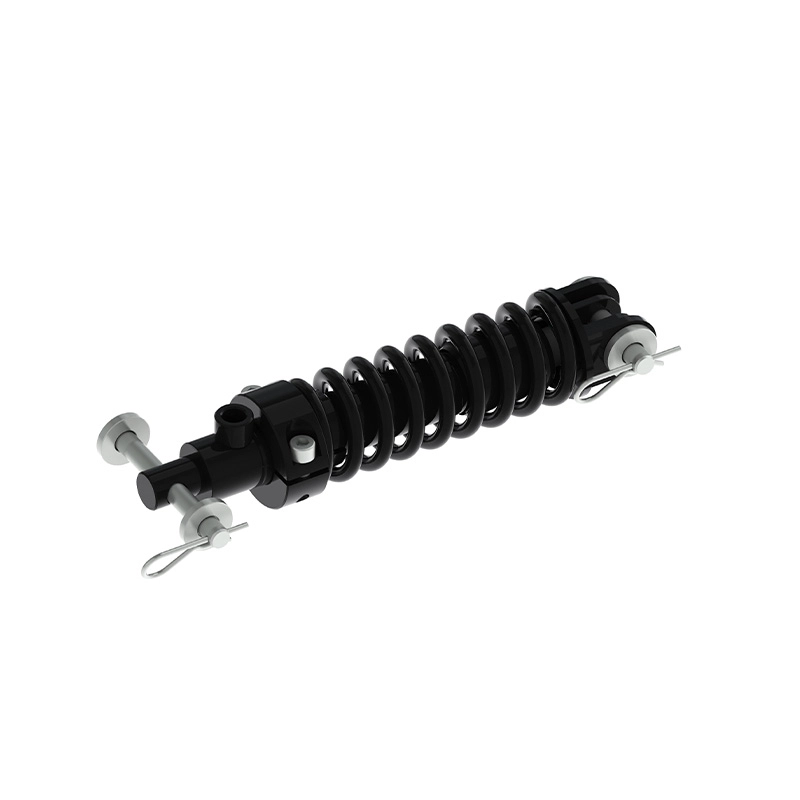
The pick-up cylinder is a special type of hydraulic cylinder. It plays a front line role in baler machines. Its main job is to help raise and lower the pick-up reel. This reel is the turning part that gathers loose crop material from the field.
This part must allow small changes. That way, the reel can follow uneven ground. It ensures good crop collection. It avoids missing material or harming the soil. Since baling starts with effective pick-up, this cylinder begins the whole baling cycle.
One main function of hydraulic cylinders in agriculture is to lift heavy objects safely and fast. This applies in general. But for pick-up cylinders, it’s about smooth, quick motion. It’s not about raw lifting power.
Understanding the Role of the Lift Cylinder
The lift cylinder handles bigger mechanical tasks. It controls the up and down movement of key structural parts. These include bale chambers, loader arms, or lifting panels during loading or transport.
These cylinders give strong upward or downward force. They often work under heavy loads. They also help with positioning changes. These set the machine height or angle during field work.
Hydraulic cylinders offer exact and strong motion. They ensure steady and effective work of agricultural machinery in tough conditions. This fits lift cylinders perfectly. They raise loaded equipment sections or hold them during transport.
Comparison of Installation Positions and Mechanical Load
Installation Position Differences Between Pick-Up and Lift Cylinders
Pick-up cylinders usually sit near the front lower part of a baler machine. They stay close to the ground. They link directly to the pick-up reel assembly. This spot lets them adjust in real time as the terrain shifts.
Lift cylinders typically mount in the center or at higher spots on the machinery. Their place is picked for balance. It also gives mechanical advantage when holding big components.
Variations in Load Direction and Force Application
The mechanical needs for each cylinder type vary a lot. Pick-up cylinders face changing horizontal or angled loads. These come from field bumps, crop flow pushback, and constant reel shifts.
Lift cylinders deal with mostly vertical loads. They lift or lower big equipment weight. This covers raising full bale chambers or setting platform levels.
Hydraulic cylinders also produce more force output. That’s vital for lift cylinders. They must keep lifting power under changing loads.
Differences in Operation Frequency and Environmental Exposure
Working Frequency and Motion Cycles
Pick-up cylinders run nonstop during field work. Each time the baler crosses bumpy terrain or hits a crop row, these cylinders adjust. They keep the reel at the best height.
Lift cylinders work now and then. They turn on during set times. These include loading bales, dumping material, or shifting equipment for transport. So they cycle much less often.
This gap affects part wear. It also shapes maintenance plans.
Exposure to Dirt, Debris, and Impact Forces
Pick-up cylinders sit at ground level. So they face constant hits from dust, mud, crop bits, and even rocks. Their sealing systems must be tough. They need to block out contaminants.
Good seals matter a lot in farm settings. Dirt and debris can mix into the hydraulic oil easily. That hurts cylinder performance.
Lift cylinders get better shield from direct debris. But they still deal with stress from repeated lifts. They face more mechanical tiredness than dirt wear.
Performance Requirements for Harsh Field Conditions
Durability Needs for Pick-Up Cylinders in Continuous Operation
Pick-up cylinders work without stop during harvest times. They stay in dirty spots. So toughness is a big worry. They must:
- Stand up to wear from tiny bits like sand and crop dust
- Use seals made for quick strokes in dirty spots
- Keep fluid tight even with small rod shifts
Agricultural hydraulic cylinders need to fight rust. They must handle very hot or cold weather. Materials like chrome plated steel and stainless steel work well for this.
Manufacturers like Shining Hydraulic often pick such strong materials. They help ensure long life even with steady exposure.
Shock Resistance and Structural Strength Demands
Field conditions change fast. Rocks pop up out of nowhere. Terrain drops without notice. The pick-up cylinder must take these hits. It should not bend out of shape for good.
Lift cylinders need strong build more than shock handling. They hold heavy still loads. They must avoid bending under weight. Firm structure matters more than bendiness here.
Choosing the Right Hydraulic Cylinder for Your Equipment
Evaluating Equipment Type and Operating Conditions
Picking between a pick-up and lift cylinder starts with knowing your machine’s job. You also need to think about its work settings:
- A baler machine that moves fast over rough fields needs a well sealed, shock proof pick-up cylinder.
- A loader or rear lift setup that deals with big bales will gain from a solid round cylinder design. It supports vertical weight well.
Building hydraulic cylinders for farm use takes close care. This means matching seal quality, stroke length, mounting type, and rod diameter to your real field needs.
Terrain bumps, crop kind (like wet hay or dry straw), and how long you run it all affect wear speed. So they guide your pick.
Balancing Reliability, Maintenance, and Cost Factors
Pick-up cylinders often need better sealing systems. They also want rust proof coatings. This is because they run longer in bad conditions. It raises the starting cost. But it cuts downtime down the road.
Lift cylinders must give steady work under load. They may not run as much. Yet a failure during a lift is way more dangerous.
Shining Hydraulic is one manufacturer tackling these issues. They offer custom hydraulic fixes for both cases. Their work on exact machined parts cuts leak risks. It stretches out maintenance times without adding hassle.
By adding these new ideas, agricultural machinery can run better. It can also lower its harm to the environment.
FAQ
Q1: Can I use a lift cylinder in place of a pick-up cylinder?
A: Generally no — each cylinder is designed for different loads and motion patterns.
Q2: How often should I replace seals on a pick-up cylinder?
A: It depends on usage intensity but typically every season if operating in dirty environments.
Q3: Are round cylinders better than rectangular ones for lifts?
A: Round cylinders are more common due to uniform stress distribution — ideal for vertical lifting tasks.
Q4: What’s one sign my pick-up cylinder needs service?
A: Jerky movement or inability to maintain reel height are common early warnings.