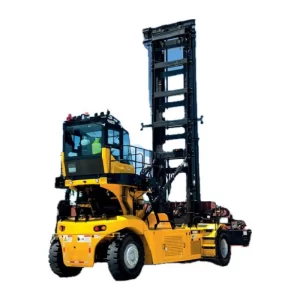
Hydraulic systems are the hidden champions behind the strong power and exact control of forklifts. Without hydraulics, forklifts would be much less able. They would struggle to lift heavy loads or do careful moves. The key is how fluid power gets used and guided through well-made parts. If you have ever wondered what truly moves a forklift’s mast or tips its carriage, the answer is nearly always hydraulic.
Basics of Hydraulic Systems
Core Principles Behind Hydraulic Operation
At the center of every hydraulic system is the idea of sending force through a liquid. This basic notion lets big amounts of power move with little work. According to Pascal’s Law, pressure put on a trapped fluid spreads evenly in all ways. And this allows force to grow. This is why a fairly small hydraulic cylinder can raise many tons. The pressure gets spread out and boosted across the setup.
Compared to mechanical systems, fluid-based hydraulics give several pluses:
- Bigger force from small parts
- Even and changeable motion handling
- Less wear on parts because of fewer moving bits
These gains make hydraulic systems vital in work gear where power and accuracy need to work together.
Types of Hydraulic Systems Used in Industrial Equipment
Work machines use two main kinds of hydraulic systems: open-loop and closed-loop. Open-loop ones pull fluid from a tank. They send it through pumps and movers. Then they send it back to the tank. Closed-loop systems, however, recycle the fluid in a sealed loop. This gives better efficiency and quicker reactions.
The displacement type counts too. Fixed displacement systems send a steady amount of fluid each time. But variable displacement ones can change flow rates right away. They are great for gear like forklifts where load needs shift often.
Picking the right setup affects work speed and energy use directly. For instance, forklifts in tight storage spots gain from variable displacement systems. These optimize output in the moment.
How Forklift Hydraulic Systems Work
Hydraulic Power Flow in a Forklift
In a usual forklift, the hydraulic system begins with the engine running a hydraulic pump. This pump pressures the hydraulic fluid. Next, it goes through control valves. Then it reaches actuators like lift or tilt cylinders. After doing the job, the fluid goes back to the reservoir. And the cycle starts over.
Control valves have a big job here. They manage the path and amount of fluid flow from what the operator does. Their quick response makes lifting or dropping feel natural and steady.
Integration with Forklift Mechanical Components
Hydraulics link deeply into the forklift’s build parts:
- The mast goes up and down with hydraulic lift cylinders.
- The carriage moves along the mast, pushed by pressurized fluid.
- Tilt cylinders let the operator angle loads for better steadiness and safety.
When an operator uses controls in the cab, those actions turn into hydraulic signals. These command certain parts. The match between human input and hydraulic reply is what gives forklifts their skill. They lift breakable loads without tipping or sudden jerks.
Why Hydraulics are Essential for Forklifts
Enhancing Load Handling Capabilities
Hydraulics help forklifts handle heavy goods with care. Whether stacking pallets high or changing tilt for odd shapes, the system offers fine motion control.
This leads to:
- Spot-on lifting and placing
- Managed drop speeds
- Even weight spread over axles
Operators do not need raw muscle. Just a gentle push on the lever works.
Improving Operational Efficiency and Safety
Smooth hydraulic action cuts wear on machine parts. It also lowers shock that can harm goods. Plus, steady work no matter the load weight adds to safer runs in busy spots.
Forklifts often work in changing places. Think narrow paths or bumpy floors. Hydraulic systems help keep balance and quick response in all cases.
Common Hydraulic Components in Forklifts
Key Elements of the Hydraulic Circuit
Several main parts form the base of a forklift’s hydraulic system:
- Hydraulic Pump: Changes mechanical energy into pressurized fluid power.
- Control Valves: Guide flow based on operator commands.
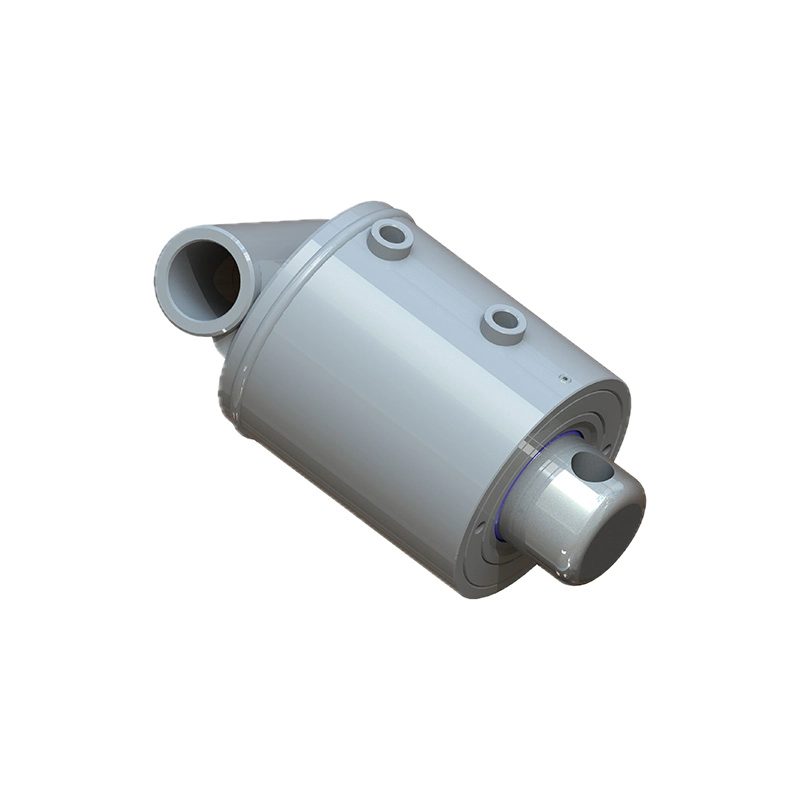
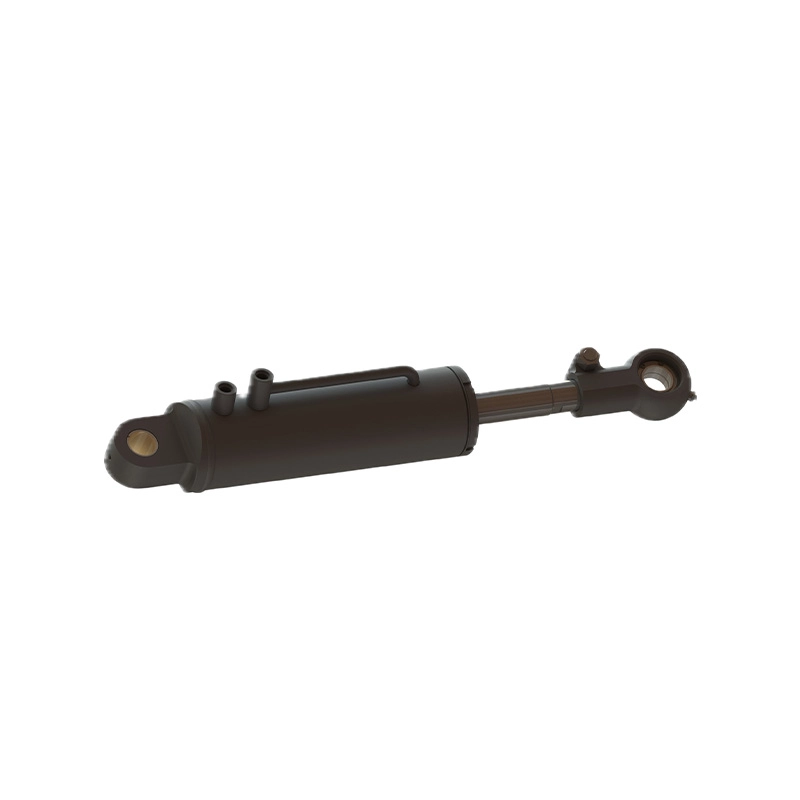
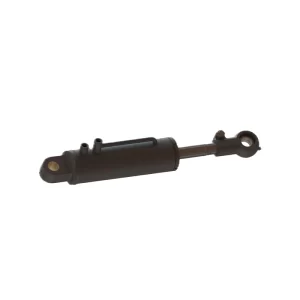
- Cylinders: Turn fluid pressure into straight motion to lift or tilt.
Each piece must work just right to stay reliable under different loads and work rounds.
Supporting Components Critical to System Functionality
Besides these chief elements, helper parts keep things going well:
- Reservoirs: Hold hydraulic fluid and allow for heat growth.
- Filters: Clean fluid of bits that could hurt seals or clog paths.
- Hoses and Fittings: Carry pressurized fluid safely between parts.
Good-quality components cut downtime and stretch service life. This is where makers like Shining Hydraulic stand out. They supply custom-made hydraulic cylinders fitted for work gear needs.
Keeping Forklift Hydraulics in Top Shape
Routine Maintenance Practices for Longevity
Regular care is key. At least, this should cover:
- Checking fluid levels each week
- Swapping fluids as per service times
- Looking at hoses, seals, and fittings for leaks or damage
- Testing valve quickness
Ignoring small leaks can cause big failures. Many operators find this out the tough way.
Importance of Using Correct Hydraulic Fluids
Hydraulic systems react to fluid traits. Always match thickness grade to room temperature and gear specs. Using wrong or dirty fluids can lead to too much heat, odd actions, or full system breakdown.
Check your service book or team up with suppliers like Shining Hydraulic. This trusted hydraulic cylinder manufacturer offers not just parts but help on setup match and better output.
Identifying and Resolving Hydraulic Problems
Recognizing Early Warning Signs of Issues
Listen for strange sounds like whining or banging during use. They often point to air bubbles or air in the lines. Other signs include:
- Slow lift reply
- Uneven movement
- Clear fluid leaks around seals or connections
Fixing these signs early stops pricey fixes later.
Troubleshooting Techniques for Common Failures
When issues pop up, begin by testing pressure at various spots with a gauge. If there is a big drop between pump exit and actuator entry, think of inside leaks or stuck valves.
Flow checks help find bad valves or worn cylinder seals. Heat imaging can show hot areas from rubbing or poor oiling too.
Step-by-step checking saves time over random part changes. And it ensures real fixes instead of quick patches.
Final Thoughts
Hydraulics are more than useful. They form the base for how forklifts handle stress. From raising tons to giving tiny exact moves, every action relies on a tuned hydraulic system. Quality parts and active care back it up.
To make sure your gear runs at its top, think about getting from experts like Shining Hydraulic. They get both the ideas and real challenges of forklift hydraulics. If you need a custom cylinder or full setup advice, expert help changes everything.
FAQs
Q: What type of hydraulic system is most common in forklifts?
Most forklifts use open-loop systems with fixed or variable displacement pumps.
Q: How often should I change forklift hydraulic fluid?
Typically every 1,000 hours of operation or as specified by your manufacturer’s manual.
Q: What causes slow lifting in forklifts?
Common causes include low fluid levels, clogged filters, or worn-out pump components.
Q: Can I use any hydraulic oil in my forklift?
No, always use manufacturer-recommended oil with correct viscosity and additive properties.
Q: What is Shining Hydraulic known for?
Shining Hydraulic specializes in manufacturing high-performance hydraulic cylinders and complete systems tailored for industrial machinery.