Introduction
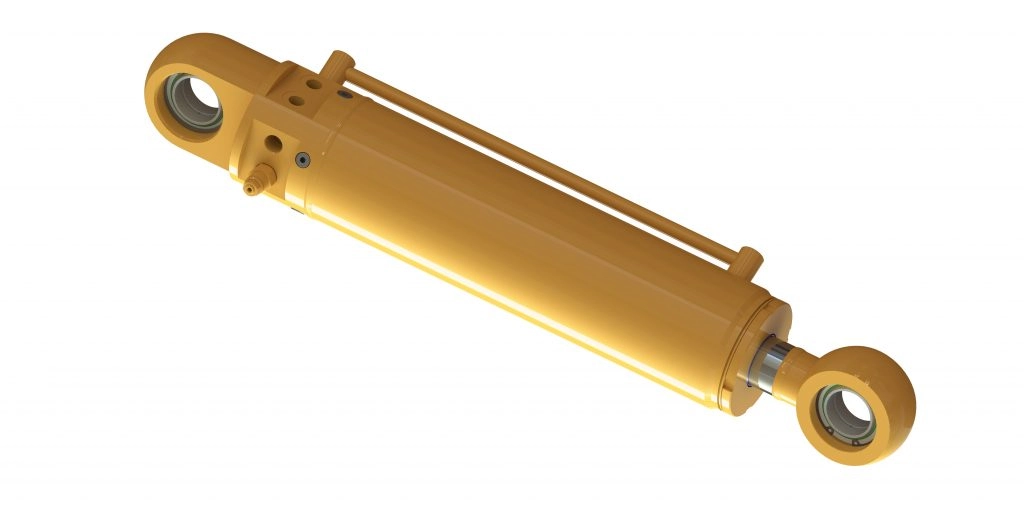
Hydraulic cylinders form the core of movement in today’s construction equipment. From raising and tipping to shoving and scooping, these strong devices turn fluid pressure into real force. Their success depends on exact design, right setup, and good fluid management. When any of these things go wrong, you might see leaks in seals, marks on rods, or total breakdowns.
Some machines deal with more strain because of their jobs or how they are made. Let’s look at which kinds face the biggest dangers – and the reasons behind it.
Machines with High Risk of Hydraulic Cylinder Failure
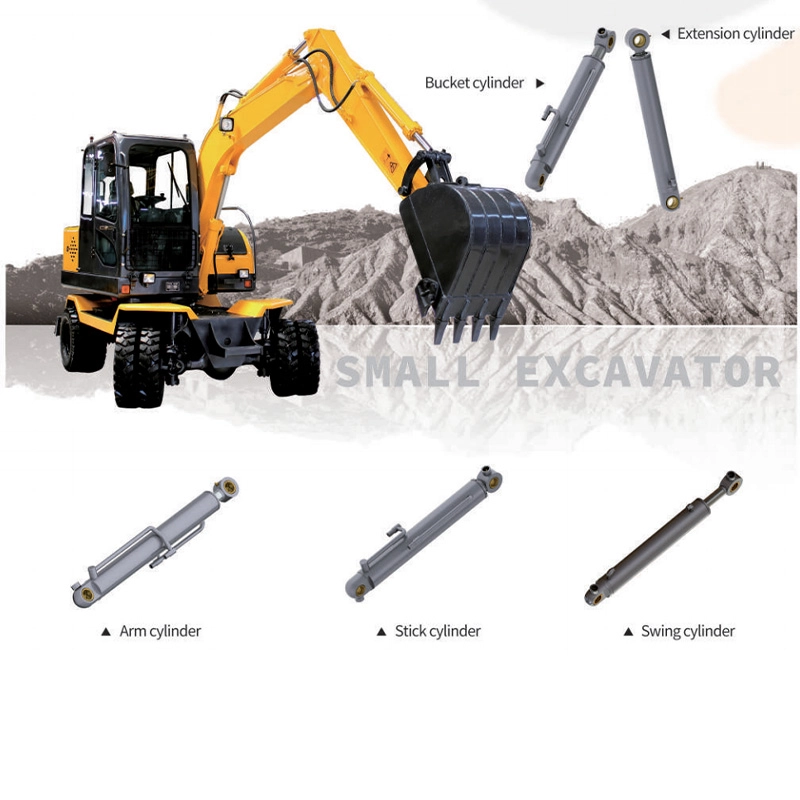
Excavators: High-Stress Digging and Lifting Applications
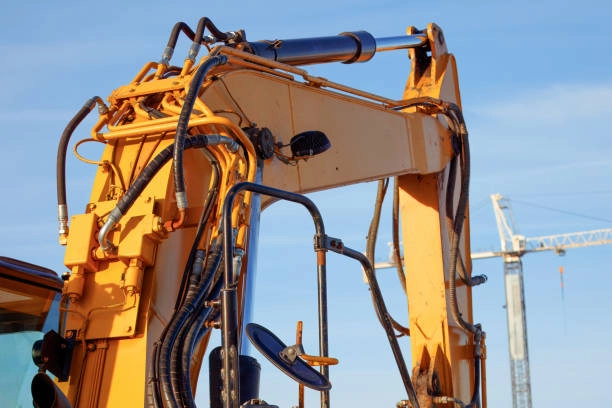
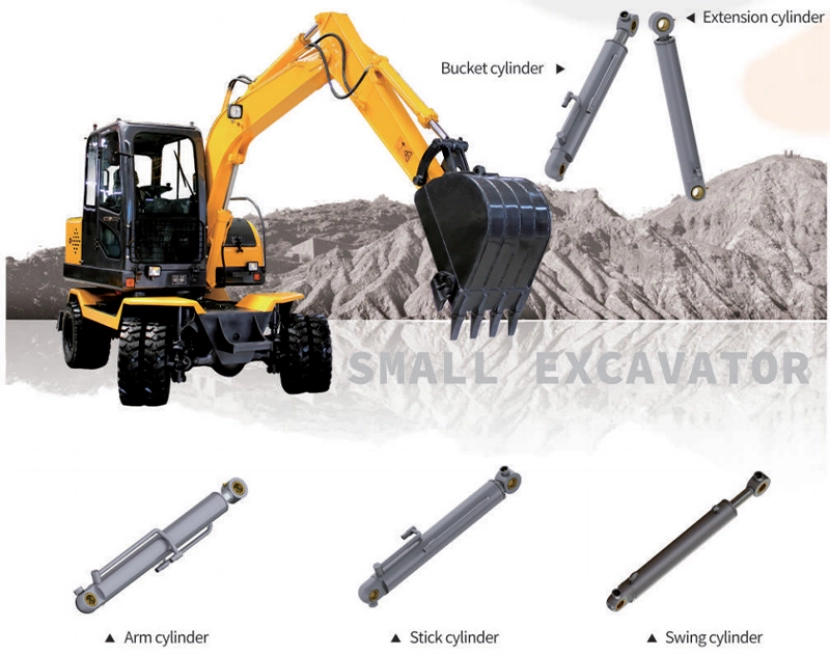
Excavators keep stretching and pulling back their arms while carrying weight. This repeated action puts heavy pressure on boom and arm cylinders. Big surges in pressure happen often during digging or picking up heavy stuff, especially if drivers start or stop quickly.
- Non-stop motion raises inner rubbing, which wears out seals quicker.
- Dirt like sand, rocks, and dust gets into the cylinder case during digging or breaking things down.
- Marked rods usually come from rough bits or bad rod coating.
In lots of situations, the mix of outside dirt and repeated heavy work makes excavators a main target for fluid system breakdowns if upkeep gets put off.
Loaders: Heavy Lifting Under Variable Load Conditions
Wheel and skid steer loaders often raise uneven or moving loads with their front scoops. The raise and tip cylinders take most of this changing stress.
- Uneven scoop loads lead to side pressure on cylinder rods. This can cause bending or wrong seal positions.
- Regular raising rounds heat the fluid fast, which makes inner parts grow bigger.
- Without enough cooling, seals break down from heat wear.
Since loader work usually includes quick, brief bursts of action, pressure jumps can show up without warning. So, fine-tuning the fluid controls becomes very important.
Backhoe Loaders: Dual-System Operation Challenges
Backhoes mix two fluid systems – one for the front loader and one for the back digging arm. Drivers switch between these tasks a lot during work.
- This switching creates uneven flow speeds through the setup.
- Doing both at once pushes total system pressure over safe levels.
- The small frame leaves little room for cooling parts, which raises overheating dangers in long sessions.
Backhoes also get used in narrow spots with tight moves. This boosts the odds of hits by accident or rod shifts – and both can lead to early damage.
Bulldozers: Push-and-Pull Forces on Blade Cylinders
Bulldozers deal with special fluid needs because of the steady pushback while moving dirt or junk with the front blade.
- Changing ground pushback leads to unsteady pressure in blade control cylinders.
- Blade angle changes add twisting loads on cylinder rods.
- Bumpy ground brings sudden shocks that can harm rod tips or fixing spots.
Unlike machines that lift, dozers face side force directions that are harder to guess. This makes strong cylinder fixing and pressure release setup really key.
Dump Trucks: Repeated Hoisting of Heavy Loads
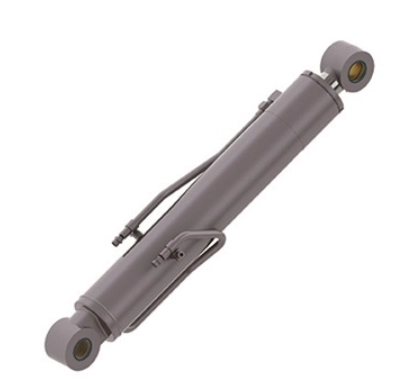
Dump trucks count on hoist cylinders to lift huge loads during dumping. These cylinders stretch out fully under big weight – sometimes while the truck sits on slanted or rough ground.
- Tipping at full stretch puts major strain on gland seals and end covers.
- Cold starts in the morning make fluid thicker, which hurts smooth running and boosts inner pressure jumps.
- Brief work rounds with heavy loads set up a perfect setup for pressure troubles.
Dump trucks in mining or big dirt jobs are extra at risk because of extra-large loads and tough ground.
Common Causes of Hydraulic Cylinder Failure in Construction Equipment
Several main reasons show up often across all machine kinds:
- Excessive Hydraulic Pressureover set limits causes seal bursts and tube shape changes.
- Contaminationfrom outside junk (dust, mud) or inner bits (from wear) harms inside surfaces.
- Misalignmentfrom frame bending or bad setup leads to uneven damage and rod curving.
- Thermal Stressfrom steady work without cooling causes seal weakening and fluid failure.
How to Reduce Hydraulic Cylinder Failure Risks in Heavy Machinery Operations
Optimizing Hydraulic Control System Settings for Each Machine Type
Setting the fluid control system right is vital:
- Setting pressure relief valvesmakes sure cylinders stay within safe ranges.
- Changing flow control settingsstops quick moves that cause shock hits on rods and mounts.
For example, in excavators or backhoes where fast direction shifts happen often, slower build-up settings can cut down on machine strain a lot.
Monitoring Hydraulic Pressure During Equipment Use
Tools for checking in real time are common in many groups now:
- Pressure sensorsplaced near cylinder openings can spot odd pressure jumps early.
- Keeping steady work pressures lowers wear on seals, specially in ongoing use.
This lets you do upkeep before problems hit – a way that cuts total stop time as time goes on.
Implementing Operator Training Focused on Machine-Specific Risks
Drivers have a direct part in making fluid parts last longer:
- Right load placing and smooth handling cuts down on wrong use failures.
- Knowing each machine’s limits stops over-stretching or too much force.
Even skilled drivers gain from quick training updates when switching machine types. What’s okay for a bulldozer could hurt a backhoe, you know.
Choosing the Right Hydraulic Cylinder Manufacturer for Construction Equipment Needs
A trusty fluid partner can really help with running time and fix costs. Shining Hydraulic focuses on making hydraulic cylinders and hydraulic systems fitted for construction machines. Their work on toughness, material strength, and build accuracy helps a bunch for equipment with heavy use cycles.
Main picking points include:
- Shownskill in supplying heavy-use applications like mining or road making.
- Use of high-strength steel alloys, hard chrome plating, and exact-cut sizes.
- Skill to handle custom cylinder designsbased on certain machine shapes or work needs.
With a group like Shining Hydraulic, you can match cylinder details to actual job settings – which drops long-run upkeep costs a ton.
Conclusion
Hydraulic cylinder trust isn’t only about good pieces – it’s also how those pieces work with load pushes, heat levels, driver ways, and fluid pressure changes. Getting which machines risk the most helps focus checks and improvements where they count.
FAQs
Q: What Are the Early Signs of Impending Hydraulic Cylinder Failure?
Leaking seals, weaker lifting strength, jumpy actions, or odd hissing noises during work often point to inner damage or dirt. Don’t hold off till output falls all the way – quick checks save stop time.
Q: How Does Operating Environment Affect Cylinder Longevity?
Tough settings speed up damage. Dusty areas raise dirt risks; cold air thickens fluid; very hot spots weaken seals faster.
Q: Can Different Machines Use the Same Type of Hydraulic Cylinder?
Not often. Most cylinders get made for exact stretch lengths, hole sizes, fixing ways, and pressure levels suited to their job.
Q: How Often Should Operators Check System Pressure Levels?
Best to do it once each shift – specially at start. For heavy-use gear like loaders or excavators, ongoing checks work well through screen displays or built-in tracking setups.