Hydraulic cylinders power many machines—cranes, excavators, presses, and even aircraft systems. But not all cylinders are made the same. At the heart of how they work lies a basic question: what is the best material for each hydraulic cylinder part? The answer depends on load, setting, pressure, and even cost—but one thing is sure: picking the wrong material can lead to early failure, expensive downtime, or worse.
Overview of Materials Used in Hydraulic Cylinders
Common Components and Their Material Requirements
A hydraulic cylinder isn’t a single piece—it’s a group of parts. Each one has its own material needs:
- Cylinder barrels: These hold the piston and keep the pressurized fluid inside. They must handle high internal pressure without bending or wearing out fast.
- Pistons and glands: These moving parts need steady shape and toughness under repeated load cycles.
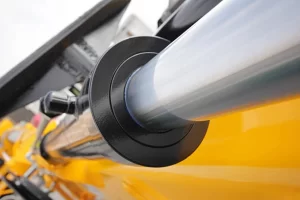
- Rods: Always out in the open, they need hard surfaces to fight scratches. And they require protection from rust for long-term strength.
- Seals: Though tiny, they’re key. They deal with friction, temperature changes, and harsh hydraulic fluids.
- Mounts: These take the mechanical stress of connecting and moving. So they demand solid strength.
Typical Material Choices for Each Component
Material picks must fit each part’s role:
- Barrels: Honed carbon steel or alloy steel gives both strength and wear protection. Honing makes a smooth inside surface to cut down on seal wear.
- Rods: Chrome-plated steel is common for its hardness and smooth finish. In ocean or chemical spots, stainless steel is better for fighting rust.
- Pistons and glands: Often cut from ductile iron (for strength), bronze (for slipperiness), or aluminum alloys (where weight matters).
- Seals: Polyurethane or nitrile rubber are used because of their bendiness and toughness against temperature and fluid contact.
- Mounts: Usually forged steel or cast iron, built to handle big structural stress.
Key Materials Used in Hydraulic Cylinder Construction
Steel and Its Alloys in Cylinder Applications
Steel stays the main choice for most hydraulic cylinders.
- Carbon steelis liked for its mix of strength, ease of shaping, and low price. It works fine in regular-duty jobs.
- Alloy steel, often boosted with things like chromium or molybdenum, gives better pull strength and resistance to tiredness. These traits make it great for high-pressure or high-use systems where material toughness is vital.
Stainless Steel in Corrosive Environments
In places where contact with water, chemicals, or saltwater can’t be avoided—like offshore rigs or food processing gear—stainless steel does well.
- Grades like 304offer decent general rust protection.
- 316 stainless steeladds molybdenum for stronger defense against chlorides—key in sea settings.
Though pricier than carbon steels, stainless provides longer working life where rust is a main worry.
Aluminum for Lightweight Hydraulic Systems
Aluminum alloys get used when weight is more important than raw power.
- Mostly in mobile gear like aerial platforms or farm machines.
- While itsweight-to-strength ratio is good, aluminum has lower give strength than steels. Designers often make up for it by using thicker walls.
It’s not right for high-pressure setups. But it fits well in low-pressure jobs that need easy movement.
Composite Materials in Specialized Applications
Composites—like fiber-reinforced plastics or carbon-fiber—aren’t common yet. But they show hope in special areas.
- Great rust protection and light weight make them fit for aerospace or medical tools.
- However, they can’t match metals for pressure handling or mechanical power yet.
Material Properties Critical to Hydraulic Cylinder Performance
Mechanical Strength and Load-Bearing Capacity
The cylinder must stand up to internal pressure and outside forces without changing shape:
- Key measures include yield strength, tensile strength, and fatigue life.
- Alloy steels are made to do well under cyclic loading conditions. That makes them perfect for high-cycle jobs.
Resistance to Wear and Surface Fatigue
Hydraulic rods slide through seals thousands of times each hour. Over time, this causes wear:
- Surface treatmentslike chrome plating or nitriding greatly boost wear protection.
- Contact surfaces must be smooth but hard enough to stop galling or damage from fluid movement.
Corrosion Resistance Based on Application Environment
Outdoor work, chemical contact, and cleaning processes all call for different rust plans:
- Stainless steel fights oxidation naturally thanks to its passive oxide layer.
- Carbon or alloy steels may get coatings like zinc plating or epoxy paint for extra shield.
Weight-to-Strength Ratio Considerations
For machines that move, every pound counts:
- Aluminum alloys cut down system weight. But they might need thicker walls to match steel’s mechanical work.
- When saving weight leads to better fuel use or easier handling, aluminum turns into a smart pick.
Thermal Stability Under Operating Conditions
Hydraulic systems get hot during use—sometimes a lot:
- Heat-treated steels keep hardness even under heat stress.
- Elastomer seals must fight heat breakdown; polyurethane deals with higher temperatures than nitrile rubber.
Factors Affecting Material Selection for Hydraulic Cylinders
Environmental Exposure During Operation
Where the cylinder runs plays a big part:
- Indoor spots may let you use basic carbon steel.
- Outdoor use needs materials or coatings that can stand up to rain, UV rays, or chemicals.
- Temperature changes affect how things expand—especially key for seals that must stay tight in all conditions.
Pressure Ratings and System Load Requirements
System pressure sets how strong your materials need to be:
| Pressure Range | Suggested Material Type |
| < 1500 psi | Carbon Steel / Aluminum |
| 1500–3000 psi | Alloy Steel |
| > 3000 psi | High-strength Alloy Steel |
Frequent pressure changes also need good tiredness performance—another spot where alloy steels beat cheaper metals.
Maintenance Frequency and Service Life Expectations
If maintenance breaks are long—or failures would cost a lot—spending on tough materials makes sense:
- Using chrome-plated rods or nitrided surfaces cuts wear.
- Rust-resistant materials stop surprise breakdowns from rust or holes.
Cost-Efficiency Over Product Lifecycle
Starting cost shouldn’t be your only measure:
- Stainless steel may cost more at first. But it could save money in places with lots of washing.
- Alloy steel often gives the best mix of lasting power and cost across many jobs.
Expert Recommendations on Material Selection Strategy
Matching Material Properties to Application Demands
Always begin with a clear grasp of your system’s working setup:
- What’s the running pressure?
- Will the cylinder face outdoor use?
- How often will it run cycles?
- What fluid will it use?
Work with engineers to turn these answers into material details that help system lasting and efficiency.
One manufacturer that stands out in this is Shining Hydraulic, a company focused on designing and building hydraulic cylinders fitted to specific machine needs. Their team aids clients in matching material traits with real-world work demands across fields.
Consulting with Manufacturers or Repair Specialists
Don’t guess—ask. When planning a new system or fixing an old one:
- Use maker knowledge on how different materials hold up in your setup.
- Custom cylinders may gain from mixing materials—like an alloy barrel with a stainless rod—to balance price with use.
Shining Hydraulic also offers setup-specific advice and custom making services—providing advanced material fixes for areas from building machines to factory automation.
Additional Resources for Engineers and Plant Managers
Material Specification Sheets and Engineering Standards
Good design starts with rules:
- Look at ASTM standards (e.g., A519 for seamless mechanical tubing) when picking steels.
- Manufacturerdatasheets list main traits such as yield strength, elongation, impact resistance—compare these closely against your running details.
Professional Support for Cylinder Repairs or Custom Builds
Repair workers often spot failure types linked right to bad material picks:
- Scored rods? Might’ve needed better plating.
- Cracked barrels? Maybe the base metal wasn’t tough enough.
Custom builds give a shot to pick better—from alloy upgrades to special seal materials—stopping future problems before they start.
Frequently Asked Questions About Hydraulic Cylinder Materials
Q: How do I choose between stainless steel and alloy steel?
If your job faces water, chemicals, or outdoor spots, stainless steel is worth the extra money. If your main goal is high load handling indoors, alloy steel gives better mechanical power at lower price.
Q: Is aluminum a viable option for high-pressure cylinders?
Not usually. While aluminum cuts weight—a bonus for moving gear—it has limited pressure handling. Best for low-pressure jobs where easy movement beats raw force.
Q: What surface treatments improve rod durability?
Chrome plating is the usual choice for cutting friction and wear. Induction hardening increases surface hardness more. In rusty spots, protective coatings like ceramic layers help stop rust over time.
Q: How do composite materials compare with metals?
Composites give top rust protection and light weight but lack in structural power. They’re hopeful in aerospace or light robotics but not fit for high-load factory use—yet.