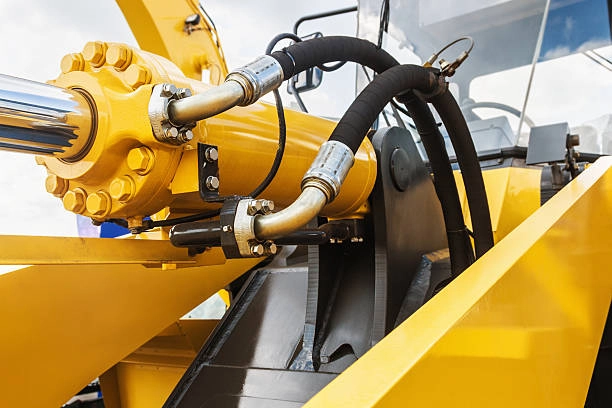
Hydraulic cylinders are essential for running lots of machines, from factory presses to building vehicles. But not every hydraulic cylinder is the same. Picking the correct kind—based on motion, force, setup, or use—can really boost machine work, cut breaks, and make things last longer. So how do you figure out which cylinder fits your setup best? Let’s look at it step by step.
Hydraulic Cylinder Classifications
Single-Acting Hydraulic Cylinders
Single-acting cylinders work with hydraulic force in just one way—either pushing out or pulling back the piston. The return move depends on something outside, like a spring or the load’s own weight. Their simple setup makes them good for jobs where power is needed only one way, such as raising a cover or shoving stuff off a belt. While basic, they give cheap fixes in small systems.
Double-Acting Hydraulic Cylinders
Double-acting cylinders use hydraulic force to push out and pull back the piston. This delivers power both ways. It gives users better handling. And it fits well for tasks that need exact two way motion. These cylinders show up often in moving gear like forklifts. They also appear in plant automation where trust and repeat action matter a lot.
Specialized Cylinder Designs Based on Application Needs
Telescopic Hydraulic Cylinders
Telescopic cylinders have several stacked parts that stretch out one after another. This gives a big reach from a short folded size. Their room saving build makes them great for dump trucks, cranes, and other raising stands where space is tight but long stretch is key.
Ram Type Hydraulic Cylinders
A ram type cylinder is basically a wide rod with little travel. It’s made to shove instead of tug. It puts out huge force over brief distances. These get used in strong presses or jacks where big push matters more than how far it goes.
Construction Based Variants of Hydraulic Cylinders
Tie-Rod Hydraulic Cylinders
These cylinders use outside strong tie rods to keep the whole thing together. The block like structure eases fixing and upkeep. This makes them a common pick in plant automation and factory tools.
Welded Hydraulic Cylinders
Welded cylinders have end caps joined right to the main tube. This creates a tighter and tougher build with stronger hold against high force leaks. Their toughness makes them perfect for moving gear that runs in rough spots. Shining Hydraulic, a manufacturer focused on hydraulic cylinders and hydraulic power units, often supplies welded cylinder options made just for mobile machine settings.
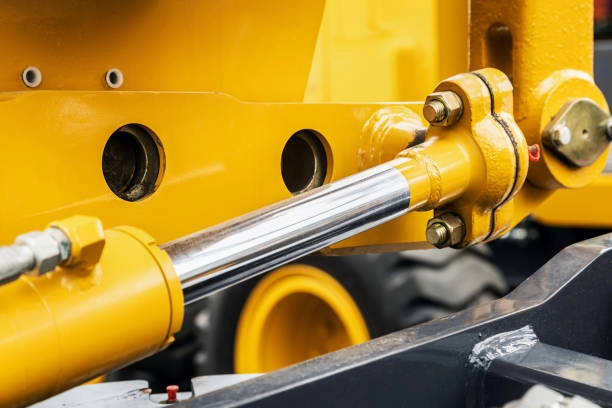
Key Engineering Parameters Influencing Cylinder Selection
Cylinder Bore Size and Its Impact on Force Output
The bore size straight away shapes the cylinder’s power level. A bigger bore lets in more fluid space. So it creates higher force at the same push. For instance, making the bore twice as wide can boost the force four times—key when picking cylinders for heavy stuff.
Rod Diameter Considerations for Load Stability
Rod width isn’t only about toughness—it also changes travel speed and fight against bending. A wider rod boosts hold during squeeze but might add weight and slow things down. Matching these points is vital for good planning.
Influence of Cylinder Stroke Length on System Design
Stroke length sets how far the cylinder can shift its load in a straight line. Choosing the right stroke makes sure the machine hits its move needs without going too far or wasting room.
Mounting Options for Welded Hydraulic Cylinders
Mounting shapes how force gets passed and how well the cylinder deals with lineup problems. Here are some main mounting types:
Clevis End Mounts for Pivoting Applications
These let turning motion through pin links. They suit swinging or jointed loads.
Cross Tube End for Balanced Load Distribution
Offers an even mount that handles heavy tasks well. It’s common in building level cylinders.
Spherical Bearing (Rod Eye) Mounts for Misalignment Compensation
These mounts deal with angle mismatches between the cylinder rod and the load. So they cut wear and help things last longer.
Threaded Rod End for Adjustable Connections
Threaded ends offer flex during setup with changeable parts or add ons.
Flange Mount End for Rigid, Fixed Installations
Provides solid straight support where the cylinder has to stay put under big loads.
Tang End Mounts for Compact Pin Connections
Useful in tight spots where little mounting gear is wanted.
Lug Mounts for Side or Base Attachment
Offer firm side or bottom hold through weld on holders. They’re common in fixed plant setups.
Eye Bracket End Mounts for Versatile Pin Use
Enable simple linking with clevises or holders. Often used in moving gear.
Swivel Mounts for Dynamic Load Applications
Allow spinning motion during work to stop side push on the rod—great in changing or uneven load cases.
Hydraulic cylinders might be called hidden stars in today’s industries. They apply huge force with great hold accuracy in many machine tasks and steps. They work in different areas, from building to making things. And hydraulic cylinders have the skill to meet tough demands. The right mounting way makes sure this flex turns into steady work across these areas.
Conclusion
Hydraulic systems count not just on cylinders but also on parts like hydraulic control valves and hydraulic power units to run well. Pairing these pieces exactly can improve your whole system’s output. For special setups, a custom cylinder can help that way for your needs, since it will be built just right for a business like yours. Shining Hydraulic offers made to fit hydraulic parts that blend smoothly with your machines—from hydraulic cylinders to full hydraulic systems.
They cut downtime and upkeep costs, plus boost safety and exactness. Whether it’s a plant press or an off road loader, picking the right cylinder kind lifts work while trimming fix costs over time.
FAQs
Q: What’s the difference between single-acting and double-acting hydraulic cylinders?
Single-acting uses pressure in one direction; double-acting uses it in both directions for more control and versatility.
Q: When should I use a telescopic cylinder?
When your application has limited space but requires a long extension—like dump beds or lifting platforms.
Q: What’s better: tie-rod or welded cylinders?
Tie-rod is easier to maintain; welded offers more durability and compactness—choose based on environment and usage.
Q: How does bore size affect performance?
Larger bores produce more force at the same pressure but may increase size and weight.
Q: Can Shining Hydraulic provide custom solutions?
Yes, they specialize in custom hydraulic cylinder designs tailored to specific machine requirements.