Choosing the right hydraulic aerial lift can make or break your project’s efficiency. Whether you’re tackling construction, maintenance, or facility management jobs operating heavy equipment, the best choice depends on the height, reach, and space limits of your site. For most professionals, scissor lifts offer steady vertical access. Boom lifts provide extra reach. Atrium lifts handle tricky indoor areas. Let’s look at how to match each type to your work needs. We can also see how custom hydraulics can boost performance.
Understanding Hydraulic Aerial Lifts
Hydraulic aerial lifts are key tools in today’s industrial and business tasks. They depend on pressurized hydraulic systems to raise workers and materials safely to high spots.
Types of Hydraulic Aerial Lifts
Overview of hydraulic scissor lifts and their applications
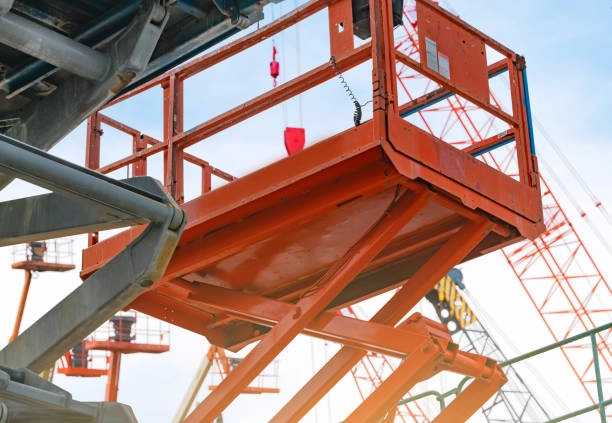
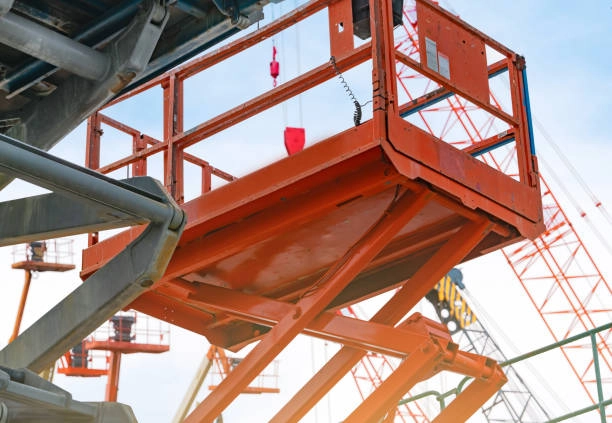
Scissor lifts play a big role in construction, maintenance, and business projects. They give dependable vertical movement in small spaces. These lifts use a crisscross setup powered by hydraulic cylinders to go up and down with care. At the core of every scissor lift is its hydraulic system. This system drives the platform’s rise and fall. They work well for inside jobs like fixing ceilings or setting up in warehouses. Stability counts more than side reach in those spots.
Features and uses of hydraulic boom lifts
Boom lifts mix height with bendiness. Their stretchable arms—either straight or jointed—let operators get past barriers or work on bumpy land. People often use them outside for building sides or fixing utility lines. The hydraulic setup makes sure of easy stretching and pulling back, even with weight on it.
Atrium lifts with hydraulic systems and their benefits
Atrium lifts, sometimes known as spider lifts, have small shapes that slip through tight doors. But they stretch out a lot once in place. Their hydraulic legs keep them steady on uneven spots. These fit best for inside atriums or churches. Standard aerial work platform models just won’t go there.
Choosing the Right Aerial Lift for Your Job
Picking the correct aerial work platform means looking at both tech details and site setup.
Factors to Consider When Selecting an Aerial Lift
- Job site conditions: Check the ground type—smooth concrete or rough dirt—to pick if you need tires or tracks.
- Lift height requirements: Measure the top working height. Scissor lifts often reach 20–40 feet. Boom lifts can go over 100 feet.
- Platform size: Bigger platforms hold more workers. But they need extra room.
- Weight capacity: Think about the full load with tools. Going over limits can cause harm or wobble.
Comparing Different Hydraulic Aerial Lifts
Each lift type brings its own strengths based on the job’s demands.
Pros and cons of scissor lifts for various tasks
Scissor lifts stand out for steadiness. But they miss out on side reach. Their basic build leads to cheaper upkeep. They have fewer parts that move. Hydraulic systems last a long time. They also need less fixing.
Advantages of boom lifts for reaching high or awkward positions
Boom lifts do great when you want bendiness. They help with painting tall buildings, cutting trees, or mending power lines. The downside is more expense. You also need better training to run them.
When to choose atrium lifts for specialized jobs
Atrium lifts work for projects with slim entry points but big height needs. Think hotel lobbies or museums. Their light builds avoid floor harm. At the same time, they keep strong lift power.
Enhancing Efficiency with Custom Hydraulics
Custom hydraulics can turn plain aerial work platforms into fine-tuned tools for your routine.
Benefits of Custom Hydraulic Solutions for Aerial Lifts
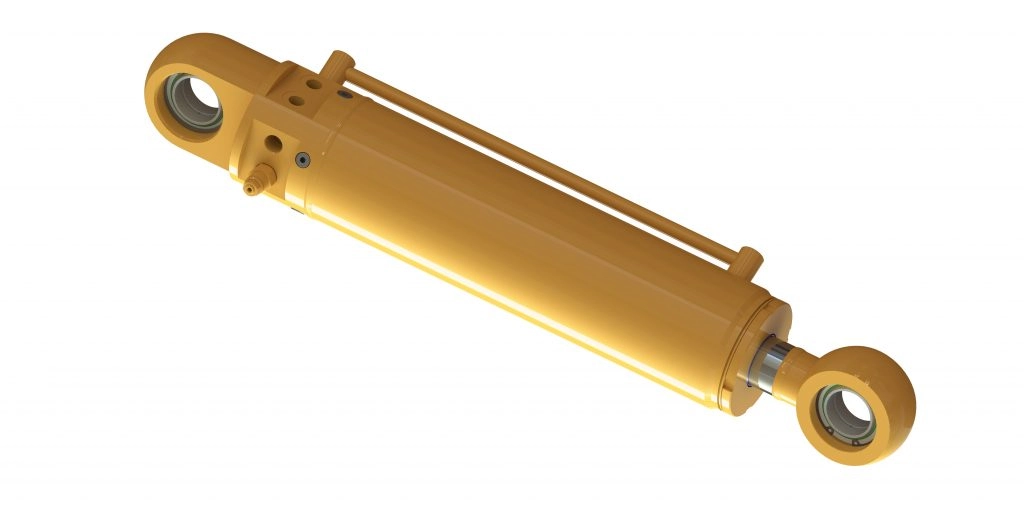
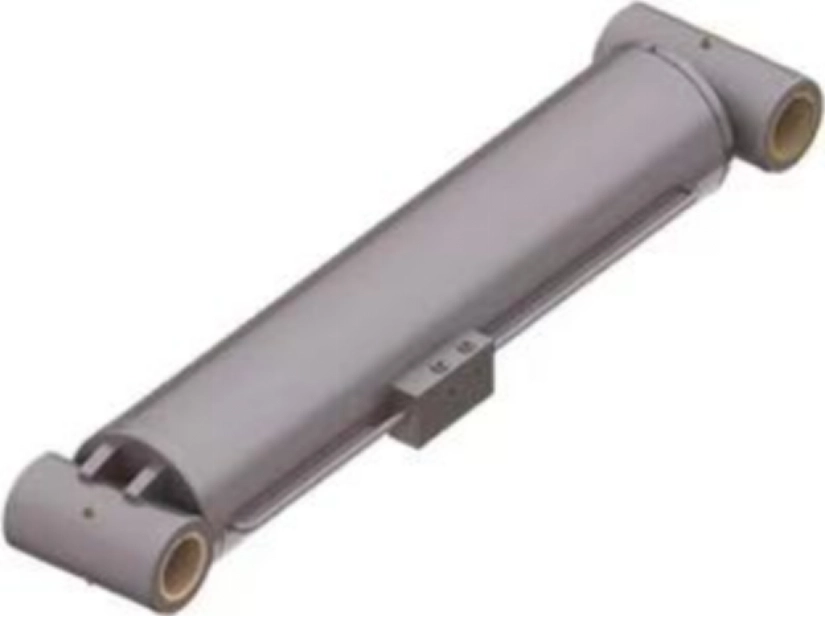
They bring better speed and output. Custom-made cylinders speed up reactions under big loads. A special hydraulic cylinder is a flexible item that only your company can get. This setup saves power while doing its job. So, this tailoring leads to smoother control of up and down shifts.
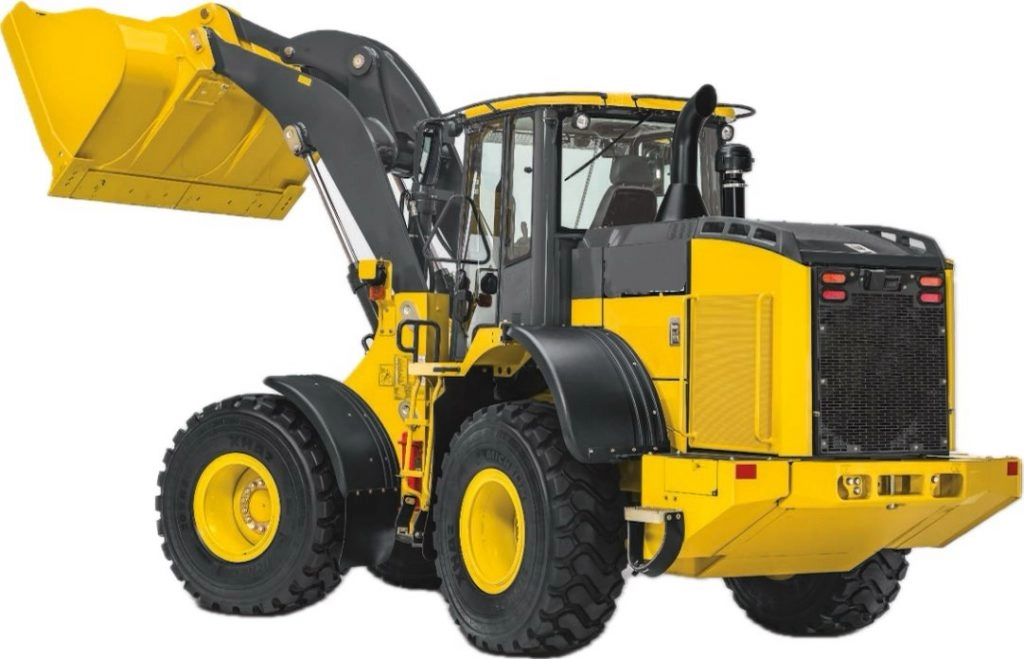
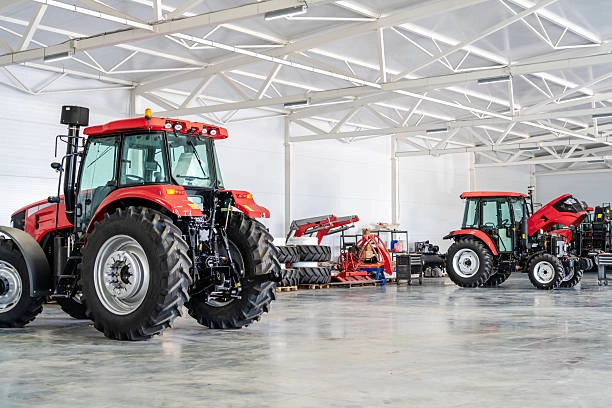
Less stop time and fix costs come from parts made just for your use. These beat off-the-shelf swaps. In the long run, this brings steady gains in output for jobs operating heavy equipment groups.
Fitting hydraulics also ups safety accuracy. That’s key in fields like construction or aerospace. There, exact work stops pricey accidents.
Maintenance Tips for Hydraulic Aerial Lifts
Steady care keeps your aerial platform lift running well over its years.
Regular Maintenance Practices
Daily checks should cover fluid amounts, hoses, seals, and control valves. Steady looks at fluid levels, hoses, and cylinders keep output even. Cleaning parts stops dirt buildup. That could hurt seals or start drips.
Key maintenance tasks:
- Replace worn hoses promptly.
- Test emergency shut-off valves regularly.
- Monitor hydraulic fluid temperature during extended use.
Troubleshooting Common Issues in Hydraulic Systems
Usual troubles include slow rise speed or bumpy moves. These often stem from air in the setup or low fluid. Spotting drips early stops pressure drop. That might stop work halfway. A quick look is the easiest and best way to check before techs come.
Safety Considerations for Operating Aerial Work Platforms
Safety is a must. It’s built-in when you work high with strong hydraulics.
Essential Safety Practices
Operators need full training programs before touching any aerial lift model. Always use harnesses tied to tie-down spots on the platform. Skip quick turns while up high. This can tip balance, even on firm ground machines.
Before each shift:
- Conduct pre-use checks on brakes and controls.
- Verify emergency descent functions.
- Ensure clear communication among team members below.
Understanding Safety Features in Modern Aerial Lifts
New models have pressure watchers, stop switches, tilt warnings, and load alerts. All these block wrong use or breakdowns in action. Hydraulic scissor lifts stand out here. They add safety boosts without losing speed. These built-in guards cut operator danger nicely.
Yantai Shining Hydraulic focuses on making custom hydraulic cylinders for gear like aerial work platforms. Each business has its own needs for hydraulic cylinders. By creating order-made systems that fit your work aims just right, Shining Hydraulic cuts stop time. It also raises trust in every project size—from small inside units to big outside booms.
FAQs
Q: What type of aerial lift is best for indoor maintenance?
Scissor lifts are ideal due to their compact design and stable vertical movement.
Q: How often should I service my hydraulic aerial lift?
Typically every three months or after 150 hours of operation depending on manufacturer guidelines.
Q: Can custom hydraulics improve fuel efficiency?
Yes, tailored systems reduce energy waste by matching cylinder output precisely to workload demands.
Q: What safety gear should operators wear?
Harnesses with lanyards attached to designated anchor points are mandatory along with helmets and gloves.
Q: Are electric-powered scissor lifts suitable outdoors?
They perform best indoors; outdoor use requires engine-driven models capable of handling uneven terrain.