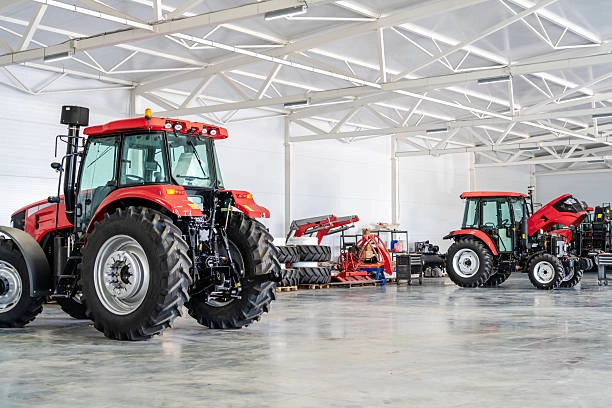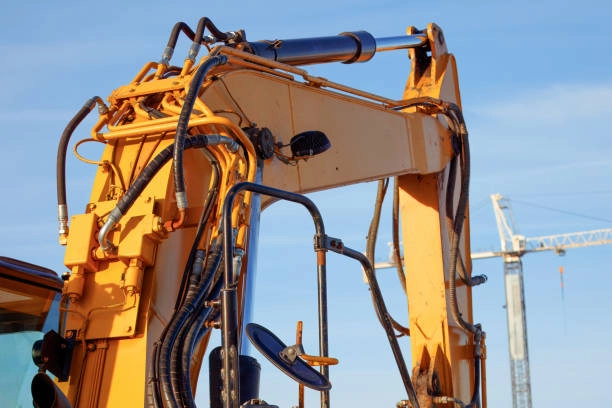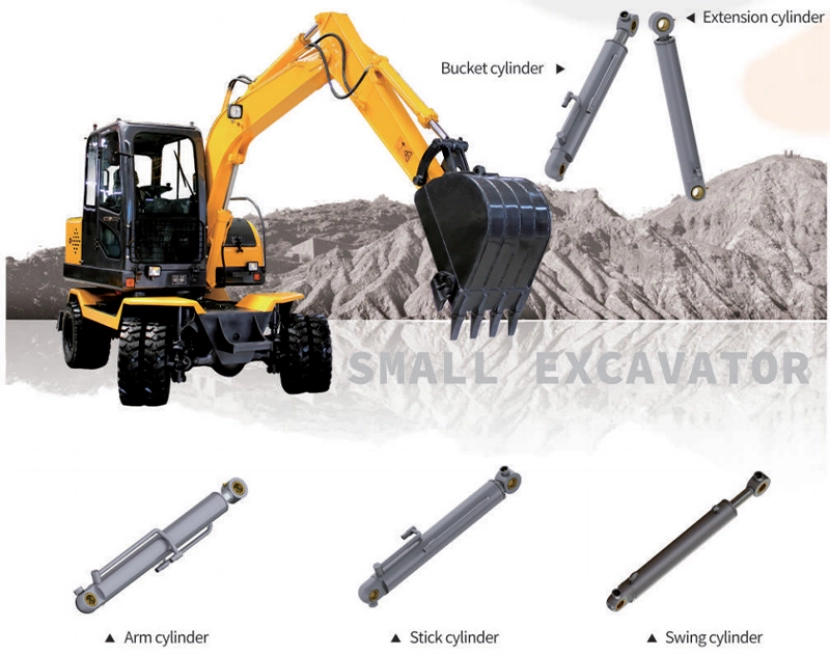
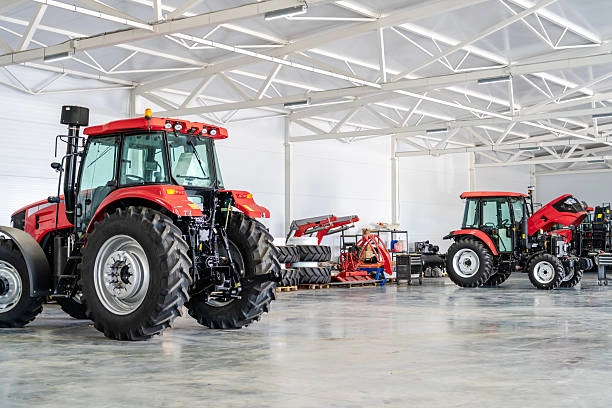
Hydraulic cylinders act as hidden power sources in today’s farming gear. They turn fluid power into mechanical strength. This lets tractors raise, tilt, steer, and run tools with accuracy. Without them, the speed and flexibility of farm equipment would fall a lot. In the changing world of farm tech, hydraulic cylinder application shows how well a tractor works in actual field settings.
Role of Hydraulic Cylinders in Agricultural Machinery
Hydraulic cylinders serve as key parts that add motion and control to tractors and other farm machines. They supply the power for raising heavy tools, steering over bumpy ground, and changing equipment angles for best results. In short, they link hydraulic power systems to real movement.
Their job goes past simple motion. They make sure work runs smoothly under changing weights. They keep steady pressure on tools. And they help workers gain exact control in tough jobs like plowing or loading. For OEM hydraulic cylinders manufacturers such as Shining Hydraulic, building these parts means finding a good mix of toughness, speed, and dependability for hard farm settings.
Key Applications of Hydraulic Cylinders in Tractors
The use of hydraulic cylinders in tractors covers many systems. These systems team up to boost output. Each area needs its own design thoughts to fit the job.
Front Loader Lift and Bucket Control
Front loaders depend on hydraulic cylinders for lift power and bucket handling. These cylinders let farmers load dirt, feed, or plant food quickly. They keep things steady too. Farmers can tweak bucket angles just right. This makes handling stuff accurate. It cuts down on waste and speeds up the work.
Steering Cylinders for Agricultural Terrain
Farm ground is seldom smooth or easy to predict. Steering cylinders give tractors the quick moves needed to handle rough fields safely. They offer fast steering response even with big loads or wet spots. This helps drivers stay in charge without too much work.
Three Point Hitch Lift Cylinders
The three-point hitch setup is a classic part of today’s tractors. Its lift cylinders handle the up-and-down moves of hooked-up tools like plows or seed planters. Fast up or down actions improve field work. They also allow quick tool swaps. This is a big help for getting more done each day.
Auxiliary and Implement Cylinders
Besides main jobs, extra hydraulic cylinders grow tractor skills by running add-ons like harrows, sprayers, or bale holders. This range makes one tractor fit for many tasks over the farm year. It’s a smart choice for budget-minded workers who want gear that does a lot.
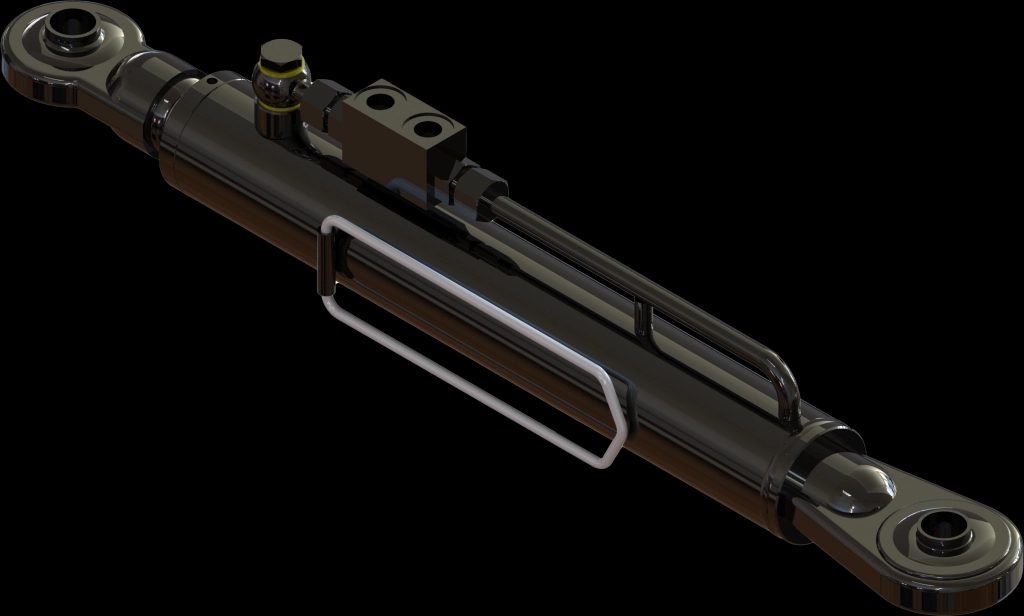
Engineering Requirements for Tractor Hydraulic Cylinders
Building hydraulic cylinders for agricultural machinery calls for close watch on performance details. These details affect how long they last and how safe they are.
Welded Cylinder Strength and Structural Reliability
Welded styles are favored in farming. They stand up to tiredness from ongoing heavy weights. Strong build keeps the cylinder in shape after thousands of uses under high push. It avoids drips or bends. This matters a lot when working big tools or raising heavy stuff.
Bore, Stroke, and Pressure Requirements for Agricultural Loads
Each cylinder needs a bore size and stroke length made for its job. Bigger bores give more lift power. But they need extra fluid. Longer strokes reach farther. Yet they must fit within frame limits. Pressure levels decide how a cylinder deals with shifting weights without slowing down.
| Parameter | Typical Range | Purpose |
| Bore Diameter | 50–150 mm | Determines lifting force |
| Stroke Length | 200–800 mm | Controls range of motion |
| Working Pressure | 160–250 bar | Defines load-handling capacity |
Side Load Handling for Loader and Attachment Systems
Side loads happen when outside pushes hit a cylinder rod from the side. This is common in loader arms or slanted add-ons. Good bearing setups spread these pushes evenly inside. They cut down on wear to seals and make the part last longer.
Seal Technology for Dirt, Fertilizer, and UV Exposure
Farm settings put gear in touch with dust, wet, plant food, and sun. These can harm seals. Better seal stuff fights swelling from chemicals. Wipers block junk from getting inside the cylinder. This guard lowers fix times by a good amount.
Corrosion Resistance for Agricultural Chemicals
Plant food and bug killers can eat away at parts over time. So, rod and barrel surfaces get chrome plating or nickel covers to stop rust. A rust-proof layer keeps piston slides smooth. It works even after long time in tough chemicals.
Material and Surface Protection Options for Agricultural Conditions
Hydraulic parts face steady outside stresses. Think gritty dirt bits to damp air. They need strong guards for that.
Rod Coatings for Abrasion and Corrosion
Hard chrome plating is still a top pick. It has a great mix of hardness and smoothness. But fresh coatings like ceramic mixes do better against scrapes and chemical hits. They make the part work longer in bad spots.
Barrel and Component Protection
Barrels can get powder coats or epoxy paints. These fight chips from flying bits and block wet. Inside walls might get honing to help seals work better. It also cuts down on rub losses when running.
Wipers and Contamination Control
Good dirt control begins with strong wiper setups at each rod end. These parts wipe off mud or dust before it slips into the cylinder space. It’s a tiny thing. But it stops early breakdowns from inside scratches or dirty oil.
Custom Cylinder Advantages for Tractor OEMs
For tractor makers (OEMs), off-the-shelf fixes often don’t cut it. Unique work conditions call for special performance traits.
Tailored Solutions for Specific Applications
Custom-built hydraulic cylinders let OEMs add exact sizes, mount setups, or valve plans that fit their machine design. This tailoring boosts match-up. It also makes setup easier on production lines.
Enhanced Performance Through Specialized Design
With better bore-to-stroke balances or built-in sensors for spot checks, custom builds improve system quickness. The outcome is easier runs with less power waste. This means better fuel use and worker ease in daily jobs.
Validation and Testing Requirements for Tractor Hydraulic Cylinders
Every solid hydraulic part goes through tough checks before big production for OEM use.
Pressure and Cycle Testing
Cylinders face repeated pressure pushes that copy years of field work. This checks that weld spots hold up under steady stress. It’s like in lift jobs or tool controls.
Environmental Contamination Testing
Tests put parts in dirt, wet rooms, or chemical mists. They prove seal strength against outside junk. This is key when working near plant food or wet tanks.
Corrosion Testing
Salt mist tests copy long exposure to rust makers on farms by the sea or with lots of chemical plant food. Only stuff that passes long-hour marks gets OEM okay.
Cold Start Performance
Tractors often fire up on chilly early mornings. So cold-start checks make sure oil thickness works with seal stretch. This keeps things smooth in below-zero cold without drip chances.
How Shining Hydraulic Supports Tractor OEM Engineering Teams
Shining Hydraulic works hand-in-hand with tractor OEMs. They offer regular product ranges and full custom fixes built to match mechanical needs. The firm’s design group gives tech help at every step. This goes from idea sketches to test models. It makes sure parts fit right into current machine setups.
By mixing making skills with real farm gear know-how, Shining Hydraulic supplies oem hydraulic cylinders that tackle today’s farm issues straight on: toughness under push, fit for many jobs, and steady work over tons of hours. All these traits push farm output ahead.
FAQs
Q: What makes hydraulic cylinders vital in tractors?
They convert fluid pressure into linear motion required for lifting implements or controlling attachments efficiently.
Q: How do custom OEM hydraulic cylinders benefit manufacturers?
They ensure perfect fitment with specific machine architectures while enhancing operational efficiency through tailored design features.
Q: Which materials best resist corrosion in agricultural environments?
Nickel-chrome plated steel rods combined with epoxy-coated barrels provide excellent protection against chemical exposure.
Q: Why is seal technology critical in farm hydraulics?
It prevents contamination from dirt or fertilizer ingress that could cause internal wear or oil leakage over time.