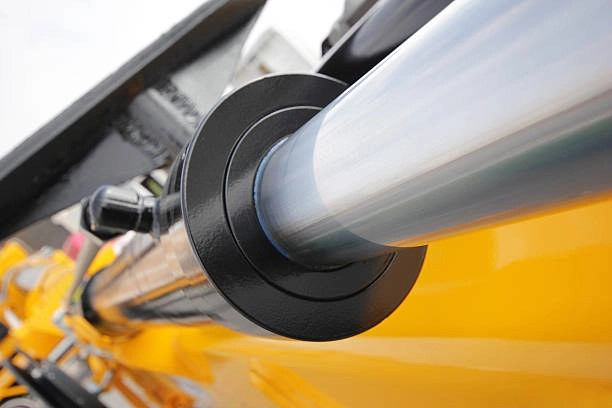
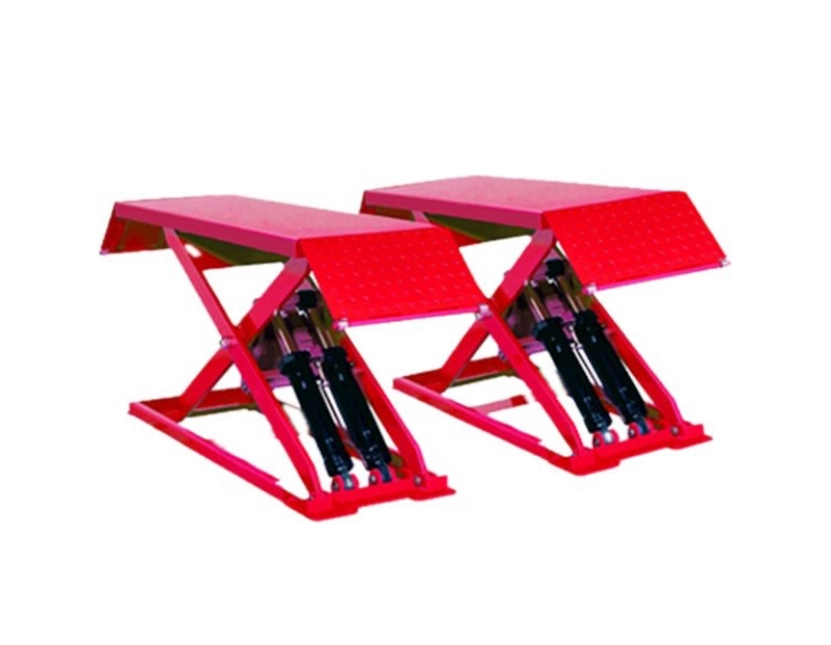
Car lift hydraulic cylinders form the core of today’s automotive lifting setups. They change hydraulic power into mechanical action, letting you raise and lower vehicles with ease and security. The smooth running, protection, and lasting power of these cylinders hinge on careful design, solid materials, and steady upkeep. If you’re in automotive repair or mechanical engineering, grasping how they function and what shapes their output matters a lot.
What Car Lift Hydraulic Cylinders Do
The hydraulic cylinder in a car lift acts as the key mover. It turns pressurized fluid into straight-line movement. Hydraulic fluid flows into the chamber and drives the piston up. This builds the lifting power. When you release the pressure, gravity or backward fluid flow brings the vehicle down softly. So, it shifts fluid strength into mechanical work well. That keeps the up-and-down motion even.
Many mechanics in auto shops count on these cylinders. They let you place vehicles exactly where needed for repairs. Scissor lifts are auto repair machines used in the auto repair industry. They’re also called the hydraulic lift because the lifting is conducted by hydraulic cylinder, it plays a vital role in the maintenance of automobiles. This shows just how key hydraulic action is in current service gear.
Main Components of a Car Lift Hydraulic Cylinder
Every car lift cylinder includes a few vital parts that team up:
- Cylinder barrel – holds the pressurized fluid and sets the stroke length.
- Piston and rod assembly – moves the force from fluid pressure to mechanical action.
- Hydraulic cylinder seals – stop leaks and hold the inner pressure.
- End caps and bearings – offer firm support and proper lineup.
Safety Factors in Car Lift Hydraulic Cylinders
Protection tops the list in any lifting gear. One breakdown could put workers and vehicles at risk.
Importance of Reliable Hydraulic Cylinder Seals
Seals might seem minor, but they handle huge duties. They keep pressure steady by blocking leaks inside chambers. If seals wear down or get dirty from grit or bad oil, pressure drops fast. That can cause shaky moves or total stoppage.
You should check for early clues during routine looks, like oil spots near connections or slower lifts. Swap out bad seals right away. This stops further harm to pistons or rods. And it keeps things running steady.
Structural Integrity and Pressure Ratings
Each hydraulic cylinder carries ratings for certain loads and pressures based on its build. Pushing past those limits might bend the barrel or break welds.
Plus, tests for fatigue check if cylinders stand up to repeated strain without splits over time. That’s crucial for shops running lifts around the clock on busy days.
Maintenance Practices for Safe Operation
Safe running relies on good design and regular attention:
- Look at hydraulic fluid levels often. Low oil might let air bubbles in.
- Examine hoses and connections for splits or drips before use.
- Swap filters now and then to keep fluid pure.
- Stick to the maker’s plan for oiling moving parts.
When you follow these steps, you cut down on stoppages. You also stretch out the gear’s life. That helps both output and safety rules.
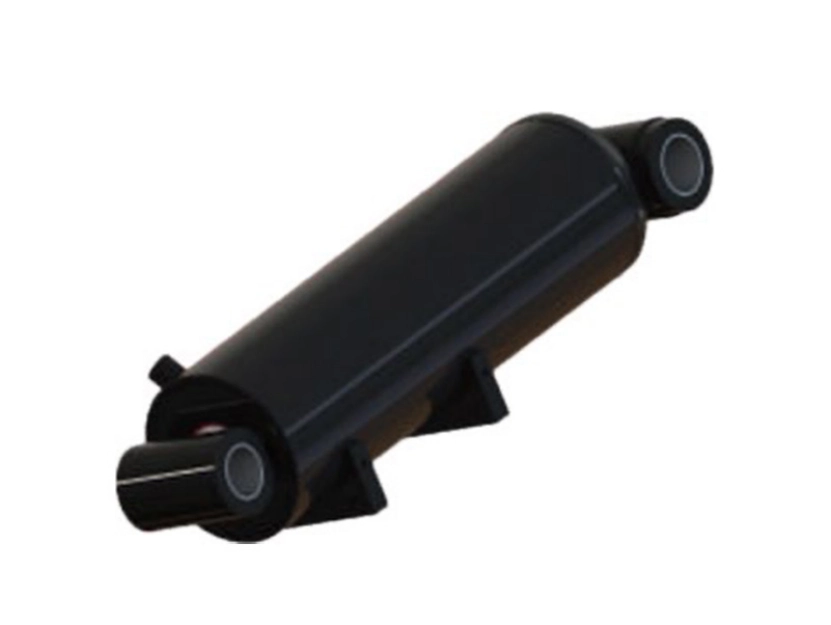
Performance Factors That Influence Efficiency
Efficiency shows how well a car lift handles loads without losing power or wearing out fast. Things like piston accuracy, seal strength, and fluid state set the balance between force and durability.
The Role of the Hydraulic Cylinder Piston in Smooth Operation
The piston controls how force spreads evenly in the chamber. Careful crafting cuts down on rubbing between parts. So, motion stays fluid even when speeds change. Good lineup between the piston rod and barrel avoids side pressure. That’s a usual reason for uneven wear on seals or inner surfaces.
Top pistons not only make work smoother. They also save energy. You lose less power fighting inner drag.
How Seal Quality Affects Performance Efficiency
Seal tech shapes energy use directly. Strong seals cut down on inner leaks, or slip. That would otherwise weaken lifting force. Materials that resist heat keep their bounce under long heat from steady runs.
Also, smart seal shapes speed up reactions in start-and-stop actions. This helps a lot in full service spots where lifts work often all day.
Fluid Quality and System Compatibility
Hydraulic setups depend on clean fluid flow. Dirty oil brings in rough bits that score pistons or jam valves. Always pick fluid that fits the manufacturer’s advice. Wrong types can break down rubber seals too soon.
Oil checks now and then spot early dirt signs, like darker hue or metal bits. Both mean you should change it fast to guard the whole system.
Choosing the Right Hydraulic Cylinder for Car Lifts
Picking the best hydraulic cylinder goes beyond just size. You must think about load needs, space limits, weather exposure, and stroke distance.
Key Specifications to Consider Before Purchase
Before you buy a new one:
- Figure out load capacity from the heaviest vehicle weight.
- Pick stroke length that covers the full raise height.
- Confirm bore size matches your speed goals.
- Ensure mounting type fits the current frame.
- Weigh setup conditions like dampness or wild temps that hit material strength.
These details make sure the lift design matches what you expect. They also lower chances of early breakdowns.
Custom Solutions from Shining Hydraulic
For special jobs that need custom engineering, Shining Hydraulic offers fitted designs for different car lift types. The company’s skills cover areas like construction gear, mining tools, farm machines, and auto service platforms. Our full method mixes product creation with exact making to give reliable outcomes in tough spots.
Our hydraulic cylinder barrels are crafted from robust, cold-drawn tubing, while our welded structures feature a sturdy and dependable design that significantly enhances the overall strength of the cylinder. These units are capable of withstanding burst pressures reaching up to 72.5 MPa.
Furthermore, our piston rods undergo high-standard electroplating surface treatments and have successfully passed rigorous 96-hour Level 9 salt spray corrosion tests, thereby vastly improving their resistance to rust and wear. Through these sophisticated engineering designs and meticulous material selections, we guarantee that every component maintains exceptional durability throughout years of intensive, repetitive use.
Enhancing Longevity Through Proper Usage Practices
Even sturdy cylinders need careful use to reach their full life. Smart prevention cuts surprise halts. It also keeps steady output over years.
Preventive Maintenance Strategies
Set up a care plan based on how often you use it. This catches issues early:
- Check seals after a few thousand runs.
- Fix rusted rods quick before spots grow.
- Wipe outer parts clean of dust that might slip past old wipers.
- Log every care step. Records help guess when to swap parts next.
This kind of steady work turns fixes from urgent to planned. It saves time and money in the long run.
Benefits of Partnering with a Trusted Manufacturer
Teaming with skilled manufacturers brings real perks past just getting products:
- You get sure knowledge that units pass global safety checks via full tests.
- Tech help makes setup easier, like lining things up or fixing early snags.
- Original parts stay available for exact fits without cutting safety edges.
Superior engineering with professional technical teams ensures the hydraulic products keep the characteristics critical to your equipment’s operation. Long-term ties build real trust. Both sides gain from pooled know-how. That’s more key as machines grow trickier year by year.
FAQs
Q1: What causes hydraulic cylinder seals to fail most often?
Seal failure usually results from contamination inside the system or excessive heat causing material degradation over time.
Q2: How often should I replace hydraulic fluid in my car lift?
Typically once per year or sooner if contamination signs appear such as discoloration or metal particles in oil samples.
Q3: Can worn pistons affect lifting stability?
Yes—uneven piston wear leads to inconsistent pressure distribution which can cause jerky movements during elevation cycles.
Q4: Why does my car lift lower slowly even after servicing?
Possible reasons include air trapped in lines or partially blocked return valves restricting flow rate back into reservoir tanks.
Q5: What materials are best for corrosion-resistant hydraulic rods?
Hardened steel rods with advanced electroplating treatments offer superior resistance against rust especially in humid workshop environments.