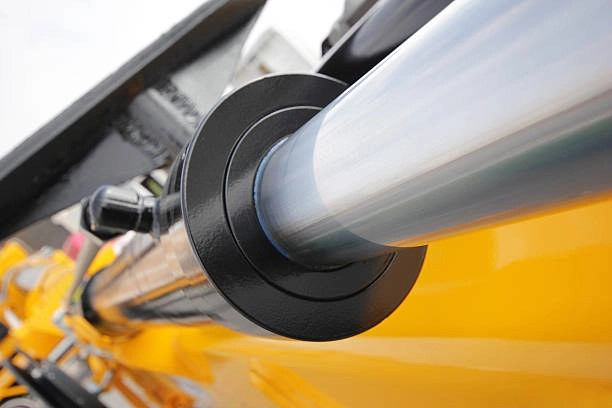
Hydraulic cylinders sit at the core of today’s equipment. They silently turn hydraulic power into robust, exact straight line action. Picture them in hefty construction diggers or neat farm balers. Their trustworthiness decides if machines handle stress well. The trip from idea to complete unit demands careful engineering. It mixes spot-on design, material know-how, and quality oversight.
What Is a Hydraulic Cylinder
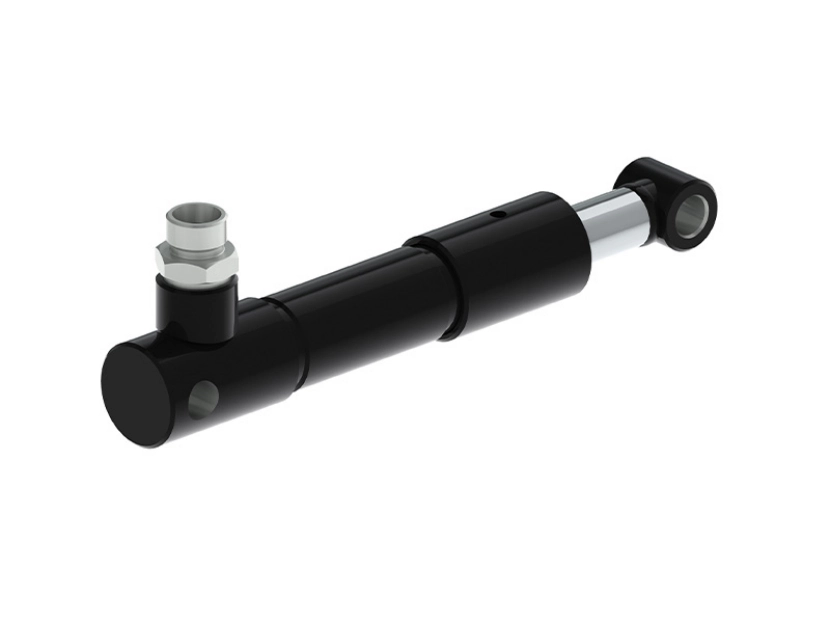
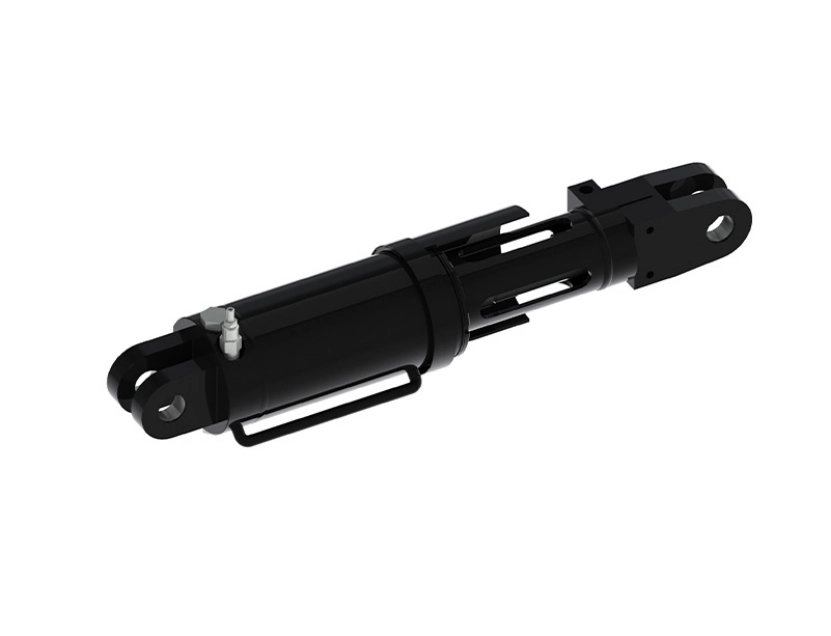
A hydraulic cylinder changes fluid energy into straight mechanical push and travel. It has core pieces—a barrel, piston, rod, seals, and end caps. All these parts team up to create motion with fluid under pressure. People use these cylinders a lot in building gear, farm machines, and factory setups. There, you need steady force and movement.
Types of Hydraulic Cylinders
Hydraulic cylinders mostly split into two kinds:
- Single Acting Hydraulic Cylinder – works one way with hydraulic pressure; the pullback relies on gravity or spring.
- Double Acting Hydraulic Cylinder – applies hydraulic pressure to both stretch and shrink, good for steady or repeated tasks.
Your choice between single acting and double acting hinges on load path and control needs. Take lifting platforms—they often pick single acting for up-down work. Excavator booms, though, depend on double acting for managed back-and-forth.
The Design Phase: Turning Requirements into Engineering Solutions
A good cylinder starts when you really get its purpose. Designers then shape those details into sharp engineering blueprints.
Gathering Technical Requirements
Engineers kick off by spotting the gear kind, work conditions, and load setups. They pin down details like stroke length, bore size, operating pressure, and mounting method early on. Fitting it to the current hydraulic setup guarantees top results. It avoids overworking pumps or valves.
Engineering Design and 3D Modeling
With specs set, designers craft thorough CAD drawings. These lay out the inner structure and outer measurements. They pick materials for durability and defense against wear or rust. That’s essential for tools in gritty or damp areas. Finite element analysis (FEA) runs models of stress spread under varied loads. This forecasts how it’ll act before building test versions.
Material Selection and Preparation
What you choose for materials can build or ruin a cylinder’s staying power. Raw strength won’t cut it by itself. Surface quality and seal fit count too.
Choosing the Right Materials for Performance and Durability
Top quality steel stays the go-to for barrels and rods. It offers great tensile strength. For longer life, they use finishes like hard chrome plating to fight rust. Seal options shift with heat levels and fluid sorts. Nitrile rubber fits routine jobs. Fluorocarbon seals manage hotter spots better.
Machining Raw Materials into Precision Components
Making starts by slicing raw steel tubes to set lengths. Then they do turning, boring, honing, and grinding. Honing smooths the inside to ease friction between piston seals and barrel sides. Tight machining holds close limits. This keeps leaks down, even at peak pressure.
Assembly Process: Building the Hydraulic Cylinder
Machining leads straight to putting things together. Here, exact parts form a whole hydraulic driver primed for checks.
Component Inspection Before Assembly
Every piece gets a size check with gauges or coordinate measuring machines (CMM). They eye surface finishes or use profilometers to meet smoothness marks. They scrap any bad part on the spot. This holds steady quality over production runs.
Step-by-Step Assembly Procedure
Installing Seals and Bearings
Fit seals with caution and good lube to stop rips on entry. Off-kilter seals lead to early breakdowns when oil pressure kicks in.
Assembling Piston and Rod into Barrel
Workers guide the piston-rod group into the barrel with steady tools. This dodges scrapes on inner walls. A tiny groove might spark leaks in time.
Securing End Caps and Fittings
Bolts or welds lock end caps in place, per the plan. Right torque makes seals tight. It also preserves build strength under weight.
Testing and Quality Control Procedures
No assembled cylinder ships without hard tests. Everyone follows the rules.
Pressure Testing for Performance Verification
Hydrostatic tests prove each one takes its full pressure rating without warp or drip. Then come leak checks with oil or air in water baths. These catch small defects the eye misses.
Dimensional Accuracy and Functionality Checks
Techs confirm stroke length matches, rod ends line up, and motion flows even over full cycles. Strange rattles or stutters hint at inside drag. That calls for tweaks or redo.
Surface Treatment and Finishing Processes
With mechanical proof in hand, they turn to shielding faces from outside harm.
Protective Coatings for Longevity
Paint or powder coats shield the outer shell from rust in tough spots like mine fields or build areas. Chrome plating boosts scrape resistance on bare piston rods. Those deal with nonstop dust rub in action.
Labeling and Final Inspection Before Packaging
Finished units pick up tags with model, specs, batch code, and check logs. A last scan verifies it’s spotless, paint holds up, and it fits buyer rules before pack approval.
Packaging, Delivery, and Customer Support After Production
Clearing checks brings the endgame: safe delivery without a scratch.
Secure Packaging for Safe Transportation
Teams wrap cylinders in guards like rust-block film or soft padding to block marks in travel. Tailored wood boxes or tough pallets steady them versus jolts on far trips.
On-Time Delivery and After-Sales Assistance from Shining Hydraulic
Logistics groups set up on-schedule sends globally via solid haulers. Buyers get complete files, test papers included, at drop-off. Tech help lingers for setup advice or issue fixes post-sale. It shows their customer focus across all steps, from blueprint to support.
Continuous Improvement in Manufacturing at Shining Hydraulic
Ideas keep flowing after lines settle in. Steady upgrades push market strength worldwide.
Advancing Production Efficiency Through Technology Upgrades
CNC machining centers sharpen exact build skills. Automation cuts worker slip-ups. It raises repeat success in big batches of single acting hydraulic cylinder units. Auto test setups boost quality evenness. They drop biased hand-check flaws.
| Technology | Benefit | Application |
| CNC Machining | Higher dimensional precision | Cylinder rods & barrels |
| Robotic Welding | Uniform seam quality | End cap joints |
| Automated Leak Testing | Faster QC turnaround | Batch verification |
Commitment to Quality Assurance and Customer Satisfaction
Putting quality upfront, Shining Hydraulic runs full tests and looks at each production stage. This makes sure items deliver as promised. Routine checks lock in ISO match. Buyer thoughts drive step-by-step tweaks to single acting hydraulic cylinder plans. They also refine double acting hydraulic cylinder builds for global construction tools.
What really marks Shining isn’t only the tech. It’s the drive—“to do our best to meet customer needs, create higher value with steady and serious character.” That approach ensures every cylinder works well and holds up where it counts: in the field, driving actual gear day by day.
FAQ
Q1: What’s the difference between single acting and double acting hydraulic cylinders?
Single acting cylinders move in one direction using fluid pressure; double acting ones operate both ways under pressure control for more complex tasks.
Q2: How long does it take to manufacture a custom hydraulic cylinder?
Depending on complexity—usually between 2–6 weeks including design validation and testing phases.
Q3: Why is chrome plating important on piston rods?
It protects against corrosion and wear caused by environmental exposure during operation.
Q4: What tests ensure a hydraulic cylinder’s reliability?
Hydrostatic pressure tests verify strength; leak tests confirm sealing integrity; dimensional checks guarantee correct stroke length alignment.
Q5: Can damaged seals be replaced without full disassembly?
Minor external seals sometimes yes—but internal seal replacement usually requires partial disassembly under controlled workshop conditions for safety reasons.