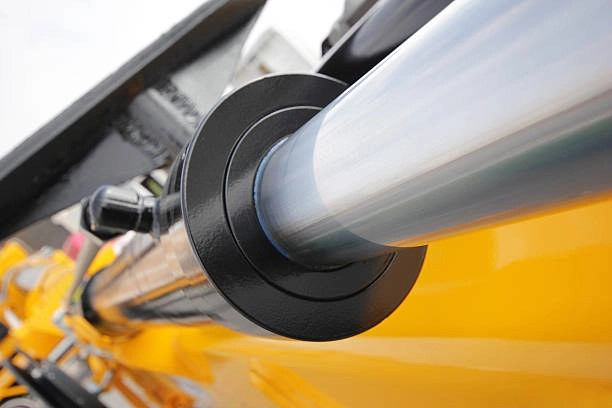
Hydraulic cylinders serve as the powerhouse for heavy equipment. They turn hydraulic energy into straight-line movement. Picking the right cylinder size decides if a machine operates smoothly or fights against its workload. When bore, stroke, and rod sizes match the system’s pressure and load needs, things run better. Wear drops, and energy waste lessens. Bad sizing, though, can create uneven motion, harm seals, or lead to total breakdowns.
The Importance of Proper Cylinder Sizing
Right sizing brings top performance and safety to heavy machines. If you pick a cylinder that’s too small, it puts extra strain on seals and parts. One that’s too big slows everything down because it needs more fluid. You have to balance power, speed, and energy use carefully. In everyday use, a well-sized cylinder keeps lifting speeds steady even as loads change. It avoids stressing the pump or valves.
Key Factors Influencing Cylinder Selection
You choose a cylinder based on a few connected elements.
- Load requirements: The full force required for lifting or pushing.
- Operating pressure: This sets how much load a certain bore can manage.
- Stroke length: It sets the distance of travel.
- Mounting configuration: This impacts alignment and the kind of motion.
- Environmental conditions: Heat, cold, or dirt levels guide material and seal picks.
Look at all these together. Skip one, and you risk early breakdowns or wasted effort.
Core Parameters in Hydraulic Cylinder Design
Engineers start by looking at three main details—bore size, stroke length, and rod diameter—before selecting a model or building one. This way, the cylinder suits its job perfectly.
Bore Size and Its Role in Force Generation
The bore’s width controls the force a hydraulic cylinder produces. Force comes from pressure times area. A wider bore gives more lift power. But it also demands more fluid for each stroke. This choice affects speed and overall efficiency. Take these examples:
| System Pressure (bar) | Bore Diameter (mm) | Output Force (kN) |
| 150 | 80 | 75 |
| 200 | 100 | 157 |
| 250 | 120 | 282 |
Choose the right bore to get enough strength without making the pump or fluid tank too large.
Stroke Length Considerations
Stroke length sets how much the piston rod moves out or in. Pick a good one to avoid clashes at full reach or pullback. Most designers add some extra space for cushioning at the ends. That stops hard hits. A short stroke cuts the machine’s range. A long one just raises costs and takes up more room without reason.
Rod Diameter and Buckling Resistance
The rod’s thickness helps it stay steady when compressed. A sturdier rod fights bending better. Yet it weighs more and costs extra. Engineers apply Euler’s formula. They figure the buckling limit based on rod length and how it’s mounted. In long-stroke setups for mobile cranes or dump trucks, you need solid buckling checks. Otherwise, the rod might bend during heavy pushes.
Matching Cylinder Specifications to Equipment Needs
Sizing involves more than shapes. You must fit the working setup for long-term dependability.
Determining Load Requirements for Heavy Equipment Applications
Heavy gear deals with steady lifts and sudden jolts. When figuring loads, engineers factor in:
- Shocks from quick halts.
- Side forces on rough terrain.
- Safety margins—often 1.25 to 1.5—to cover surprises.
Get the load right. That avoids designs too weak for safe use.
Selecting Pressure Ratings for System Compatibility
A cylinder’s pressure limit has to fit the pump’s output and valve strength. If the rating falls short of system pressure, seals might fail or the tube could swell. High-pressure setups call for strong materials. Think honed steel tubes with exact seals to block leaks. Add relief valves for protection against quick pressure jumps that could hurt parts.
Common Mounting Types Used in Heavy Machinery
After settling internal sizes, the mounting type shows how the hydraulic cylinder connects to the machine’s frame.
Clevis Mounts
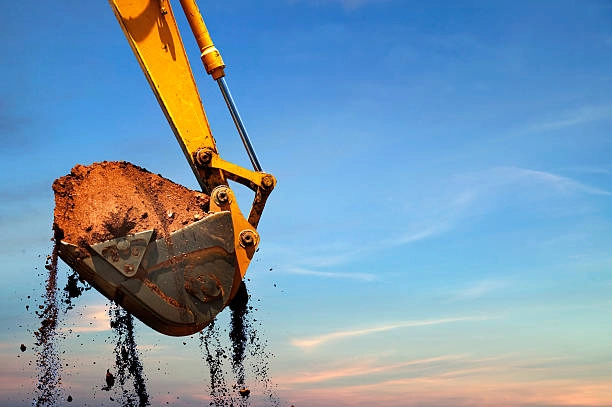
Clevis mounts let the cylinder pivot. They work well for mobile gear like excavators or loaders. There, angles shift during tasks.
Trunnion Mounts
Trunnion mounts give firm backing. Use them in tough jobs needing steady angle shifts, such as arms on mining shovels.
Flange Mounts
Flange mounts create solid links. They suit fixed presses or factory setups. There, you need exact positioning over many cycles.
Material Selection and Seal Options for Durability
What you pick for materials shapes how long the cylinder lasts in rough spots.
Choosing Cylinder Materials Based on Application Environment
Steel cylinders offer great toughness for building sites or mines. Impacts matter most there. Stainless steel fights rust in wet or chemical areas, like near water or harsh chemicals. Aluminum keeps things light for vehicles on the move. Saving weight boosts fuel savings.
Seal Types That Enhance Performance and Longevity
Good seals keep hydraulic cylinders from leaking over time:
- Polyurethane seals take high pressure with little rubbing damage.
- Nitrile seals do fine in normal heat levels.
- Coatings like PTFE boost seal life around gritty fluid bits.
Keep up with lubrication. It cuts friction on moving parts and stretches out repair times.
Testing, Maintenance, and Optimization Practices
A great design still needs checks before real work.
Performance Testing Before Installation
Test each cylinder with hydrostatic pressure at its limit. This proves the structure holds and spots leaks at ports or welds. Check alignments between mounts too. That prevents side strains that wear the rod fast once it’s on the machine.
Maintenance Tips for Extended Service Life
Set regular checks to keep things running:
- Look at rods for scratches or rust.
- Swap seals right away if leaks show near the gland.
- Use clean hydraulic oil. Fit good filters. Dirt causes most early failures in these systems.
Optimizing Cylinder Efficiency Over Time
Watch pressure levels during use. They signal early seal wear inside. Fix worn pieces quickly. This cuts downtime, especially in fleets where stopped machines mean lost money.
How Shining Hydraulic Supports OEMs with Custom Solutions
Off-the-shelf parts often fall short for special jobs. Custom builds help OEMs fine-tune performance in different fields.
Tailored Hydraulic Cylinder Designs for OEM Applications
Shining Hydraulic crafts custom sizes to fit exact loads and movements. Our engineers team up with OEM partners. They guide from initial ideas to final builds. This ensures sizes match the machine’s motion paths spot on.
Quality Assurance and Global Support
Every cylinder gets thorough quality tests before shipping. Shining Hydraulic offers tech help for setup, upkeep, and follow-up service. We serve clients worldwide in construction, mining, farming, and handling materials. This full support shortens design time. It also upholds steady reliability everywhere.
FAQs
Q1: How do I calculate the required bore size for my hydraulic cylinder?
Multiply desired force by safety factor then divide by system pressure; take square root of result divided by π/4 to find bore diameter approximately.
Q2: What happens if my hydraulic cylinder is oversized?
Oversized cylinders slow operation speed due to higher fluid volume demand leading to inefficient energy use.
Q3: How often should hydraulic seals be replaced?
Typically every 2–3 years depending on duty cycle intensity but always after visible leakage appears around gland areas.
Q4: Can aluminum cylinders handle high-pressure applications?
They’re best suited for low-to-medium pressures since aluminum lacks tensile strength compared with steel alloys used in heavy-duty systems.
Q5: Why does my cylinder drift when holding a load?
Internal leakage past piston seals or valve seat wear allows fluid bypass causing gradual movement even without external command signals.