Choosing the right custom hydraulic cylinder goes beyond just dimensions or pressure ratings. It involves asking smart questions before you place an order. Each question you pose can avoid expensive redesigns, boost performance, and prolong equipment life. The gap between a solid cylinder and an outstanding one often comes down to how well the buyer and manufacturer talk things through during the design phase.
Why Custom Hydraulic Cylinders Require Careful Planning
Custom cylinders need to fit exact equipment and performance demands. They aren’t simple stock items. Instead, these are built components that must blend smoothly into bigger setups. If specs lack detail—like a wrong bore size or stroke length—you might face jerky movement, leaks, or total failure under load. You ask thorough questions to guarantee fit and lasting dependability. This lines up every tech detail with actual job needs.
A tiny slip in planning can grow into major downtime expenses down the road. Many engineers and buyers view early talks as a key part of managing risks, not just an extra task.
The Role of Communication Between Buyer and Manufacturer
Buyers and manufacturers must communicate clearly for sharp results. Good talks let manufacturers craft exact fixes. Every bit—from mounting style to seal material—shapes how well it works. When you share full details on your setup, it cuts down on design mistakes. Plus, it makes sure the math for pressure, speed, and load holds up.
Shining Hydraulic stays customer-focused in every step, from design to after-sale help. This mindset shows how teamwork leads to stronger tech and better costs for OEM clients around the world.
Key Questions About Performance Requirements
These set not just how it functions but also the safety buffers.
What Are the Operating Pressure and Load Conditions?
The top working pressure sets the cylinder’s toughness and seal picks. You should outline peak pressure along with usual run cycles. Steady use differs a lot from occasional runs when it comes to wear over time. The load’s direction—pull or push—plus weight spread and how often it runs all shape the piston rod size and wall build.
You match the cylinder to your expected runs to skip overbuilding, which hikes costs, or underbuilding, which invites trouble. Many find it useful to note steady forces and shock loads both.
| Parameter | Typical Consideration | Design Impact |
| Working Pressure | Maximum system PSI/bar | Determines wall thickness & seal rating |
| Load Direction | Push/Pull/Bi-directional | Affects rod diameter & bearing length |
| Duty Cycle | Continuous/Intermittent | Influences material fatigue resistance |
What Stroke Length and Bore Size Are Needed?
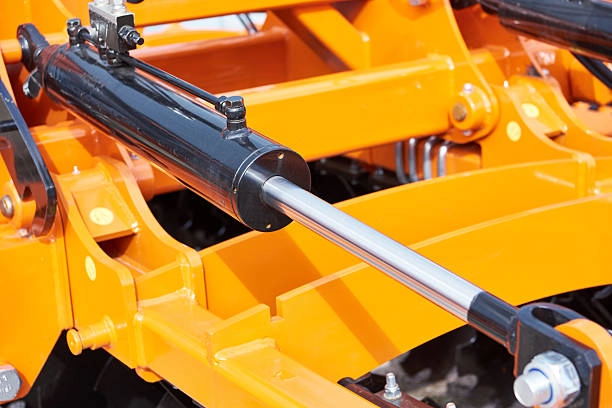
Stroke length sets how much your machine’s part moves each time. A short one cuts what you can do. A long one just adds extra cost without gain. Bore size controls the push force from the hydraulic pressure. Bigger bores deliver more power but need extra fluid.
Designers check that these sizes work in your machine’s limits, like frame space or full-in length caps. You can use early 3D models with manufacturer advice to dodge clash problems during setup.
Questions About Design and Material Selection
Performance goals are set. Now turn to the physical setup.
Which Mounting Style Works Best for Your Application?
Mounting decides how forces pass from the cylinder to the frame. You see clevis mounts for swing moves, trunnion for shifting loads, or flange for firm links. Proper setup cuts side stress, which wears things out fast.
Talk space issues with the manufacturer right away. Often, a mount switch eases fitting or upkeep without changing the job.
What Materials Are Suitable for Your Working Environment?
You pick materials based on the hydraulic cylinder‘s spot. In open air or sea settings, you need rust-proof layers like nickel-chrome or stainless rods. Hot spots in factories or mines call for seals that handle heat without breaking down.
Think about dirt too. Dusty farm areas might need scrapers to guard inner seals. You go over seal choices, finishes, and rod options with your supplier to build toughness for your conditions.
Questions About Hydraulic System Compatibility
The best-built cylinder still flops if it doesn’t mesh with your current hydraulic setup.
How Will the Cylinder Integrate with Existing Systems?
Fit checks cover port sizes, thread fits, and mount links with pumps, valves, and lines you already have. You confirm system pressure matches the cylinder’s limits to prevent unsafe mismatches. Manufacturers like Shining Hydraulic, often help by looking at your hydraulic drawings.
What Type of Hydraulic Fluid Will Be Used?
Fluid choice impacts seals more than anything. Regular oils vary from synthetics in makeup. Some make standard seals expand, others contract them. Heat range affects oil thickness too. Thick at start slows things. Thin in heat cuts lube.
You always name the fluid type or ISO level in your specs. This lets us pick matching parts during build.
Questions About Quality Assurance and Testing
Quality checks split dependable gear from chancy ones in tough jobs like building sites or mine rigs.
How Does the Manufacturer Test Cylinder Performance?
Does each one get hydrostatic checks at 1.5 times the rated pressure? Do they run wear tests that mimic real use? Leak hunts during motion spot build strength before shipping. You verify they meet standards like ISO 6020/6022 for global swaps. Knowing their check steps builds trust that every piece hits the mark every time.
What Quality Control Measures Are in Place?
Tracking counts when you run fleets over many spots. You learn about systems that follow steel lots from raw cut to final put-together logs. Each cylinder gets size checks with tuned tools before box-up. Shining Hydraulic puts full tests and looks at every production stage. We make sure the product works as hoped. This way shows top habits in factory quality setups.
Questions About Lead Time, Cost, and After-Sales Support
Engineering details matter, but so do timing and planning for smooth project flow.
What Is the Expected Production Timeline?
You discuss rough times for design okay and cut schedules upfront. Custom work often needs sample checks before big runs start. You build this into your plans to skip jams during on-site fits.
Many order around build dates to avoid waits for parts in key steps.
What After-Sales Services Are Available?
Help keeps going after cylinders arrive. You ask about warranty rules, like for seal drips or rod bends. Check tech aid lines after setup. Spare parts access counts too. Users of Hydraulic cylinder for Road Sweeper need fast swaps in nonstop city work where stops hurt.
How Shining Hydraulic Supports Custom Cylinder Projects
Buyers and manufacturers like Shining Hydraulic team up for real gains over the product’s full run—from rough ideas to on-job tweaks.
Expertise in Industry-Specific Solutions
Shining Hydraulic builds cylinders for construction, farming, mining, cleanup trucks, and lift platforms. Each fits the needs of OEMs facing different loads or harsh spots.
Our range covers special builds like Hydraulic cylinder for Waste Compactor in trash trucks. There, tight power in small space rules—a clear case of tweaks based on real use, not just book ideas.
The Value of Partnering With a Specialized Manufacturer
You work with a skilled B2B source for steady results past one order. Top engineering from pro teams keeps the hydraulic parts true to your gear’s needs. In-house work means quick fixes if changes pop up mid-way, without dropping quality bars set inside.
Their slim build style cuts wait times for you. At the same time, they hold tight checks—a strong mix for worldwide chains that serve many fields at once.