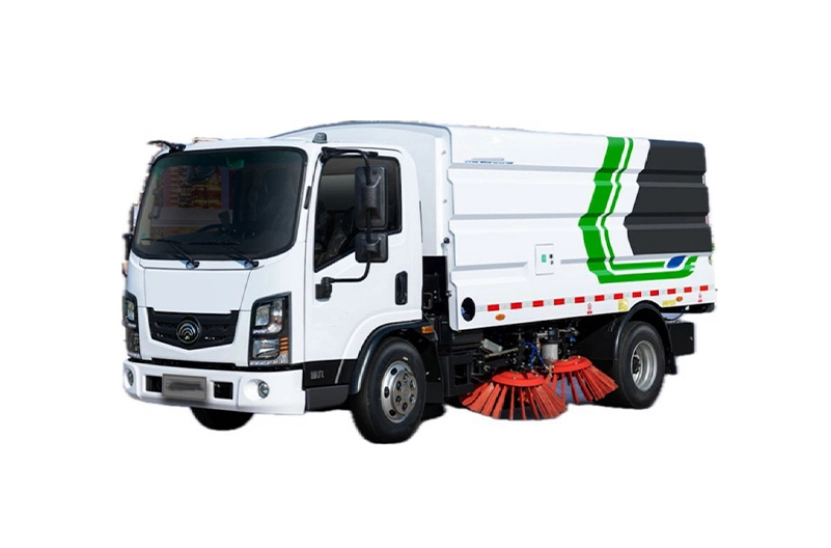
Choosing the right hydraulic cylinders for road sweepers isn’t just about matching dimensions or pressure ratings. The real question is how to make sure each cylinder stands up to steady shaking, wetness, and dirt while keeping easy movement control. The answer comes from grasping their job, kinds, and build details that really affect how well they work and how long they last.
The Function of Hydraulic Cylinders in Sweeping Systems
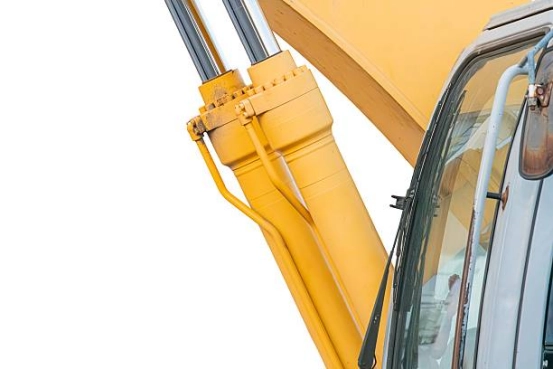
Hydraulic cylinders give the strength to raise, tip, and guide sweeping parts. They turn hydraulic power into mechanical push for easy and quick work. Dependable cylinders keep steady output even in dusty streets or damp weather. In busy city cleaning jobs, this dependability decides if a sweeper can go through a full day without stops.
Key Components Controlled by Hydraulic Cylinders
The main parts of a road sweeper driven by hydraulic cylinders include:
- Sweeping disc lifting and tilting mechanisms.
- Nozzle positioning for effective water spraying.
- Rear door opening and closing for waste discharge.
Each function calls for a special cylinder setup—different stroke lengths, mounting styles, and sealing systems—to deal with its own mechanical weight.
Types of Hydraulic Cylinders Used in Road Sweepers
Before picking a cylinder model, it’s key to know which type handles which machine part. Road sweeper hydraulic cylinder include sweeping disc cylinder, nozzle lifting cylinder, rear door cylinder and lifting cylinder. Each has clear work needs linked to its work setting.
Sweeping Disc Cylinder
Sweeping disc cylinder handles the up-and-down shift of the sweeping brushes. It needs exact movement guide to keep firm touch with bumpy road faces. Since it works near the ground, it has to fight off dust entry and take ongoing shakes. A good sweeping disc cylinder makes even cleaning outcomes and cuts down brush damage.
Nozzle Lifting Cylinder
Nozzle lifting cylinder sets the height and angle of water nozzles in cleaning. Good spray reach cuts down flying dust and boosts cleaning speed. This part faces constant wetness and cleaning fluids, so rust-proof stuff like tough steel or coated metals matter a lot for lasting strength.
Rear Door Cylinder
Rear door cylinder runs the cover for dumping waste or repair entry. It faces big strain in repeated open cycles. And it needs to hold tight seals to stop hydraulic leaks. A solid build plan also makes sure heavy waste weights don’t bend the setup as time goes on.
Factors to Consider When Choosing Hydraulic Cylinders for Road Sweepers
Picking a fitting cylinder means more than looking at list details—it’s about fitting machine wants with real-world settings.
Load Capacity and Operating Pressure Requirements
Cylinder push output ought to match each part’s mechanical weight. Too-big units use up power for nothing; too-small ones break too soon. Always check fit with the sweeper’s hydraulic system pressure range. This helps dodge system upset or heat problems.
Environmental Resistance and Durability
Outside cleaning spots put gear in touch with temp changes, water mist, fluids, and rough dust. Picking materials has a big say here:
- Choose corrosion-resistant coatings.
- Use seals designed for dirt exclusion.
- Ensure surface treatments meet salt spray resistance standards.
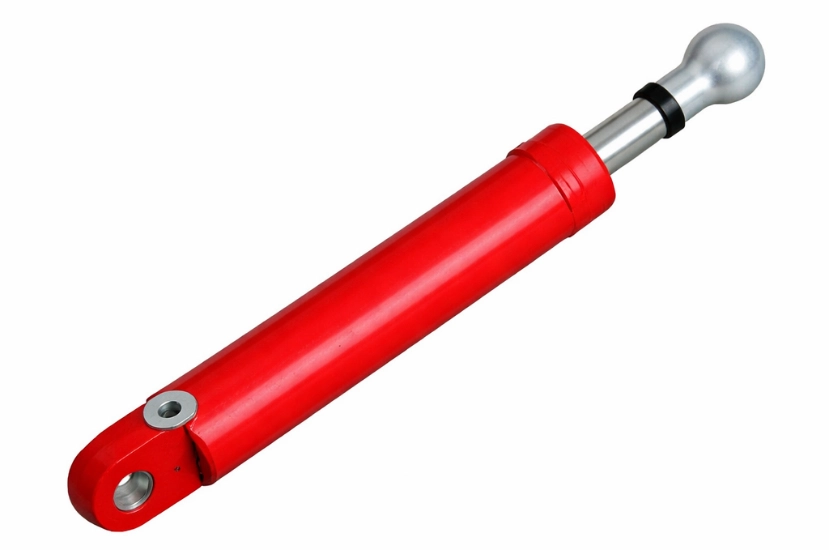
The piston rod adopts advanced electroplating process and with salt spray test grade 9/96 hours, to enhance the anti-corrosion and wear-resisting performanace.
Such protective features extend service life significantly under harsh operating conditions.
Installation Size and Mounting Options
Room in tight sweepers is usually small. Verify that cylinder sizes fit open spots without clashing with other parts. Mounting picks like clevis or trunnion links should go with both build shape and repair ease needs.
Customization Options from Shining Hydraulic for Road Sweepers
A basic item seldom suits all gear just right; customization fills that space between idea and real use.
Tailored Cylinder Design According to Application Needs
Shining Hydraulic focus on integrating product development with production services for hydraulic technology solutions across multiple industries including sanitation equipment manufacturing. Shining Hydraulic offers custom stroke lengths, bore sizes, materials, and mounting types tailored specifically for different road sweeper models. This makes for easier fit into OEM designs. And it helps get better weight-to-strength balances.
Advanced Sealing and Coating Technologies
Sealing strength sets how trusty it is out in the field. Advanced and reliable sealing system adopts imported sealing brand, which has the characteristics of high-speed wear resistance and long service life. In addition, the sealing is a unique double dustproof structure, which can effectively prevent external impurities from entering the cylinder. These features help a lot when sweepers run on sandy or muddy paths. There, dirt chance stays high.
Protective coatings help stretch out life by cutting rust dangers from water touch or chemical cleaners in wash work.
How Shining Hydraulic Supports OEMs in the Sanitation Equipment Industry
For manufacturers developing new models or upgrading existing fleets, supplier support can determine project success rates as much as product quality itself.
Reliable Manufacturing Standards and Quality Control Processes
Quality first means Shining Hydraulics applying all-around test and inspection to every step of hydraulic cylinder production to make sure the product will perform to expectations.
Each unit undergoes strict pressure testing before delivery—ensuring consistent performance once integrated into customer machinery. Our lean manufacturing practices also help speed up response times without compromising quality assurance standards.
Technical Support and After-Sales Service for Integration Projects
OEM partners benefit from engineering guidance throughout system integration stages—from initial sizing calculations to final installation validation. Continuous technical support helps optimize performance across various sweeper configurations while reducing downtime risks during maintenance cycles.
Practical Tips for Maintenance and Performance Optimization
Even strongly made cylinders need good upkeep to keep top work going for years.
Regular Inspection Routines for Extended Service Life
Routine checks stop tiny problems from growing into big money losses:
- Inspect seals, hoses, fittings regularly.
- Lubricate moving joints per manufacturer recommendations.
- Clean exposed rods after each shift if operating in sandy environments.
A quick eye check can usually spot early hints of oil leak or wrong lineup before they turn into total breaks.
Early Detection of Common Cylinder Issues
Operators should keep an eye on bumpy motion or less lift strength—these signs often point to inside seal damage or dirty fluid. Replacing hurt parts fast skips lost time in packed city wash plans where each hour matters for work goal hits.
Typical Specification Range for Road Sweeper Cylinders
| Parameter | Typical Range | Notes |
| Working Temperature | -20℃ – +80℃ | Working Temperature-20℃-+80℃ |
| Material | 20# Steel / Custom | Must balance strength & corrosion resistance |
| Seal Brand | Hallite / DLI | Seal Hallite、DLI |
| Piston Rod Treatment | Hardened & Electroplated | Enhances wear & corrosion resistance |
| Warranty | 12 months | Warranty 12 months |
Proper selection aligned with these parameters helps ensure optimal compatibility between hydraulic systems and mechanical assemblies within sweepers operating year-round under variable weather conditions.
Reliable hydraulic cylinders are fundamental not only for performance but also safety in sanitation vehicles navigating busy streets daily. By combining durable materials with advanced sealing technologies—and backed by engineering expertise from specialized manufacturers like Shining Hydraulic—road sweepers achieve higher uptime rates with lower maintenance costs over their lifecycle.
FAQs
Q1: What causes hydraulic cylinders on road sweepers to fail most often?
Seal wear due to contamination or improper lubrication is the leading cause of failure in these systems.
Q2: How often should sweeping disc cylinders be inspected?
Monthly inspections are recommended under normal use; more frequently if operating in highly dusty areas.
Q3: Can standard industrial cylinders replace dedicated sweeper models?
Not ideally—road sweepers require compact designs with dustproof seals that general-purpose units may lack.
Q4: What material is best suited for nozzle lifting cylinders?
Hardened steel or chrome-plated alloys offer superior corrosion resistance against constant water exposure.
Q5: How can operators detect internal leakage early?
A gradual drop in lifting speed or inconsistent brush movement usually indicates internal seal deterioration requiring attention.