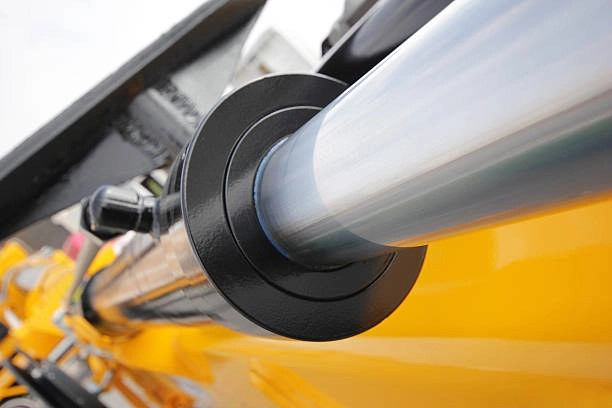
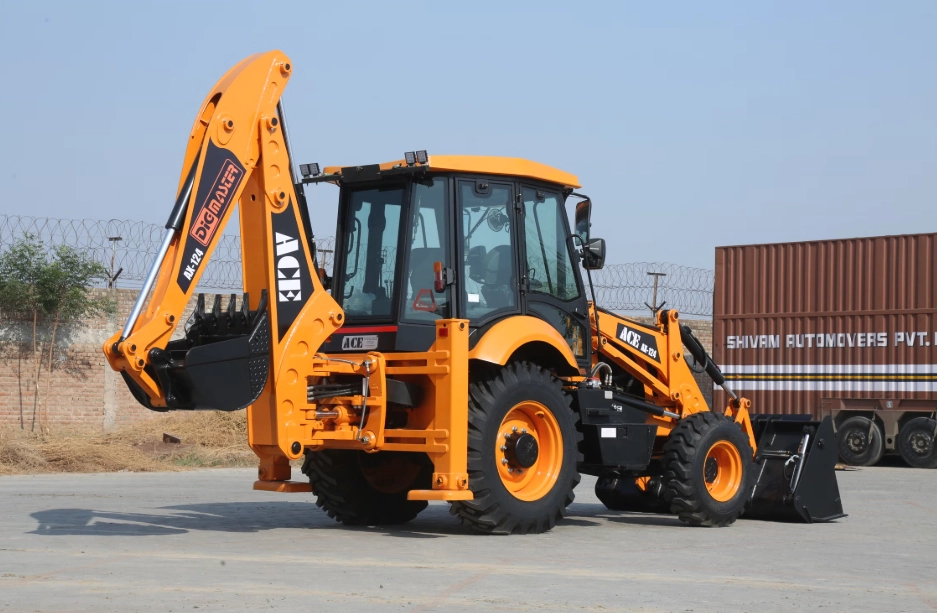
In the world of heavy machinery, the words we use often depend more on where the machine was built than what it actually does. If you are standing on a job site in North America, you might hear “stick,” while a technician in Europe or Asia might call it the “arm” or even the “dipper.”
Industry nomenclature often varies by region and specific manufacturer standards. This lack of a universal dictionary is the primary source of confusion for fleet managers and parts buyers. Both terms refer to the secondary section of the backhoe linkage located between the boom and the bucket. It is that crucial middle limb that provides the reach and the “crowding” action necessary for digging. Shining Hydraulic identifies these components based on their kinematic role within the hydraulic circuit. By focusing on the physics—how the oil moves the steel—engineers can bypass regional slang and focus on the actual performance of the hydraulic cylinder for backhoe applications.
Mechanical Roles and Functional Differences
While they might look like simple steel tubes, the internal specifications of these cylinders are tuned for very different workloads.
Force Requirements and Stroke Length
The stick cylinder typically requires a specific bore size to balance speed and breakout force. If the bore is too large, the movement becomes sluggish, ruining the cycle time of a skilled operator. If it is too small, the backhoe won’t have the “bite” needed to break through compacted clay or rocky soil. Variations in stroke length are determined by the reach requirements of different backhoe models.
A long reach arm needs a cylinder that can extend significantly without losing structural rigidity. Damping needs differ between the two depending on whether the application prioritizes heavy lifting or rapid trenching. A stick cylinder often needs aggressive end of stroke cushioning to prevent the metal on metal “clack” when an operator fully extends the arm during a fast trenching cycle.
Mounting Positions and Stress Distribution
The way a cylinder is tucked into the machine determines its lifespan. Structural integration of the cylinder into the dipper arm affects how lateral loads are handled. It is never just a straight push or pull; as the bucket twists, those forces travel back up the stick. Pin diameters and bushing types are selected based on the specific pivot points of the arm assembly.
Using a pin that is even a millimeter off, or a bushing material that cannot handle the heat of high frequency oscillation, leads to premature failure. We have seen many arm cylinder units fail simply because the mounting geometry forced the rod to take a slight side load that it was never designed to handle.
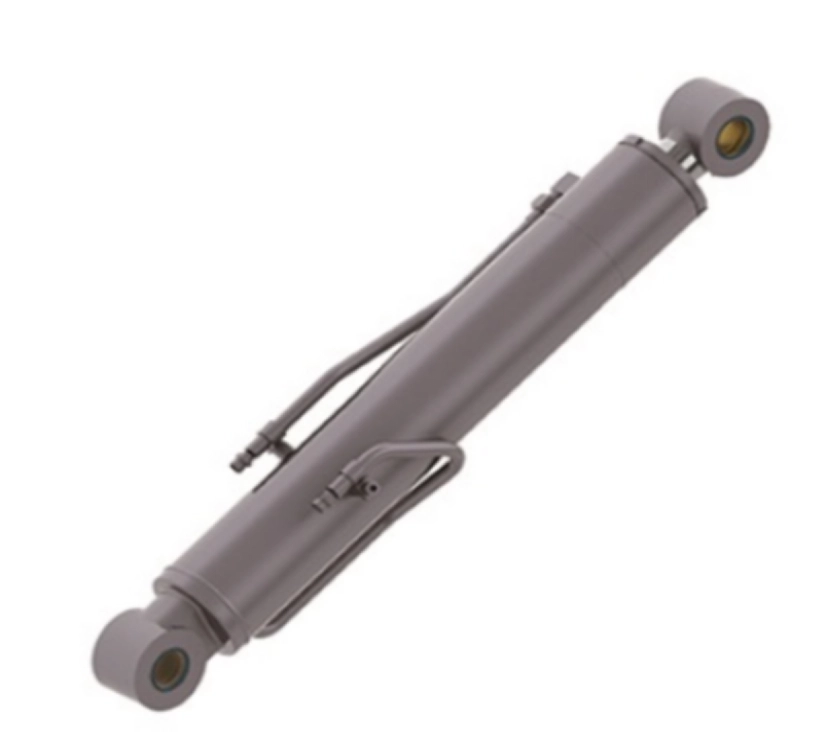
Are They Interchangeable in OEM Applications?
The short answer is: almost never. Even if they look identical on a pallet, the internal and external plumbing usually tells a different story.
Standardizing hydraulic components across different machine parts can reduce inventory costs for manufacturers. It sounds like a great idea on paper—use the same cylinder for the boom, arm, and bucket. However, the reality of physics usually wins. Differences in hydraulic porting and manifold blocks often prevent direct substitution. An arm cylinder might need a specific port orientation to clear the boom when folded, while the stick cylinder requires a different setup for hose routing. Custom end fittings and eye hole dimensions are usually unique to the specific arm or stick geometry. You cannot simply “make it fit” without compromising the safety and the pressure rating of the entire hydraulic system.
Engineering Challenges in Backhoe Cylinder Design
Designing these components is a constant battle against heat and friction.
Managing High Pressure Cycles
Frequent cycling during excavation requires superior seal durability and heat dissipation. When a backhoe is working a ten hour shift, the oil temperature can skyrocket, causing standard seals to harden and crack. Shining Hydraulic utilizes specialized coatings to prevent rod scoring during high intensity operations. These coatings, often high velocity oxygen fuel (HVOF) or specialized chrome plating, ensure that abrasive dust from the job site doesn’t turn the rod into sandpaper that shreds the internal seals.
Why Precision Tolerances Matter for Stick Stability
Minimal internal leakage is critical for maintaining the position of the arm during precision grading. If you are trying to level a trench bed and the arm starts to “creep” or “drift” downward, the job is ruined. Tight tolerances in the piston and gland assembly prevent the “drifting” effect common in lower quality cylinders. It comes down to the micron level fit between the piston seal and the barrel wall. If that fit isn’t perfect, oil bypasses the piston, and the arm loses its “hold” capability.
Selecting the Right Hydraulic Cylinder for Your Backhoe Project
Choosing a replacement or specifying a part for a new build requires more than just measuring the length.
Factors to consider when specifying cylinders for new equipment designs (OEM) include the duty cycle and the intended environment. A machine working in a salt mine needs different rod protection than one working in a forest. How material selection impacts the power to weight ratio of the entire digging assembly is another critical point. If the stick cylinder is too heavy, it reduces the amount of material the bucket can safely lift. Collaboration with Shining Hydraulic ensures that the cylinder performance matches the machine’s hydraulic flow capacity. It is about harmony; the pump, the valve, and the cylinder must act as a single, fluid unit.
FAQ
Q: Can I use an arm cylinder as a stick cylinder if the dimensions match?
A: It is not recommended. Even if the pin to pin length is the same, the internal damping and the port locations are likely different, which can lead to hose interference or mechanical damage.
Q: Why does my stick cylinder drift when the engine is off?
A: This is usually caused by internal bypass leakage at the piston seal or a faulty holding valve. High precision cylinders are designed to minimize this, but wear over time is inevitable.
Q: What is the most common cause of failure in a hydraulic cylinder for backhoe use?
A: Contamination. Dirt getting past the wiper seal scores the rod and eventually destroys the main pressure seals. Regular maintenance of the rod surface and hydraulic fluid is vital.