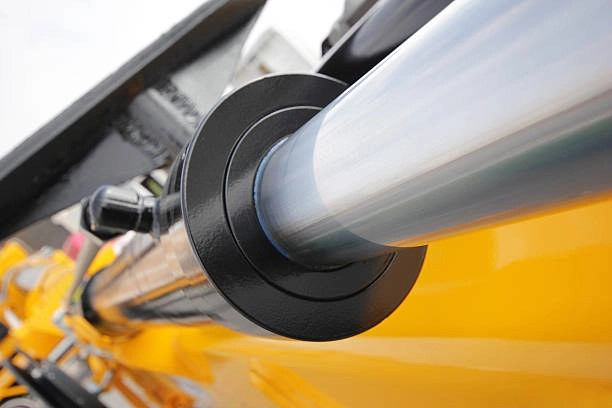
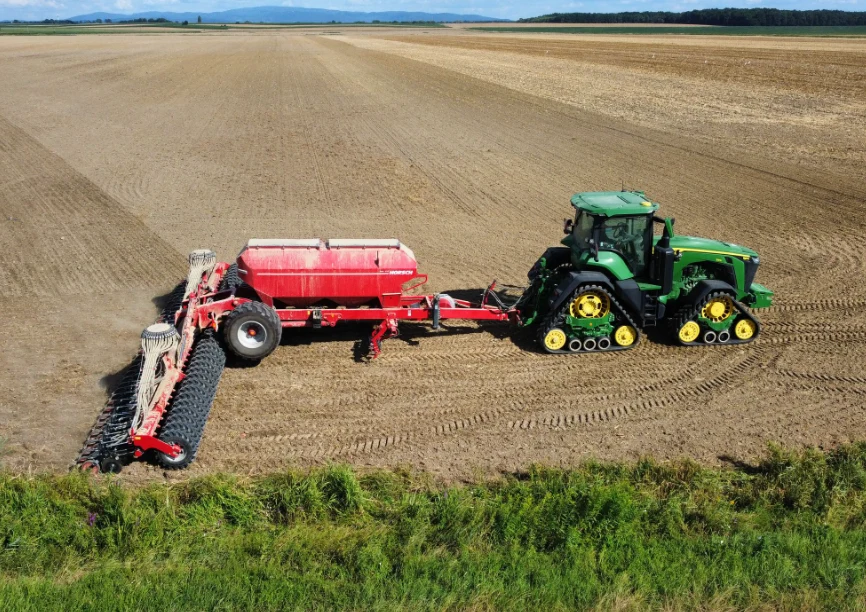
The seeder hydraulic cylinder acts as more than a simple part. It provides the necessary power for exact seed dropping. It also ensures steady results across changing soil types.
Why Hydraulic Cylinders Matter in Modern Seeders
In modern farming, these cylinders do a lot more than just move parts around. They manage depth settings, seed dropping, and folding actions. A smooth and steady cylinder response helps the machine keep a constant planting depth. This holds true even on rough fields. This kind of physical stability leads straight to improved crop growth.
Good hydraulic designs also cut down on wasted time. They do this by stopping leaks and stopping pressure drops. These issues would normally ruin a long day of planting.
Key Parameters to Consider
Choosing the right hydraulic cylinder for seeder requires a careful look at several different details. You should not look at just one single feature.
Bore Size: How Does It Affect Seeder Performance?
The bore size decides the amount of pushing power a cylinder can make at a set pressure. Bigger bores give you more lifting strength. This extra strength helps large planters that hold very heavy metal frames. Yet oversizing brings its own problems: slower response times due to increased oil volume requirements. The bore must match both the hydraulic system’s flow rate and the mechanical load demands of the seeder.
Stroke Length: Matching Travel Distance with Seeder Design
Stroke length defines how far the piston rod moves during operation. It needs to align precisely with the mechanical range of motion in arms or hoppers. Too short, and you lose full articulation; too long, and you risk interference with other components or instability during folding transport positions. Many engineers measure stroke based on maximum field lift height plus safety margin—never guesswork.
Working Pressure: Ensuring Compatibility with Hydraulic Systems
The working pressure rating must fit within the tractor’s hydraulic circuit capacity. Overpressure leads to seal failure or internal scoring inside the barrel. Underrated cylinders may deform under load, compromising accuracy in seed depth control or folding functions. Consistent operating pressure supports reliable actuation throughout long planting sessions when temperature changes alter fluid viscosity.
Mounting Style: Choosing the Right Fit for Your Seeder Frame
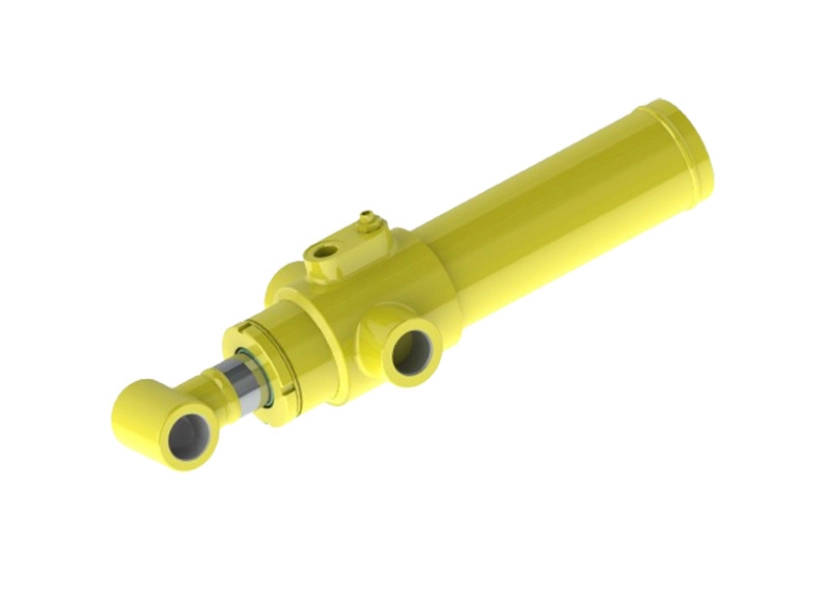
The mounting style usually determines if putting the part on the machine is easy or very hard. Clevis mounts let the parts swing back and forth freely. Trunnion mounts fit very well into tight areas. Flange mounts offer straight and solid holding power for upright setups. Incorrect mounting introduces side loads that bend rods or wear bushings prematurely—issues that show up as uneven planting patterns over time.
Rod Diameter: Balancing Strength and Responsiveness
Rod diameter influences stiffness and speed equally. A thicker rod resists bending when lifting heavy toolbars but slows extension slightly because of increased mass and fluid drag area. Thinner rods travel faster. But they might bend if the machine hits a hard bump on the farm. Adding a surface coating like chrome helps stop rust. This coating fights off damage from chemical fertilizers and wet weather.
Common Mistakes When Selecting Seeder Cylinders
Errors often occur not from lack of knowledge but from overlooking context—the environment where these machines actually work.
Overlooking Operating Conditions
Temperature swings, dust intrusion, moisture—all affect seal performance and fluid stability. Ignoring them shortens service life dramatically. Specifying inappropriate sealing materials can cause early leakage or contamination that ruins both cylinder internals and connected valves.
Mismatched Cylinder Dimensions
Oversized cylinders make systems sluggish; undersized ones struggle under load, forcing pumps to overwork and accelerating wear across components. Energy efficiency drops noticeably when flow rates don’t match bore volume requirements—a hidden cost many operators discover only after several seasons.
Neglecting Maintenance Compatibility
Ease of maintenance matters more than spec sheets suggest. Non-standard fittings complicate field repairs when timing is critical during planting windows. Choosing standard ports or widely available seal kits saves hours later when every hour counts against weather forecasts.
OEM vs Standard Hydraulic Cylinders
Different operations require different approaches depending on machine design philosophy.
When Should You Choose an OEM Hydraulic Cylinder?
OEM cylinders are made just for specific planter models. Sometimes the shape, the weight balance, or the pressure needs require an exact match to the original factory design. These parts guarantee a perfect fit right out of the box. You do not need to change the control valves or cut the metal mounts. They are perfect for keeping the factory warranty safe on brand-new equipment.
Benefits of Standard Agricultural Hydraulic Cylinders
For general-purpose use, standard agricultural hydraulic cylinders offer excellent value and flexibility. They’re widely available through distributors, easier to replace mid-season, and adaptable across multiple implements with minor adjustments to fittings or stroke stops.
Checklist Before Ordering a Hydraulic Cylinder
Before placing an order, it is important to verify several key specifications to ensure the hydraulic cylinder will match your seeder’s operating requirements.
- Confirm bore and stroke dimensions
- Verify working pressure requirements
- Choose the appropriate mounting style
- Evaluate rod diameter and strength
- Consider environmental conditions
- Review seal performance
- Determine whether customization is required
- Confirm supplier manufacturing capabilities
By reviewing these factors before purchasing, equipment manufacturers and operators can avoid costly mistakes and select a hydraulic cylinder that delivers reliable performance throughout the planting season.
Looking for a reliable seeder hydraulic cylinder solution?
Explore Shining Hydraulic’s hydraulic cylinder for seeder to find a durable and precisely engineered option tailored for agricultural applications.
FAQ
Q1: What happens if bore size is too large?
The machine moves slower because it needs more oil for every single push. This extra demand can also hurt pumps that are not built for such high fluid flow.
Q2: How often should seals be replaced?
Typically every two seasons under normal use—but earlier if you notice creeping movement or oil film around rod ends.
Q3: Can standard cylinders replace OEM ones safely?
Yes, provided dimensions, mounting points, and pressure ratings match exactly; otherwise control calibration may drift.
Q4: What’s the best way to protect cylinders from corrosion?
You should wash them often after using farm chemicals. Putting a thin layer of clean oil on them before winter storage will help them last a very long time.
Q5: Why does rod diameter matter so much?
Because bending under heavy load causes misalignment that affects seed placement accuracy—a small deviation multiplied across rows becomes visible loss in yield uniformity.