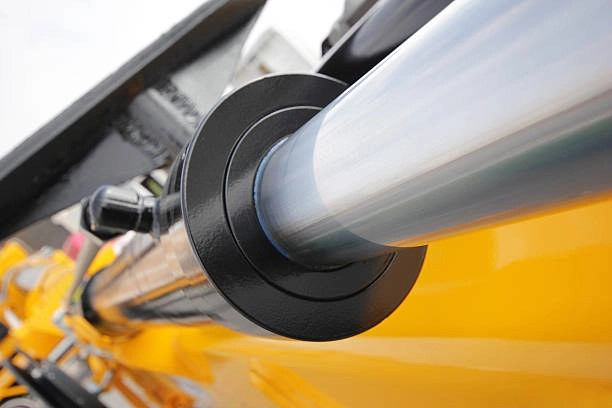
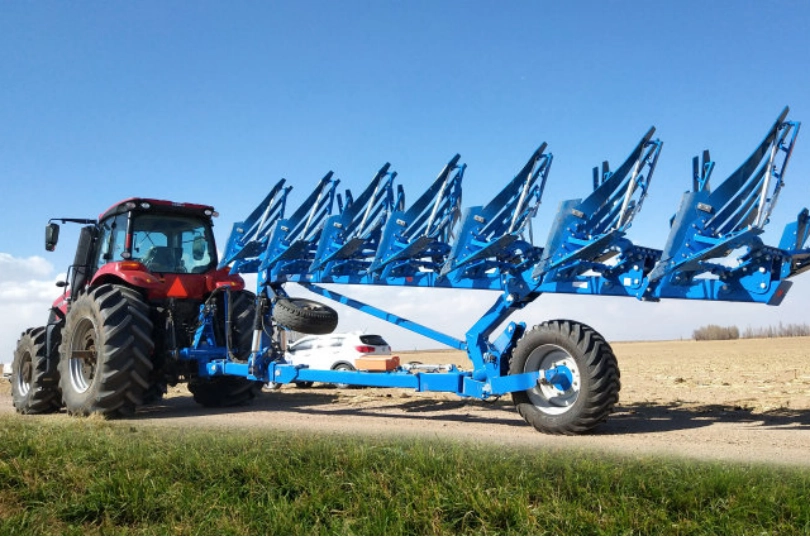
When looking at a plow, the hydraulic system is the muscle that dictates how well the implement interacts with the earth. Choosing between a single acting and a double acting setup isn’t just about cost; it’s about how much control is actually needed over the blade’s movement.
Gravity vs. Pressure: The Single-Acting Principle
Single acting cylinders are the workhorses of simplicity. These units rely on a single port to receive pressurized fluid, which pushes the piston out. Single acting cylinders utilize hydraulic fluid for extension and rely on external forces like gravity or heavy springs for retraction. In many cases, this is all a farmer needs.
This design is frequently seen in lift mechanisms where the weight of the plow blade is sufficient to lower it back to the ground. Once the operator releases the pressure, the sheer mass of the iron does the work. Simplified plumbing requirements make these units a cost effective choice for basic agricultural implements. There is less to go wrong when there is only one hose to worry about per cylinder.
Total Control: How Double-Acting Cylinders Operate
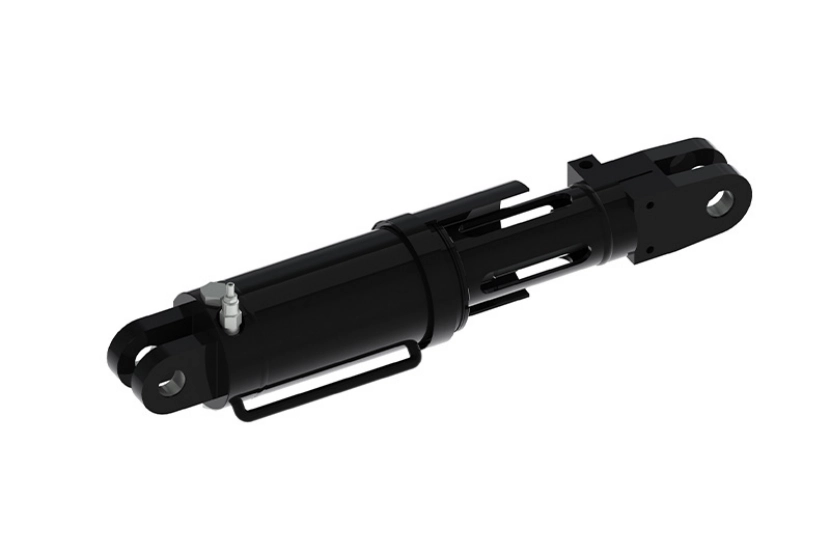
If a single acting cylinder is a hammer that only swings one way, a double acting cylinder is a precision tool. These cylinders use hydraulic pressure for both the extension and retraction phases. There is no waiting for gravity here. Two ports allow fluid to move the piston in both directions, providing active “down pressure” which is vital for certain soil conditions.
When a tipping cylinder needs to do more than just drop a load—when it needs to hold a specific angle against the resistance of the earth—this is the way to go. Double acting systems offer superior precision when angling or positioning complex plow assemblies. It allows for a level of finesse that gravity simply cannot provide, especially when working on uneven terrain.
Which Cylinder Type Suits Your Specific Plowing Environment?
The environment dictates the tool. A setup that works perfectly in the soft loams of the Midwest might fail miserably in the clay heavy soils of the Northeast.
Soil Density and the Need for Down Pressure
In hard packed or frozen soil, the weight of the plow alone may not be enough to penetrate the surface. This is where the single acting system falls short. If the blade just skims the top, the work isn’t getting done. Double acting cylinders allow operators to force the blade into the ground, ensuring consistent furrow depth regardless of how stubborn the earth is.
Conversely, light, sandy soils often require less mechanical force, making single acting cylinders a viable and efficient alternative. If the ground is soft, “down pressure” might actually cause the plow to bury itself too deep, wasting fuel and straining the tractor.
Environmental Factors and Maintenance Longevity
Maintenance is the silent killer of productivity. Single acting cylinders have fewer seals and hoses, reducing the potential points of failure in harsh, muddy fields. It’s a simple equation: fewer parts mean fewer things to leak. However, simplicity has its limits. Double acting systems require more robust hydraulic setups but offer better protection against “fluttering” in high speed plowing applications. When moving fast, a gravity return blade can bounce; a double acting cylinder keeps it pinned exactly where it belongs.
Why Does the Hydraulic Circuit Design Matter for Your Tractor?
A common mistake is buying a high end agricultural hydraulic cylinder without checking the tractor’s rear end. Compatibility with the tractor’s Rear Remote valves determines whether a double acting upgrade is feasible. If the tractor only has one set of remotes designed for one way flow, a double acting cylinder won’t work without a diverter or a new valve stack.
Converting a single acting lift to a double acting system may require additional hydraulic hoses and a specific control valve configuration. It’s not just a “plug and play” swap. Furthermore, understanding the flow rate and PSI limits of the existing machinery prevents premature seal failure in the tipping cylinder. If the tractor’s pump puts out more pressure than the cylinder seals are rated for, the first heavy lift will be the last.
Operational Efficiency and Cost Considerations
Every decision in the field eventually comes down to the balance sheet.
Balancing Initial Investment with Performance Gains
Single acting cylinders are generally less expensive to manufacture and purchase, making them ideal for small scale farming or seasonal use. If the plow only comes out of the shed twice a year, the extra investment in a double acting system might not ever pay for itself. But for commercial operations, double acting cylinders increase productivity by allowing faster adjustments and better control over the plow’s angle. Time saved in the field is money in the bank.
Long Term Reliability of Agricultural Hydraulic Cylinders
Regardless of the action type, the build quality is what keeps the machine running. High quality chrome plated rods and specialized seals are essential for any plow application to resist corrosion from fertilizers and moisture. We’ve seen cheap cylinders pitted and leaking after just one season because the rod coating was too thin. Choosing a manufacturer that focuses on precision engineered components ensures the cylinder can withstand the lateral loads common in heavy duty plowing. A tipping cylinder takes a lot of side stress when the plow hits a hidden rock; it needs to be built for it.
Conclusion
Choosing the right hydraulic cylinder can make a measurable difference in plow performance, operating efficiency, and long-term equipment reliability. Whether your application requires a simple single-acting lift cylinder or a heavy-duty double-acting cylinder for precise control and down pressure, Shining Hydraulic can help you find a solution built for your working conditions.
Contact us today to discuss your plow cylinder requirements and get a hydraulic cylinder solution engineered for durability, compatibility, and dependable field performance.
Common Questions Regarding Plow Cylinder Selection
Can a double-acting cylinder be used as a single-acting one?
Technically possible by venting one port, though it is often inefficient compared to using the correct component for the job. If this is done, the unused port must be fitted with a breather filter. Proper venting is required to prevent vacuum locks or contamination from entering the cylinder barrel. Without a breather, the cylinder will suck in dust and grit, destroying the internal seals in short order.
How does the tipping cylinder affect the transport of the plow?
The cylinder must be capable of holding the full weight of the plow securely during road transport. Relying solely on hydraulic pressure during a long haul is a recipe for disaster if a hose bursts. Integrated lock valves or mechanical locks are often paired with double acting cylinders for enhanced safety during transit. It’s always better to have a mechanical pin in place when driving down the highway at 20 mph.
Which cylinder is better for a plow: single-acting or double-acting?
It depends on the application. Single acting cylinders are suitable for simple lifting, while double-acting cylinders provide better control for angling, positioning, and applying down pressure.
When should I choose a double-acting hydraulic cylinder for my plow?
Choose a double acting cylinder when you need active control in both directions, especially in hard soil, uneven terrain, or applications that require stable blade positioning.