Choosing a hydraulic cylinder for directional drill rigs isn’t just about picking a part from a catalog; it’s about survival in the field. If the cylinder fails mid-bore, the downtime costs more than the component itself. The first step is always a cold, hard look at the forces the machine actually encounters.
Understanding Load Capacity and Force Requirements
Calculating the specific push and pull forces required for different soil conditions is the bedrock of selection. In loose sand, the friction is manageable, but hitting a vein of heavy clay or rock changes the math instantly. It is not enough to look at the nominal capacity. Peak pressure ratings influence the longevity of the cylinder during unexpected resistance, such as when a drill head gets wedged.
A cylinder running at 90% of its rated pressure all day will fail far sooner than one sized to run at 60%. Evaluating the safety factor necessary for heavy-duty drilling operations usually means looking for at least a 3:1 or 4:1 factor on yield strength. Anything less is a gamble when the rig is pulling back a heavy product pipe through a collapsed bore.
The Impact of Stroke Length and Installation Space
The physical constraints of the rig frame often clash with the need for deep reach. Balancing the need for long-reach extension with the compact footprint of drilling rigs requires a clever design.
Long-stroke cylinders are tempting for reducing the number of cycles, but they introduce a physics problem: buckling. Addressing the risks of rod buckling in long-stroke hydraulic cylinders often involves increasing the rod diameter or using internal stop tubes to provide better support at full extension. If the rod is too thin for its length, it will bow under heavy push loads, destroying the seals and eventually the barrel.
Material Selection for Harsh Underground Environments
Directional drilling is essentially a high-pressure bath in liquid sandpaper. The mix of bentonite, water, and rock cuttings will eat through standard industrial cylinders in weeks.
Why Corrosion Resistance is Non-Negotiable
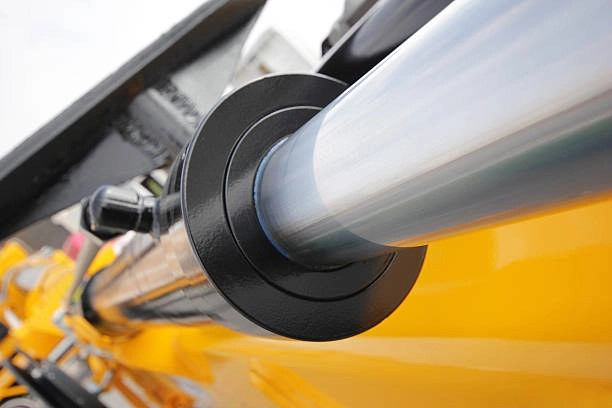
The rod is the most vulnerable part of the hydraulic cylinder for directional drill applications. Utilizing specialized coatings like chrome plating or ceramic layers to withstand abrasive mud and slurry is a standard requirement.
Ceramic is becoming more popular because it doesn’t “micro-crack” like traditional chrome, preventing salt and chemicals from reaching the base metal. Selecting seal materials that maintain integrity when exposed to drilling fluids and chemical additives is equally vital.
Nitrile might work for oil, but specialized urethanes or Viton are often needed when the “mud” gets chemically aggressive.
High-Strength Steel and Weight Optimization
Weight is a silent killer for mobile drilling rigs that need to stay within transport limits. Comparing different steel grades for cylinder barrels to ensure high pressure containment without excessive weight often leads to using cold-drawn seamless tubing with high yield strength.
The role of heat treatment in preventing structural fatigue during high-frequency cycling cannot be overstated. A properly quenched and tempered barrel can handle the “hammering” effect of rapid pressure spikes much better than raw, untreated steel.
How to Match Cylinder Design with Rig Specifics?
A cylinder shouldn’t be an island. It has to talk to the rest of the machine’s hydraulic and electronic brain.
Integrated Valve Manifolds and Safety Features
Safety in directional drilling means keeping the rod where it belongs if a hose bursts. Benefits of using counterbalance valves to prevent uncontrolled movement or “drifting” are clear: they lock the fluid in the cylinder unless there is pilot pressure to move it. Integrating position sensors for real-time feedback in automated drilling sequences is also becoming the norm. This allows the operator—or the rig’s software—to know exactly where the carriage is, preventing over-travel and mechanical damage.
Custom Mounting Configurations
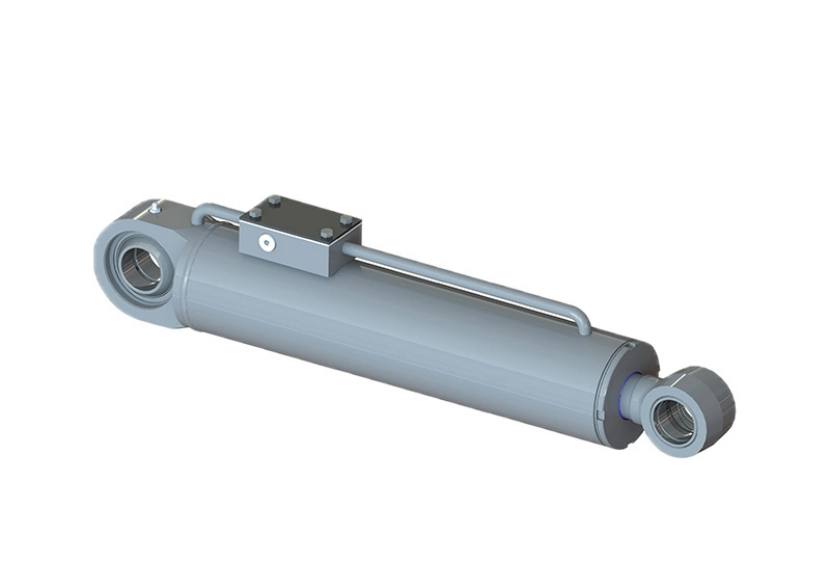
Standard mounts often fail because they can’t handle the side-loading inherent in drilling. Evaluating clevis, trunnion, or flange mounts based on the mechanical linkage of the drilling machine is a critical engineering step.
Trunnion mounts are usually preferred for high-force applications because they allow the cylinder to pivot and self-align. Ensuring alignment accuracy to minimize side-loading and premature wear on bearings is the difference between a cylinder that lasts five years and one that leaks in six months.
Critical Maintenance Indicators for Hydraulic Longevity
Preventative maintenance is cheaper than a recovery mission. Identifying early signs of seal bypass or internal leakage before a site failure occurs usually starts with monitoring heat; a cylinder that is significantly hotter than the reservoir is likely leaking internally. The importance of rod wipers in keeping contaminants out of the hydraulic system is often ignored until it’s too late.
These wipers are the first line of defense against grit. Establishing a routine inspection schedule based on the drilling hours and environmental severity—not just the calendar—is the only way to ensure reliability.
Selecting a Manufacturing Partner for Specialized Solutions
Most “off-the-shelf” cylinders are built for indoor factory use, not for being dragged through a muddy trench in 100-degree weather.
Beyond Off-the-Shelf Components
Why standard cylinders often fail in the unique torque and tension environment of directional drilling is simple: they aren’t built for the vibration. The value of technical collaboration during the initial design phase of the equipment ensures that the cylinder’s porting, cushioning, and mounting are optimized for the specific rig geometry.
Quality Testing Protocols
Verification through pressure testing and cycle simulation to mimic field conditions is a must. A manufacturer should be able to show how they simulate the “shock” loads of a drill bit hitting a boulder. Ensuring traceability of materials to guarantee consistent performance across fleet deployments means if a barrel cracks, you can trace it back to the specific heat of steel and fix the problem for the whole fleet.
Contact Shining Hydraulic today to discuss your directional drilling equipment requirements and get a hydraulic cylinder solution built for durability, precision, and field-proven performance.
FAQ
Q: Can I use a standard ag-cylinder for my drill rig?
A: No. Agricultural cylinders aren’t designed for the high-duty cycles or the abrasive environments of drilling. You’ll blow the seals or buckle the rod within days.
Q: What is the best coating for the piston rod?
A: Induction-hardened chrome is the baseline, but for high-abrasion areas, ceramic coatings or laser cladding offer much better resistance to pitting and scratching.
Q: How often should I replace the seals?
A: It depends on the “mud” chemistry and heat. A good rule is to inspect for “weeping” every 500 drilling hours. If you see a film of oil, the seal is starting to go.
Q: Why does my cylinder vibrate during the pull-back?
A: This is often “stick-slip” caused by seal friction or air in the lines. However, it can also indicate that the rod is beginning to flex under load. Check your alignment immediately.