What is Forklift Hydraulic Cylinder
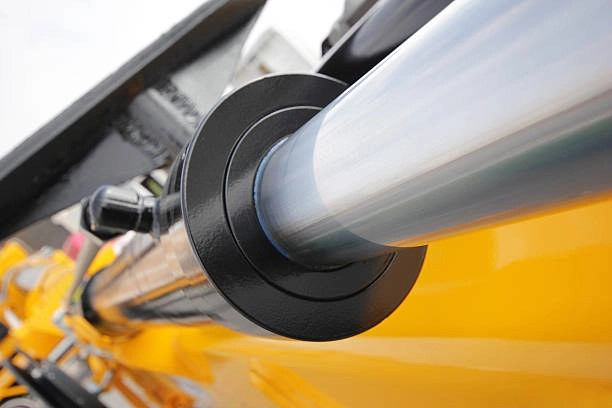
A forklift hydraulic cylinder serves as the core power source for every lifting action in a forklift. It changes fluid pressure into straight-line energy. This process lets the equipment elevate, lean, and guide heavy cargo with great exactness. Inside the unit, a piston travels through a tightly closed tube full of hydraulic oil. When pressurized liquid flows into one end of the cylinder, it pushes the piston forward or backward. This shifting turns straight into real mechanical lifting capability.
From a technical view, this system delivers huge power output from rather small parts. That feature is totally vital for forklifts because they need to work well in narrow warehouse areas. A properly built hydraulic cylinder for forklift tasks has to mix toughness, exact control, and long-lasting wear under non-stop heavy usage.
Where Forklift Hydraulic Cylinders Work
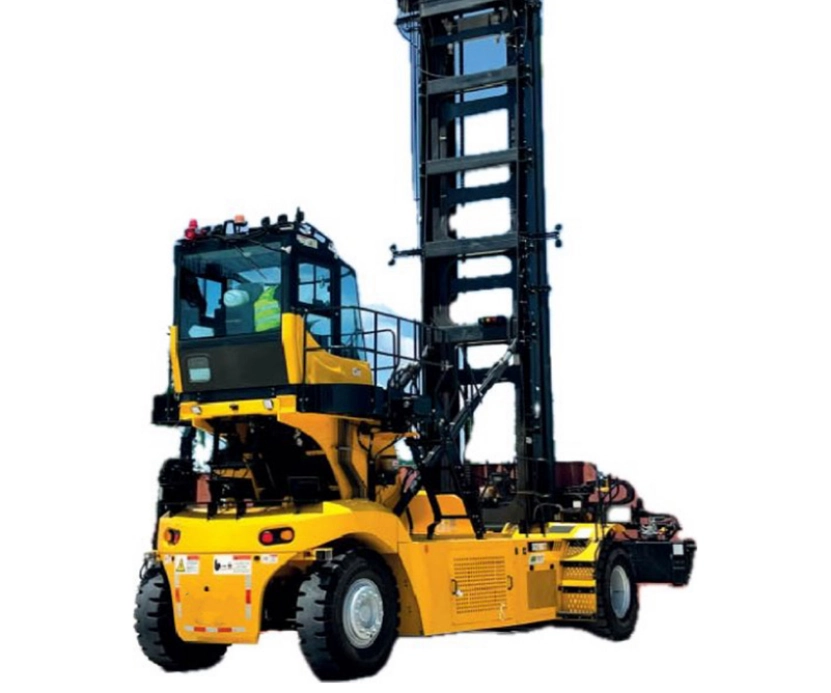
Forklift cylinders function in all the key movement zones of the machine. These include mast lifting, fork tilting, steering turning, and sometimes dumping tools. On an electric warehouse forklift, the lifting cylinder carries up-and-down weights constantly during a work period. This happens often thousands of times a day. Outside rough-terrain forklifts depend heavily on tilting and steering cylinders. They use these to keep loads steady on bumpy dirt floors.
Every single job site calls for special design focuses. For example, cold storage forklifts need seals that work fine in freezing weather without losing fluid. Tough port forklifts require chrome-plated rods. These rods fight off rust from salty ocean breezes. Knowing exactly where these cylinders run helps engineers decide how they must be constructed and checked.
Forklift Hydraulic Cylinders We Customize
Making things custom is not just a fancy choice. It is actually about staying alive in tough daily tasks. Various forklifts utilize completely different kinds of cylinders depending on their specific job.
Lifting Cylinders
The lifting cylinder acts as the center point of any forklift mast setup. It pushes the forks up and drops them down by stretching straight up under huge pressure. The whole design must manage big weights very smoothly. It cannot have sudden jumps or sliding when paused halfway up. Designers frequently pick multi-stage telescopic styles for tall reach trucks. This happens when the mast height goes way past normal single-stage boundaries.
Tilting Cylinders
Tilting cylinders manage the front and back slant of the mast. Their job seems small but it is super important. They keep heavy items stable while the driver speeds up or hits the brakes. Just a tiny mistake here can make a wooden pallet slip or cause the mast to wobble. These specific cylinders normally use double-acting setups with equal-sized pistons. This gives a steady reaction moving both ways.
Dumper Cylinders
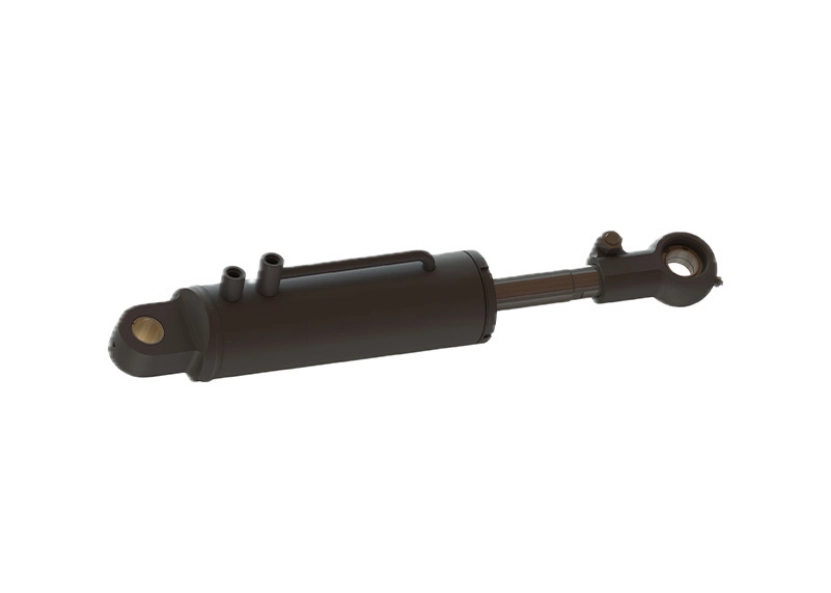
A few forklifts come with special dump tools to move loose stuff like dirt or scrap iron. Dumper cylinders are created for short-distance but ultra-strong jobs. They often need tougher rod tips and thicker outer metal walls. This helps them hold up against sudden hard hits during the dumping step.
Steering Cylinders
Steering cylinders change the fluid signals from the steering wheel into actual tire turning. Exact control matters a lot more than pure strength right here. Any fluid leaking inside could make the steering feel slow or even dangerous. Small double-acting models are very popular in bendy forklifts. In those machines, free room is extremely tight.
Synchronization, Drift & Safety Expectations
Cylinder synchronization makes sure several lifting spots travel together perfectly. This is totally necessary for keeping things flat when picking up wide or lopsided items. Drift means unwanted piston sliding when the control valves are shut tight. Too much drift shows that seals are worn out or fluid is sneaking past inside. Both issues are big safety worries in any lifting gear.
Safety hopes go way beyond just strong metal parts. Special overload protection valves stop sudden fast falls if a rubber hose breaks open. Soft cushioning setups at the travel ends lower hard banging impacts. Those impacts could easily break masts or metal frames. A trustworthy hydraulic cylinder for forklift use must keep absolutely zero outside leaking. It must do this even after handling lots of shaking for a long time.
How We Design and Test Forklift Hydraulic Cylinders
The building step starts with a deep load study. This means figuring out the needed bore width, travel distance, and working pressure. All this is based on the forklift power and shape. Picking the right metal comes next. We select very strong steel tubes smoothed out inside for perfect sealing areas. We add hard-chromed rods to stop rust. We also pick polyurethane or nitrile seals based on how hot or cold the job gets.
Testing is an absolute must. Every single test model goes through pressure pumping much higher than the normal working level. This proves it can handle long-term stress. Tech teams watch the drift speed over very long resting times to guarantee the seals work right. Salt spray checks copy bad outdoor rust situations. Moving endurance machines copy actual daily lifting actions many thousands of times before we say yes to the design.
Forklift Hydraulic Cylinder RFQ Checklist
When putting together an RFQ (Request for Quotation) for custom-made forklift hydraulic cylinders, being very clear helps stop slow-downs later in the factory.
| Specification Item | Description Required |
| Cylinder Type | Lifting / Tilting / Steering / Dumper |
| Bore & Stroke | Indicate exact dimensions |
| Mounting Style | Clevis / Trunnion / Flange / Custom |
| Working Pressure | Specify rated system pressure (bar/psi) |
| Operating Environment | Indoor / Outdoor / Temperature range |
| Material & Coating | Barrel steel grade, rod surface finish |
| Seal Type | NBR / PU / Viton depending on fluid compatibility |
| Load Direction | Push / Pull / Double-acting requirement |
| Special Features | Cushioning, sensors, safety valves |
Giving very clear details lets the design team pair the power exactly with what the job needs. This is much better than just hoping basic store parts will work out okay.
Send us your drawings, samples, or RFQ details today. We will help you design a reliable forklift hydraulic cylinder solution built for heavy-duty performance, strict safety requirements, and long-term operation.
Forklift Hydraulic Cylinders FAQ
Q1: How long does a forklift hydraulic cylinder last?
The working life rests on how hard it works and how good the upkeep is. However, it normally spans from 5 to 10 years in standard factory jobs if workers change the seals on time.
Q2: Can damaged rods be repaired?
Tiny scratches can be rubbed away smoothly. Deep cuts need new chrome coating or a full swap. This is because bad surface marks speed up seal breaking and oil dripping.
Q3: Why does my forklift mast slowly lower when idle?
This fact usually points to fluid sneaking past the main piston seals or control valve bases. This lets the oil slip by. Checking the unit with plugged holes can prove exactly where the sliding starts.
Q4: Are all forklift cylinders interchangeable?
No, they are not. The sizes, holding spots, and travel distances change a whole lot between different machine styles.
Q5: What maintenance reduces failure risk most effectively?
Looking closely for drips near the end nuts helps a lot. Keeping the hydraulic oil totally dirt-free by swapping filters is also key.