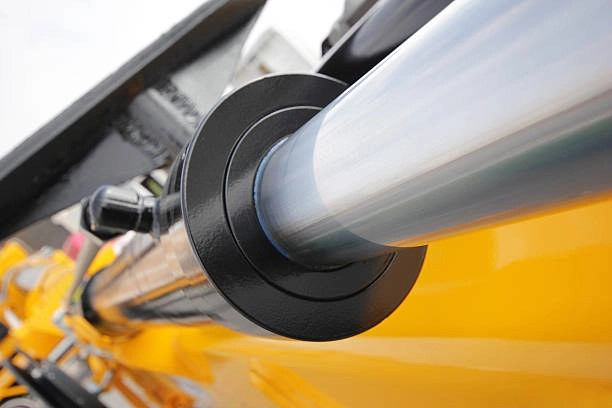
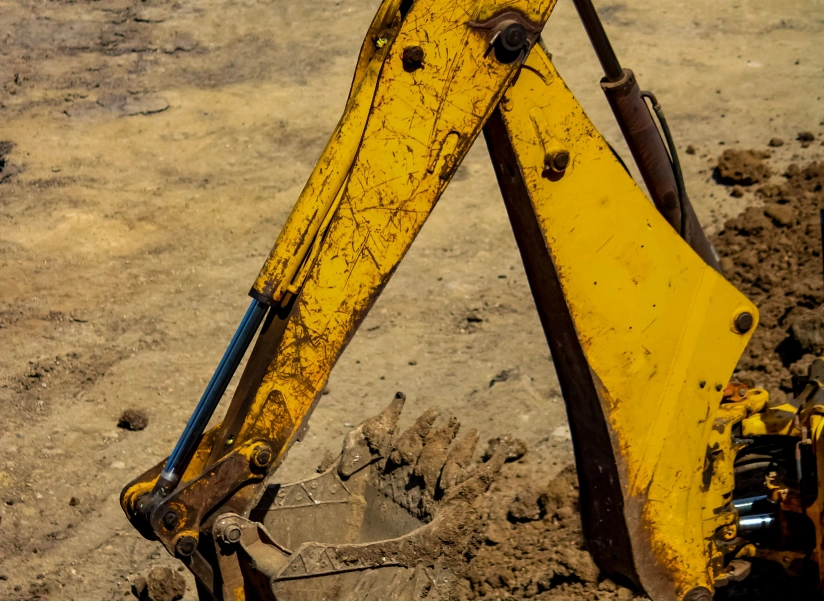
Fluid power systems act as the core of any digging machine. Without these setups, an excavator is just a pile of metal parts and rubber tubes. Each swing, lift, and scoop relies on turning fluid energy into physical movement. This change occurs inside the hydraulic cylinder for excavator. It serves as the main driver. It changes liquid pressure into raw working power.
What Makes the Hydraulic System the Heart of an Excavator?
Fluid power powers all main actions in these machines. The driver shifts a control stick. Then, oil travels through specific valves. This action builds pressure. The pressure pushes or pulls pistons inside the tubes. This movement raises the main boom. It also reaches the arm out or folds the bucket inward. The teamwork among the boom, arm, and bucket cylinders is vital. It decides how well the machine handles dirt or rocks.
Why Are Boom, Arm, and Bucket Cylinders So Important?
Every tube performs a specific job. The boom cylinder gives upward lifting power. It moves the whole front structure up or down. The arm cylinder manages distance and digging depth. It sets how far out or deep the tool can go. Finally, the bucket cylinder supplies the tearing force at the very edge. This force breaks through hard dirt and stone.
Exact control is a must. Uneven pressures can cause the equipment to tip. This happens when moving big weights or driving on rough dirt. The design of the unit matters a lot. The inner width, shaft thickness, and seal style change how smooth the machine runs. They also affect dependability. When all three units operate together, the equipment reacts well. It acts in a steady way, even during tough tasks.
Understanding Boom Cylinders: Power Behind the Lift
The boom cylinder supports the heaviest weights during digging tasks. Manufacturers build it to take huge impacts.
How Does a Boom Cylinder Work on an Excavator?
This part usually features a wide inner tube. This size creates strong lifting power at normal pressure settings. The travel distance sets the lifting height. The mounting setup changes the pulling angles between the main body and the front arms. Builders use strong metals like tough steel for the outer shells and inner shafts. This stops cracks from forming over time.
New seal designs stop oil from leaking inside. They work well even during sudden heat changes or dirty conditions. Factories often make these rings from tough plastics or mixed materials. These parts resist rubbing wear.
Common Issues with Boom Cylinders and How to Prevent Them
The shaft seals usually break down first. They face dirt, small rocks, and sideways pushing during daily work. The connection joints might get loose over the years. This happens if workers forget to add grease. Checking the metal shafts for scratch marks is helpful. It spots early dirt damage before it gets worse.
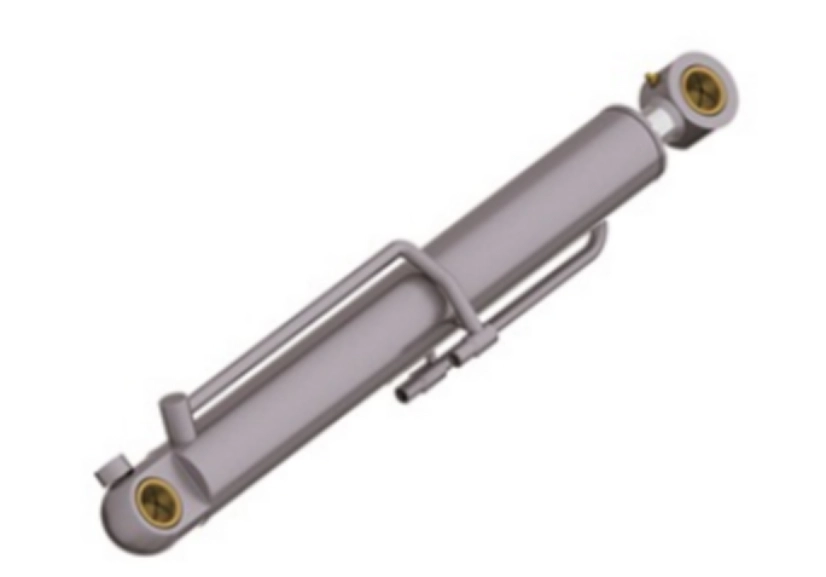
Routine care involves looking at the oil condition. Workers must also check the tightness of the holding bolts. Sometimes, the front arm slowly drops while the machine sits still. This drop points to a leak inside the main seals. It is a clear warning. You need to fix or replace the part.
Arm Cylinders: Precision Control for Reach and Depth
These specific parts decide the exactness of the digging. They help the driver cut straight ditch walls. They also help drop dirt neatly into dump trucks.
What Is the Function of an Arm Cylinder?
This unit controls the outward reach during the work cycle. It pairs with the upward lift to keep the best digging angles. It adjusts as the dirt gets harder to push. When matched well, this pair keeps the pushing force steady. It stops the machine from losing energy to rubbing parts.
Special valves control the fluid flow. They make the shift between pushing and pulling very smooth. This makes the movement feel normal instead of rough. Smooth action is deeply important. It matters most when doing careful dirt work near pipes or building bases.
Selecting a Reliable Hydraulic Cylinder for Excavator Arms
Buyers must look at several factors when picking a hydraulic cylinder for excavator arms. They need to check the normal pressure limits. They should compare the shaft width to the outer tube size. Metal strength and the smoothness of the outside finish are also key. The part must fit the original factory mounts. This exact fit allows for simple setup without extra cutting or welding.
Expert makers like Shining Hydraulic provide special designs. They build these units for exact machine types or tough job sites. This service is very helpful. Normal parts often fail to do the job in rough areas. These hard areas include deep mines or building tear-down sites.
Bucket Cylinders: Delivering Digging Force at the Edge
The bucket cylinder rests at the working tip of the machine. It is quite small in size. However, it holds a massive amount of pushing power.
How Do Bucket Cylinders Generate Breakout Force?
This part turns pressured liquid into a turning movement. It uses metal arms that link to the tool edges. Short travel distances mix with wide inner tubes. This setup creates huge breaking power. It can easily rip through packed mud or broken stones.
The shape of the unit is very important. Making the inner tube wider increases the total pushing force. However, it also makes the part move slower. This happens because it needs more oil to fill the space. Makers often change the joint distances instead. This change improves the digging speed for different dirt types or tool sizes.
Maintenance Tips for Long-lasting Bucket Cylinders
Adding grease is a strict rule. The connection pins require steady oiling. This stops the metal parts from grinding together during heavy hits. Watching the oil color is a smart habit. It helps find old fluid or hidden water. You can catch this before rust ruins the inside walls. Owners should change the rubber rings early. Do not wait for them to break. Lost working hours cost much more than the price of new parts.
Choosing the Right Hydraulic Cylinder Manufacturer for Excavators
Not all fluid parts share the same quality. Exact building methods change everything. They turn a basic machine into a highly reliable tool on the dirt lot.
What Should You Look for When Buying a Hydraulic Cylinder for Excavators?
Look past the basic cost. Focus on strict building rules like ISO papers. Check if the factory tests every part under pressure before mailing it. Good customer help after the sale is a strong sign. It shows the seller cares about the long run. They know the hard daily tasks that builders face.
Working with exact experts brings clear benefits. These makers focus only on big machine fluid systems. They keep the sizes exact across all new orders. This exactness is very needed. It lets mechanics swap parts easily among different machines in the company yard.
Why Choose Shining Hydraulic
Shining Hydraulic‘s hydraulic cylinders feature a compact design, high-strength materials, special heat treatment, and refined welding processes, along with imported sealing brands such as NOK, ensuring extremely high fatigue durability under high pressure and heavy loads.
Contact us today to discuss your project requirements, request a quote, or learn more about our customized hydraulic cylinder solutions.
FAQ
Q1: How often should hydraulic cylinders be inspected?
Checking them every 500 working hours is normal. You should look at them more often if the equipment works in very dirty or rough spaces.
Q2: Can different brands of hydraulic cylinders be mixed on one excavator?
It is possible but dangerous. Different oil speeds or travel lengths can ruin the harmony among the fluid lines.
Q3: What’s the main cause of premature seal failure?
Dirty oil is a major reason. Bad shaft straightness also plays a big part. Together, they speed up the damage very fast.
Q4: Are custom-built cylinders worth investing in?
Yes. They are very useful when basic units fail to handle special weights. They also help when unique job sites demand stronger parts.