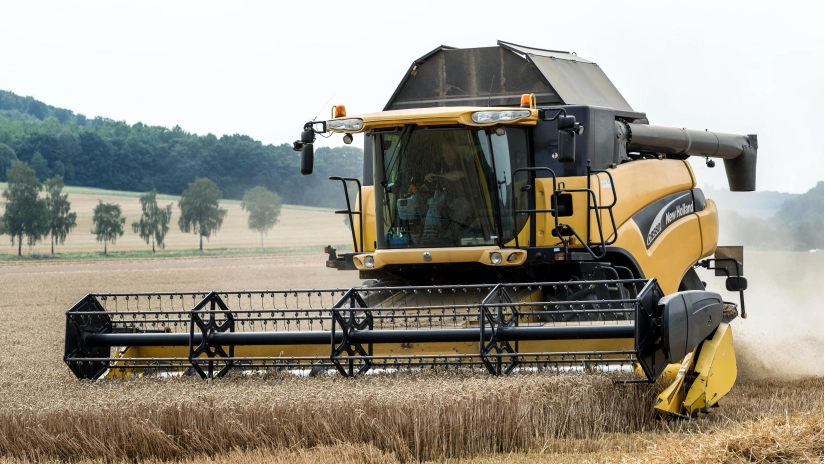
Hydraulic systems set the pace for modern harvesting work. Every single lift, turn, and unload relies on careful fluid power control. Reliability is never just a bonus in a grain harvester. It is a matter of survival. This matters most during a brief harvest season when every single hour is important.
Why Are Hydraulic Cylinders Essential in Harvesters?
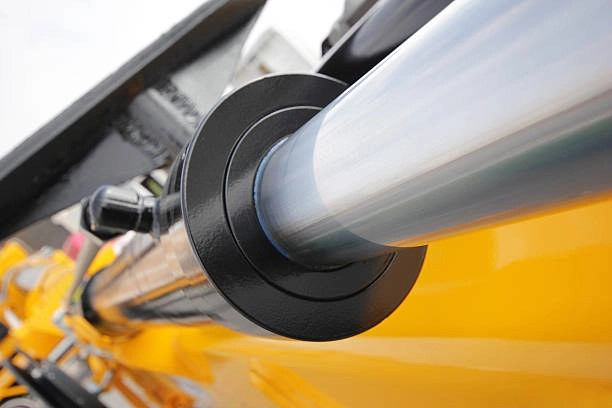
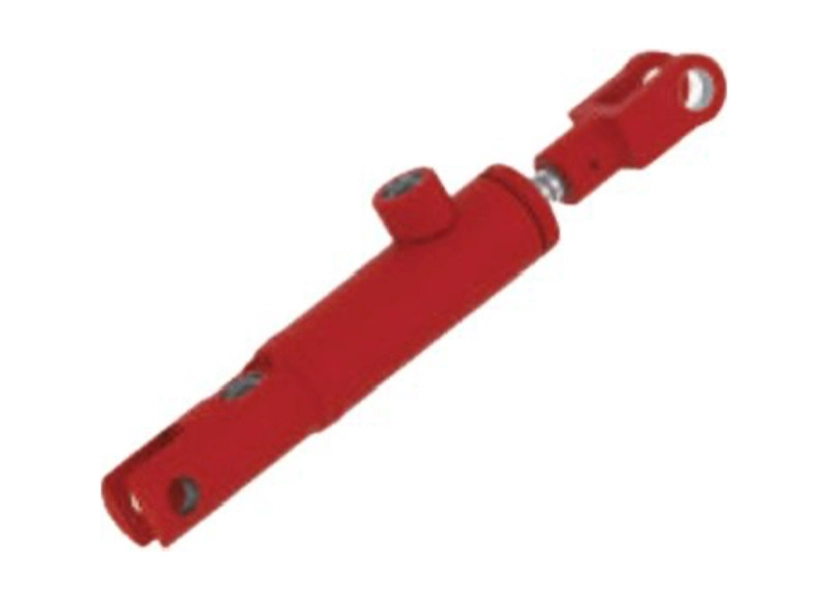
The core movement of a harvester depends entirely on its hydraulic cylinders. These parts change pressurized fluid into real mechanical force. This force powers lifting arms, steering setups, and unloading augers. Without these parts, even the best machine turns into useless metal. Over-bridge cylinders take care of the heavy header lifting. At the same time, tensioning cylinders keep belts aligned when loads change. The design of each agricultural hydraulic cylinder affects crop movement. It decides how fast crops travel from the field to the storage bin. A properly adjusted system saves fuel. It also cuts down on driver tiredness and lowers downtime during the busy season.
Key Roles of Agricultural Hydraulic Cylinders
Every type of cylinder has a specific job. Over-bridge lifting cylinders adjust the header height when the ground changes. This action is crucial for keeping cuts precise in bumpy fields. Steering cylinders react to the driver with incredible speed. This quick reaction allows for careful driving through narrow rows or muddy dirt. Unloading and belt pulley cylinders manage the grain flow. They also hold belt tension steady. As a result, the crop moves smoothly even if the plant thickness varies. Together, these parts build a connected network. In this network, stable pressure means higher productivity.
Common Hydraulic Challenges Faced by Harvester Manufacturers
Hydraulic systems are very strong. However, they are harsh if you ignore their care. Tiny leaks or dirt can quickly grow into huge failures. These big problems will completely stop field work.
What Causes Hydraulic Cylinder Leakage in Grain Harvesters?
Leaks usually start out hidden from sight. Tiny damage on seals happens because of dust or frequent heating and cooling. As time passes, this damage ruins the seal surfaces. Eventually, the pressure leaks out. Bad assembly methods or cheap materials make this issue much worse. They create weak spots when the machine works hard. Once oil sneaks past the seals, machine efficiency drops. At the same time, the risk of dirt entering goes up. Preventive care is the best defense. This includes checking seals often, using oil on time, and replacing parts early. Such habits prevent delays and oil loss in any hydraulic cylinder for grain harvester.
How Does Contamination Affect Hydraulic Performance?
Dirt is a hidden danger for hydraulic systems. Tiny pieces floating in the oil scratch the cylinder walls and valve seats. This scratching slowly ruins internal spaces until the machine runs poorly. Dirty oil gets thick when it heats up. This thick oil slows down reactions and ruins power transfer. In the field, this means slow lifting or shaky steering. These problems usually happen at the worst times, like the busy harvest rush. Good filters and strict oil change schedules are never optional. They are key parts of a dependable agricultural hydraulic cylinder design.
Dealing with Pressure Instability in Harvester Hydraulics
Unstable pressure happens when changing loads mix with a poorly adjusted system. Plant thickness can shift, or the ground can roll up and down. When this happens, pressure jumps can hit faster than safety valves can open. This shaking hurts control accuracy. It also cuts the life of parts because of metal stress. Engineers fix this by carefully choosing the right sizes for load-holding valves and pressure relief setups. These choices balance fast reactions with proper safety limits. The tuning task is very tricky. If it is too safe, work speed drops. If it is too wild, the machine parts might break.
Design and Manufacturing Considerations for Reliable Hydraulic Cylinders
A trustworthy hydraulic system starts long before workers put it together. It truly begins with picking the right materials and planning a smart design.
How Material Selection Impacts Cylinder Durability
Cylinder tubes face huge squeezing forces. Because of this, very strong steel is the normal choice to stop bending under big weights. Outer coatings, like chrome plating, guard the metal against rust. This rust comes from wet weather and farm chemicals in the fields. A good match between seals, oils, and metals keeps the chemistry stable over many years of work. Ignoring this match causes seals to swell or get hard too early. This minor mistake will greatly increase your repair bills later on.
The Role of Custom Engineering in Solving Field Challenges
Every harvester model has its own shape and working pressure. Standard parts from a catalog rarely fit perfectly. Custom engineering lets makers adjust the bore size, stroke length, and mounting style. They can also tune the shock absorption to meet exact needs. Communication between machine builders and cylinder makers improves these designs. This happens after field tests show true wear marks or heat issues. Working together constantly keeps the performance matched with new machine needs. It stops builders from relying on old, outdated rules.
Enhancing Efficiency Through Advanced Hydraulic Solutions
New ideas in hydraulics have moved away from basic raw power. Now, the focus is on smart technology. These modern systems can feel changes, adjust to them, and guess what will happen next.
Smart Hydraulics: The Future of Agricultural Machinery?
Adding sensors now allows for live tracking of cylinder speeds. They also track heat changes and inner pressure levels. Data software turns these numbers into smart maintenance tips. These tips point out possible breaks before they actually happen. This progress allows for longer times between service checks. It does this without adding danger of breaking down during the vital harvest weeks. Power-saving system designs also cut down on fuel use. They do this by matching the fluid flow to the current work load. This replaces the old method of running at high pressure all the time. It is a small change, but it brings clear money savings for large groups of machines.
Why Partner with Shining Hydraulic
Expert builders offer special knowledge that normal suppliers simply lack. Their groups deeply understand the details of running a grain harvester. Shining Hydraulic knows about the shaking patterns, bad weather exposure, and heavy seasonal work. These factors control the life of farm machines. Teaming up with these experts guarantees high quality. Every over-bridge, steering, tensioning, or unloading cylinder will meet strict rules in every batch. Aside from steady supplies, you get great engineering help. This support lasts from the first idea to the final delivery. They test early models under fake field stress before selling them around the world.
FAQ
Q: What’s the most common reason for hydraulic failure in harvesters?
Seal damage from dirt or too much heat causes the highest number of breakdowns found during repair checks.
Q: How often should hydraulic oil be replaced?
Usually, you should change it after 1,000 to 1,500 working hours. This depends on the maker’s advice and how harsh the outside weather is.
Q: Can smart hydraulics retrofit older machines?
Yes. Add-on sensor sets make it easy to connect to old systems. You do not need huge design changes if you have the right electronic control boxes.
Q: Why choose custom cylinders instead of standard ones?
Custom parts match the exact machine shape and work habits. They boost work speed while lowering repair bills over many years.
Q: Are chrome‑plated rods still necessary with modern coatings?
Yes. Even with new surface options coming out, chrome is still the best. It perfectly balances toughness, rust defense, and low costs for farm work.