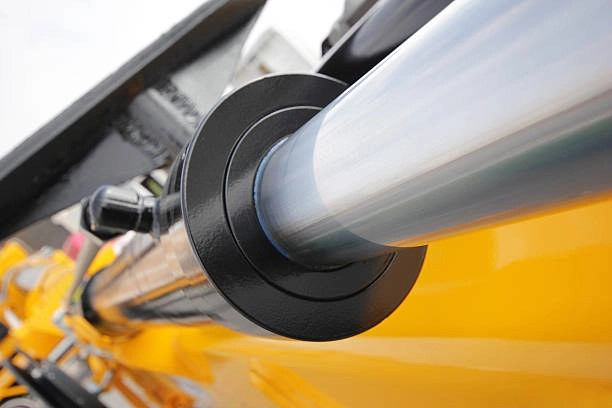
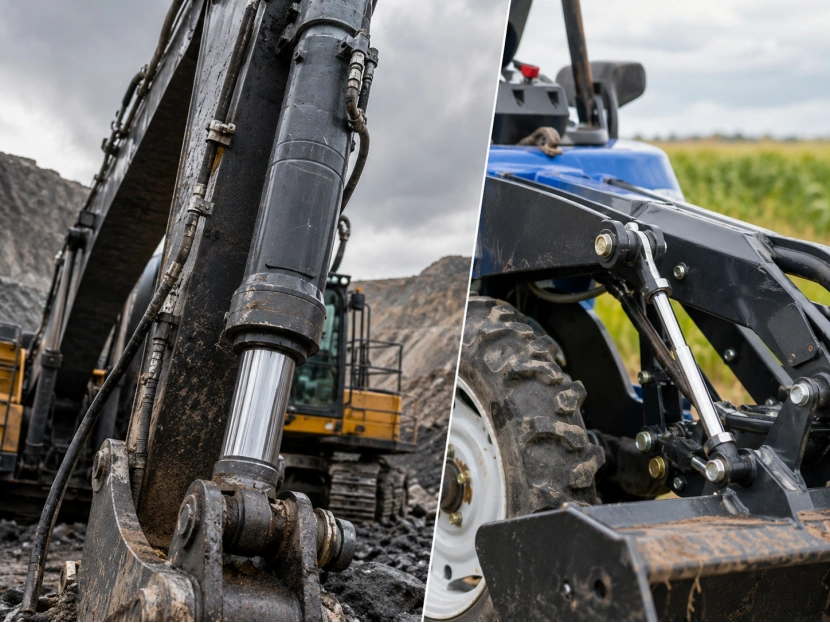
You see these cylinders in all sorts of places. Think of building-site diggers, farm crop cutters, factory squeezers, or even vehicle setups. Their flexibility stems from generating big power in a small space. Still, how well they work hinges on choosing the proper type for the job. Pick a weak or wrong one, and you risk quick damage or poor system output.
What Is a Hydraulic Cylinder
Hydraulic cylinders form a key part of today’s equipment. They turn fluid power into straight-line movement. Pressurized liquid presses on a piston within a closed tube. This creates force to push out or pull back the rod. Such a basic setup provides steady motion for tasks like raising, shoving, or squeezing.
The Role of Hydraulic Cylinders in Modern Machinery
Hydraulic setups drive plenty of current heavy gear by changing fluid push into physical action. In building tools like front-end loaders or overhead lifts, they hoist huge amounts of stuff with ease. Farmers use them to guide tools such as soil turners or planting devices accurately. Factory assembly lines count on them for squeezing, holding, or shaping work.
Various fields call for unique cylinder traits. Take agriculture: it favors setups that fight rust and manage fair pressure levels. Mining calls for sturdy builds that take hits and grit. Vehicles require small but solid movers for guiding and stopping systems.
Many people find that cylinder choice affects more than just output. It also sways upkeep expenses. A good match cuts lost time and stretches out useful life.
Heavy-Duty and Light-Duty Hydraulic Cylinders
Hydraulic cylinders split mainly into two groups by how much load they carry and how solidly they’re made: heavy-duty and light-duty kinds.
Characteristics of Heavy-Duty Hydraulic Cylinders
Engineers craft heavy-duty hydraulic cylinders for tough pressure spots—frequently over 3000 psi—and in hard spots like mine fields or metal mills. They include strong tube walls, tough alloy steel rods, toughened seals, and special outer layers that fend off scrapes and rust.
This solid structure lets them keep delivering steady force during nonstop runs or sudden jolts. You spot them in places such as:
- Building machines (diggers, earthmovers)
- Mining gear (drillers, big haulers)
- Factory squeezers that need huge push
They weigh more, yet builders design them for long runs where you can’t afford breakdowns.
Characteristics of Light-Duty Hydraulic Cylinders
Light-duty hydraulic cylinders handle jobs with milder pressure needs—usually under 1500 psi—and shorter work periods. Makers use slimmer walls and easier materials like average steel or aluminum mixes to cut down on bulk while keeping them useful.
They suit spots like:
- Farm gear such as mini lifters
- Small factory control setups
- Item-moving devices with tight room
People like them for being cheap and simple to set up. But push them past limits, and you might get leaks from seals or bends from strain.
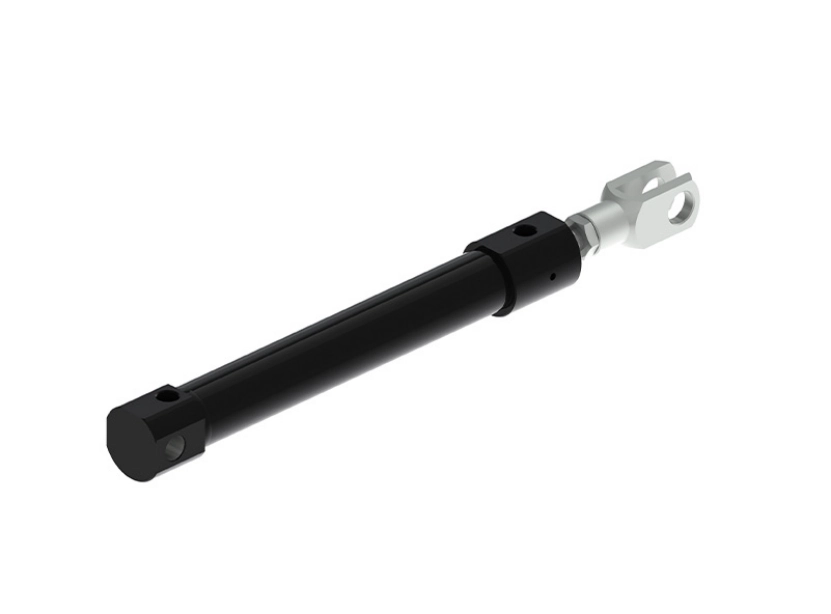
Key Differences Between Heavy-Duty and Light-Duty Hydraulic Cylinders
Before you zero in on job-specific picks, compare the two across their makeup, output, and care needs.
Structural Design Differences
| Feature | Heavy-Duty Cylinder | Light-Duty Cylinder |
| Material | High-strength alloy steel | Medium-grade steel/aluminum |
| Wall Thickness | Thick for pressure resistance | Thin for lightweight design |
| Seal Type | High-temperature & wear-resistant | Standard elastomer seals |
| Coating | Hard chrome/nickel plating | Basic rust protection |
The extra strength in heavy-duty builds boosts their ability to fight wear from repeated use. Yet it raises price and heft. Light-duty versions focus on ease of movement over tough staying power. They shine where you need to shift things around more than raw might.
Performance Capabilities
Heavy-duty cylinders hold up to greater pushes (reaching 5000 psi) with extended reaches perfect for big lifts or squeeze jobs. Their power handling dwarfs that of light-duty ones, which manage fair forces near 1000–1500 psi.
Running steady in warmth or shakes sets them apart too. Heavy-duty pieces stay firm under drawn-out strain. Light-duty types might call for breaks to avoid heat buildup or seal breakdown.
Maintenance and Durability Considerations
How often you check them ties straight to how hard you work them:
- Heavy-duty cylinders call for routine looks but swap out less thanks to better stuff.
- Light-duty ones ask for steadier care if you run them hard, as seals give out quicker in tough cycles.
Breakdown types vary as well. Heavy ones could get rod scratches from dirt. Lighter versions often deal with seal slips or rod warps from too much weight. How long they last shifts a lot by the spot they work in. A cared-for heavy cylinder might endure years in mine grit. A light one could need a new one faster if it faces constant buzz.
Choosing the Right Hydraulic Cylinder for Your Equipment
Picking heavy- or light-duty means looking beyond just weight ratings. You match tech specs to actual work conditions.
Load Requirements and Operating Pressure
First, figure the top weight your setup must lift. Bore width sets the push at set pressure points. Build in extra room for safety. Go too small, and it fails early. Go too big, and you burn extra power.
Working Environment Conditions
Heat swings, damp air, dirt clouds, or biting chemicals all shape material picks. In outdoor building jobs on sloppy ground, rust-fighting layers matter a lot. For neat inside factory lines, slim aluminum builds often do the trick.
Space Constraints and Mounting Options
Fit room guides cylinder shape. Look at attach ways like clevis for swing action, flange for firm links, or trunnion for turn moves. Tight spots lean toward stretch-out designs with several steps in short space.
Balancing Cost with Performance Needs
View expense not just as upfront cost but full ownership tally, covering care times and stoppage risks. Spend on heavy-duty where steady work tops starting price. Light-duty gives solid value in easy repeat tasks where swaps come easy.
Getting Started with Shining Hydraulic Solutions
As gear pushes for better output, tailored hydraulic fixes grow in worth.
Why Work with a Professional Manufacturer
Team up with a skilled manufacturer, and you get cylinders that fit your exact work specs—pressure span, reach length, attach style—instead of off-the-shelf pieces. Expert making offers perks like tough quality tests and after-help tech aid. These keep output solid over time.
Shining Hydraulic focuses on standard and made-to-order hydraulic cylinder production for areas like building gear, farm machines, factory control systems, and global OEM work.
- Heavy-duty hydraulic cylinders made for harsh tasks
- Light duty hydraulic cylinder choices tuned for small gear
- Telescopic models that give extra stretch
- Full custom jobs shaped to buyer needs
Every piece passes strict checks for size fit and no-leak runs before shipping.
FAQs
Q1: What determines whether I need a heavy-duty or light-duty hydraulic cylinder?
Your needed load handling and pressure levels mainly guide which type works for your setup.
Q2: Can I replace a heavy-duty cylinder with a light-duty one?
Not a good idea unless the system runs far under the first design push. Otherwise, it could break down.
Q3: How often should hydraulic cylinders be serviced?
Check times rely on how hard you use them. Tough factory runs might need looks every three months. Easier jobs can stretch longer between checks.
Q4: What materials are best for corrosion resistance?
Chrome-covered rods paired with stainless-steel tubes provide strong guard against wet or harsh stuff.
Q5: Are custom-built hydraulic cylinders worth the investment?
Yes, when off-shelf sizes miss your attach fits or output goals. Tailoring guarantees the best match and longer life in your setup limits.