Picking the proper hydraulic cylinder gland can decide if a whole hydraulic setup works well or fails. A wrong gland might cause early damage, oil leaks, and expensive stops. But a good choice leads to steady work, strong seals, and solid performance even in tough pressure spots.
What is a Hydraulic Cylinder Gland
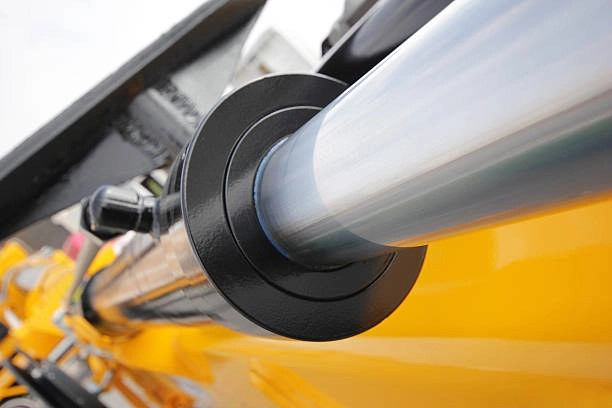
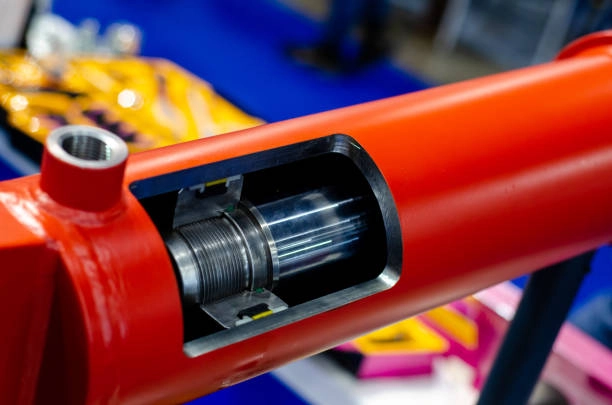
A hydraulic cylinder gland is a carefully made part that seals and directs the piston rod as it slides in and out of the cylinder. It keeps pressure inside and stops hydraulic fluid from leaking out. The gland also cuts down friction between the rod and seals. This ensures steady movement for a long time.
In tough settings, like on building sites or in factory presses, the gland has to handle high pressures, changing temperatures, and dirt from dust or bits. So, people often build them with strong materials such as hardened steel or bronze to last longer.
Why Choosing the Right Gland Type Matters
Your gland choice affects how well a hydraulic cylinder runs over its full life. If you pick the wrong one, seals might wear unevenly. You could face frequent fixes or even big breakdowns during heavy use.
When you select the right gland setup, cylinder work stays even under shifting loads. Downtime drops because maintenance gets simpler. It matches seal materials well, which helps with lubrication and keeps leaks low.
You should balance costs with what the job needs. This is key in fields where every bit of downtime means real money loss.
Threaded Hydraulic Cylinder Glands
With basics in mind, you can see how different designs play out in actual use.
Design and Functionality
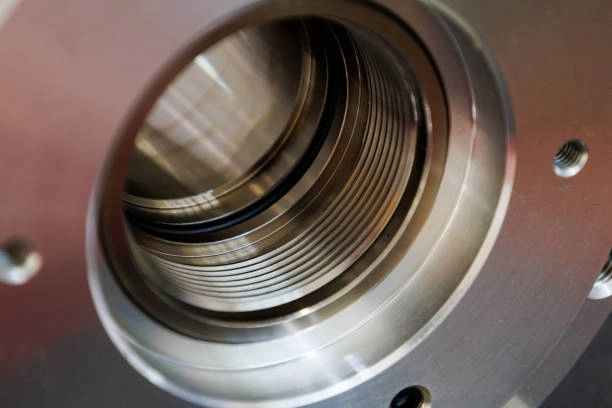
Threaded glands rank as some of the most usual kinds today. Workers screw them right into the cylinder head or cap. This creates a firm link that’s easy to take off for repairs. The threaded hold gives solid sealing. Plus, it allows simple takedown to check or swap seals.
Threads need exact cuts to avoid shifts or leak spots under pressure. Many manufacturers add thread-locking mixes or use O-rings at thread spots for extra leak protection.
Common Applications
You find threaded glands often in moving hydraulic systems. Think tractors, diggers, and farm sprayers. These see regular check-ups. They also show up in factory cylinders that need seal swaps without pulling apart the whole thing. Their quick removal suits field teams with basic tools.
Welded Hydraulic Cylinder Glands
Not every setup gains from parts you can remove. Some need lasting toughness instead.
Construction Features
Workers fuse welded glands straight onto the cylinder barrel with accurate welding methods. This join removes any mechanical links that might leak later. The welded spot makes a smooth bond. It stands up to huge inner pressures without getting loose or bent.
Since they skip removable bits at the head, welded glands help make the whole structure smaller. That’s handy when space is tight in big machine frames.
Advantages in Use
Their main plus is solid build. Welded glands shine in high-pressure jobs like mining tools, ocean hydraulics, or big presses. Here, you value dependability over easy takedown. With fewer pieces, fixes become rare. No bolts or threads need regular checks for damage.
Bolted Hydraulic Cylinder Glands
Between options you can remove and those that stay put, bolted glands offer a flexible path.
Structural Characteristics
Bolted glands rely on several bolts or screws placed evenly around the cylinder end cap. They hold it all tight. This setup ensures the rod and bore line up just right. It spreads loads across the fasteners. That’s useful where fighting torque matters in heavy cycles.
The bolts let you control pressure on seals inside the gland house. This keeps sealing force steady even after many strokes.
Where They Are Used
Bolted glands lead in large factory cylinders. You see them in steel plants, ship steering, and gear for moving materials. These spots call for strong holds plus access for planned overhauls. Folks pick bolted styles when they want toughness and tweaks without welding on site.
Snap Ring (Retaining Ring) Hydraulic Cylinder Glands
Small systems turn to basic holds like snap rings rather than threaded or bolted ones.
How Snap Ring Glands Work
Here, a retaining ring slips into a groove cut inside the cylinder tube. The gland pushes in until it hits the ring, which locks it firm without outside fasteners or welds. Though simple, this setup gives enough grip for average pressure tasks. It also keeps weight down.
Benefits for Maintenance and Assembly
Techs like snap ring glands because they go together fast with few tools. Often, just pliers do the job for ring placement. Taking apart is just as easy for seal swaps in routine checks. These perks make them a go-to for small cylinders in light factory automation or tiny lift tools. There, saving space beats raw power.
Tie-Rod Hydraulic Cylinder Glands
For standard factory setups that need modular fixes, tie-rod designs prove useful.
Design Overview
Tie rods stretch along the full cylinder body. They clamp both end caps, including the gland, tight under even pull. This keeps everything in line and fights warping from inner forces at work.
The rods boost structure. They spread stress across the whole unit. That’s vital for ongoing heavy loads in making machines.
Typical Applications and Advantages
People use tie-rod cylinders a lot in production lines, stamping tools, molding machines, and robot systems. Their modular build eases part swaps. You can pull off one end cap and its gland without messing with the rest. This cuts downtime a bunch compared to welded types. Yet, it holds exact lineup when you put it back.
Key Factors When Selecting a Hydraulic Cylinder Gland Type
Deciding on a type hinges on linked tech details, not just price.
Material Compatibility and Operating Conditions
You have to check things like max working pressure, temperature swings, fluid type, and contact with harsh agents or rough particles.
Pick materials based on that. Carbon steel works for everyday jobs. Stainless steel fights rust. Bronze handles wear well. Composites give light choices when required. Matching traits to surroundings stops early breakdown of gland faces and inner seals.
Maintenance Accessibility and Cost Efficiency
How easy fixes are counts big too. For remote spots, threaded or snap-ring glands might win due to simple on-site repairs. But fixed heavy setups could go for welded ones for their power, even with higher start costs. True savings come from weighing initial spend against how often you’ll fix over years, not just months.
How Shining Hydraulic Supports Custom Hydraulic Cylinder Solutions
Custom work often fills holes between basic designs and special job hurdles that users face in different fields.
Expertise in Tailored Cylinder Designs
Shining Hydraulic gives engineering help to tweak gland setups for your machine details. From mobile gear to auto lines, we make sure they fit various seals and pressures. We do full checks before building starts.
Commitment to Quality Manufacturing Standards
We test every hydraulic cylinder we make thoroughly. This covers size checks, surface reviews, pressure trials, and run tests that mimic real use. Top machining tech ensures steady accuracy. So, each item performs reliably, from small actuators to huge factory rams that run nonstop under hard loads.
FAQs
Q1: What does a hydraulic cylinder gland do?
It seals around the piston rod to prevent oil leakage while guiding smooth linear movement inside the cylinder housing.
Q2: Which gland type is best for high-pressure applications?
Welded glands typically perform best under extreme pressure due to their seamless construction eliminating potential leak paths at joints.
Q3: Can I replace a welded hydraulic cylinder gland?
No, welded types are permanent; replacement usually requires cutting off the old section and rewelding—a task suited only for specialized workshops.
Q4: Why would someone choose a snap ring gland instead?
Because it allows fast assembly/disassembly without special tools—ideal when frequent maintenance access is needed within confined spaces.
Q5: How do tie-rod glands improve reliability?
Tie rods maintain even clamping force across components ensuring proper alignment during repeated load cycles which enhances long-term durability of seals and bearings alike.