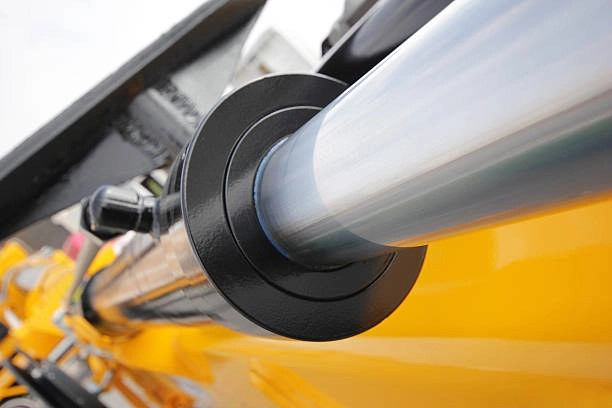
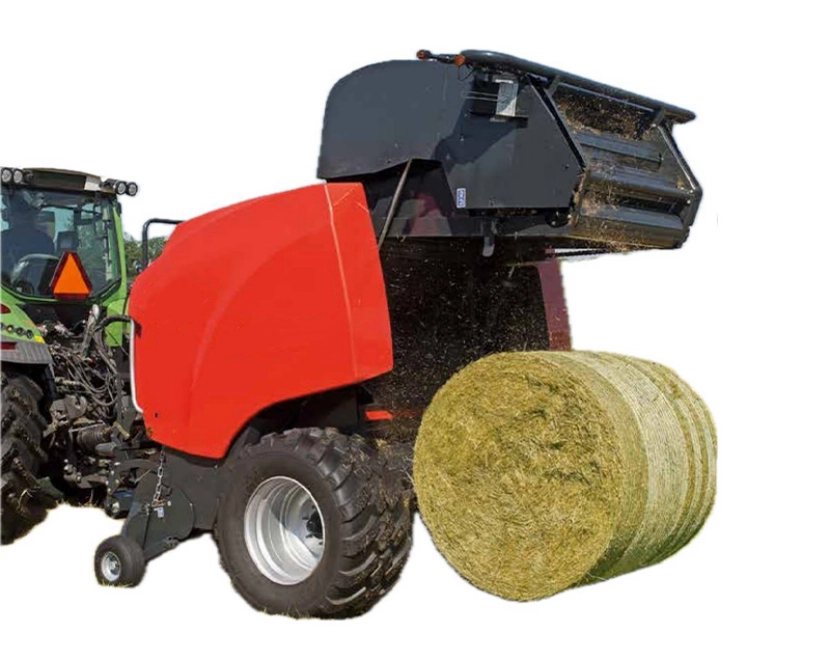
The pick-up assembly is the gateway to the entire baling process. If the crop isn’t lifted cleanly, the rest of the machine’s high-tech features—the variable chamber, the netting system, the density sensors—don’t matter much. Central to this operation is the pick-up cylinder, a component that often gets less spotlight than the main drive or the baling belts, but one that dictates field adaptability. This specific pick-up cylinder for round baler applications doesn’t just lift a heavy metal frame; it manages the ground clearance and the transition between transport and work modes.
A poorly specified cylinder leads to uneven stubble, missed crops, and a frustrated operator who has to keep stopping to adjust settings manually. When looking at round baler hydraulic cylinder design, we have to consider how it maintains the pick-up reel at a precise height even when the tractor is bouncing over uneven terrain. For those involved in sourcing an agricultural hydraulic cylinder for OEM applications, understanding that this cylinder is a critical interface between the machine and the ground is the first step toward building a more reliable baler.
A Pick-up Cylinder Is Not Just a Lifting Component
It is easy to view a hydraulic cylinder as a simple linear actuator. You apply pressure, the rod extends, and the pick-up rises. But in a round baler, the pick-up cylinder is a dynamic control element. It has to hold the pick-up reel at a specific working height to ensure optimal crop flow. If the cylinder drifts or lacks the responsiveness to adjust to field obstacles, the crop flow becomes turbulent, leading to clogs.
During headland turns or when moving between fields, the cylinder must retract or extend quickly to lift the entire assembly out of harm’s way. This isn’t just about speed; it’s about the stability of the assembly during high speed transport. If the cylinder is under damped or the mounting is flimsy, the whole pick-up reel can vibrate violently, causing fatigue in the baler’s frame. The overall operator experience is directly tied to how smoothly this cylinder functions. If it’s jerky or inconsistent, the driver loses confidence in the machine’s ability to clear the ground.
Where Pick-up Cylinder Design Often Affects Field Reliability
Field reliability is where the “standard” cylinder often fails. Agricultural environments are brutal, and the pick-up area is the front line.
Repeated Lifting Cycles and Seal Fatigue
A round baler might lift and lower its pick-up hundreds of times in a single day. Each cycle puts a pulse of pressure through the system. This leads to round baler pick-up cylinder seal failure if the seal material isn’t rated for high frequency cycling or if the internal tolerances allow for excessive friction. Hydraulic cylinder leakage in agricultural machinery is usually not a sudden burst but a slow weep that starts at the rod seal because the internal pressure spikes have finally worn down the polymer’s edge.
Dust, Crop Residue, and Rod Surface Protection
The pick-up is located right where the dust is thickest. Dry hay, straw, and fine soil particles coat everything. When the rod retracts, it carries these abrasives toward the seals. This is why rod surface protection is non-negotiable. A high quality cylinder needs a hard chrome plating or an even more durable induction hardened surface to resist scratching. If the rod surface is compromised, the seal is doomed. We often see cylinders that look fine from a distance but have microscopic pitting that acts like sandpaper on the internal seals.
Vibration and Mounting Point Stress
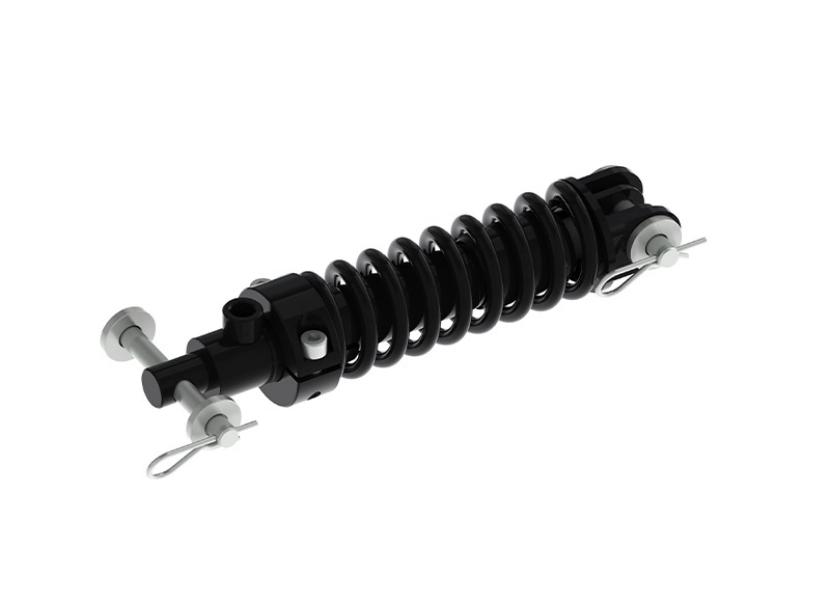
Round balers vibrate—a lot. The pick-up assembly is often cantilevered, meaning the cylinder takes a significant amount of side loading and vibration. If the clevis ends or mounting eyes aren’t welded with deep penetration, or if the pin bushings are too soft, the mounting points will ovalize. This creates “slop” in the system, making precise height control impossible.
What Should OEMs Confirm Before Customization?
When an OEM works on a new baler platform, they shouldn’t just pick a cylinder from a catalog.
Stroke Length and Pick–up Movement Range
The stroke must be calculated based on the geometry of the pick-up’s pivot point. If the stroke is too short, the pick-up won’t clear high windrows or transport obstacles. If it’s too long, the cylinder might bottom out before the mechanical stop, putting immense stress on the cylinder’s internal head or the baler’s chassis. It’s about finding the “sweet spot” where the cylinder operates in its most stable range.
Bore and Rod Diameter Selection
Bore size determines the lifting force. You need enough power to lift the pick-up even when it’s bogged down with wet crop residue. However, the rod diameter is equally important for structural integrity. A thin rod might handle the tension of lifting, but it can buckle under the compressive loads encountered if the pick-up hits a hidden rock or a mound of dirt while moving.
Mounting Type and Installation Space
Space is always at a premium near the front of a baler. OEMs need to confirm whether a cross tube, clevis, or spherical bearing mount is best for their specific movement trajectory. A spherical bearing is often a smart choice because it allows for a bit of misalignment caused by the baler frame flexing under load, preventing the rod from binding.
Standard Cylinder vs. Custom Pick-up Cylinder: Which Is Better for Round Baler OEMs?
Standard hydraulic cylinders are great for stationary industrial equipment, but they rarely survive the “shock and awe” of a hay field. For a round baler OEM, a custom pick-up cylinder for round baler is almost always the better investment. A custom design allows for integrated valves, such as pilot operated check valves, which prevent the pick-up from “creeping” down during operation.
Working with an OEM hydraulic cylinder supplier means you can specify the exact paint finish to match the baler’s brand, the exact port orientations to simplify hose routing, and the specific seal kits for high temperature or high dust environments. In the long run, custom hydraulic cylinders for agricultural machinery reduce the total cost of ownership by eliminating the need for field retrofits and reducing the number of warranty claims.
How Can Cylinder Design Help Reduce OEM After Sales Issues?
After sales issues are the “silent killer” of OEM profitability. A well designed cylinder addresses this at the source. By using superior seal technology, you drastically reduce the chance of early season leaks. By choosing the right rod material and surface treatment, you prevent rust during the off season when the baler might be sitting in a damp shed.
Furthermore, consistent manufacturing processes ensure that every cylinder in a batch of 500 performs exactly like the first one. This consistency makes assembly faster and prevents those “one off” failures that are so hard to diagnose. When the cylinder is built to handle the specific vibrations and loads of a round baler, the mounting pins don’t wear out prematurely, and the frame doesn’t crack from unexpected stress.
Need a pick-up cylinder designed for your round baler platform? Shining Hydraulic can support OEM projects with customized hydraulic cylinder solutions for agricultural machinery applications.
FAQ
Q: Why does my pick-up cylinder keep leaking even after I replace the seals?
A: It is likely that the piston rod has microscopic scratches or is slightly bent. Even a tiny deviation can ruin a new seal within a few hours of operation. Also, check if the mounting is causing side loading.
Q: Can I use a single acting cylinder for the pick-up?
A: Many older designs did, relying on gravity to lower the pick-up. However, double acting cylinders provide much better control, especially when you need to force the pick-up down into heavy crops or maintain a very specific height.
Q: What is the benefit of induction hardening for the rod?
A: It makes the surface much harder and more resistant to impacts from stones or debris kicked up during baling, which protects the integrity of the chrome layer and the seals.