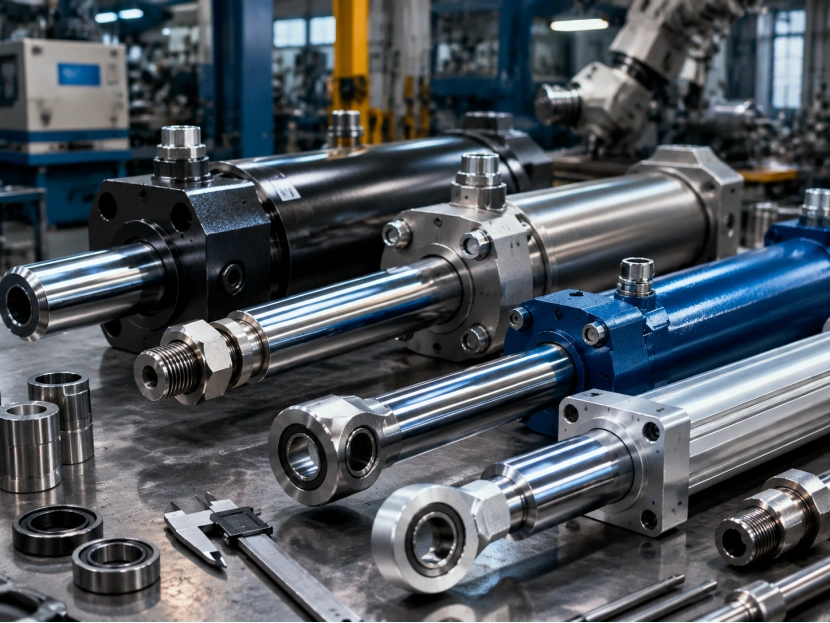
Picking the proper material for hydraulic cylinders goes beyond a simple technical choice. It forms the base of your machine’s daily output. It decides how long the equipment survives. It also dictates your future upkeep needs. The ideal metal relies heavily on the actual workspace. It depends on fluid pressure loads. It also hinges on contact with harsh, rusting agents. Smart choices lead to fewer sudden stops. They create fluid movements. Ultimately, they build a much safer setup for everyone.
Why Material Choice Matters for Hydraulic Cylinder Performance
A tube built from a poor alloy might work fine at first. However, it will break down fast in actual field tasks. Many setups face intense pressures or harsh outdoor weather. In these spots, metals that fight off metal fatigue and rust guarantee steady results.
What Happens If the Wrong Material Is Used?
Stress cracks can easily grow on the piston rods. Rust might slowly destroy the smooth barrel walls. Internal seals can break down too early because of bad surface pairing. These flaws cause a huge drop in power. They can even create serious safety risks if a unit bursts under a heavy load.
The final results hurt both the machine and your budget. Sudden repair stops pause the entire factory line. They also drive up the cost of spare parts.
Common Materials Used in Hydraulic Cylinder Construction
Various jobs require distinct metal types.
Carbon Steel: The Industry Standard
Carbon steel stays the most common choice for basic hydraulic cylinders. It provides a great mix of low price and solid physical strength. It manages normal pressure levels quite well. Makers can also shape it easily into very exact parts. Yet, carbon steel tends to rust quickly. This happens if it touches water or harsh chemicals. Because of this, protective layers like thick paint or chrome plating are totally vital.
| Property | Carbon Steel |
| Strength | High |
| Corrosion Resistance | Low (requires coating) |
| Cost | Low |
| Typical Use | Industrial machinery with controlled environments |
Stainless Steel: When Corrosion Resistance Is Key
Ocean setups and food-safe tasks need strict cleanliness. They also demand high moisture defense. In these spots, stainless steel truly shines. It holds a good amount of chromium. This creates a special hidden layer. This layer stops rust even during constant contact with water or salty air. Stainless options cost more money than plain carbon steel. Still, they lower your washing needs. They also push out your repair dates by a huge margin.
| Property | Stainless Steel |
| Strength | Moderate–High |
| Corrosion Resistance | Excellent |
| Cost | Higher |
| Typical Use | Marine, chemical plants, food processing |
Alloy Steel: For Heavy-Duty Applications
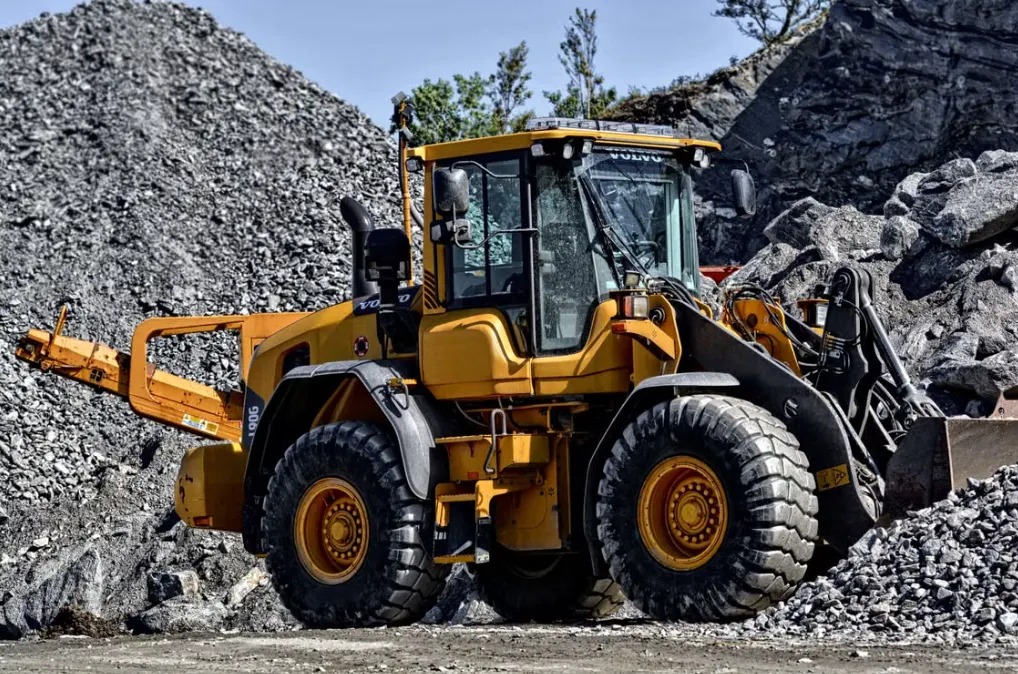
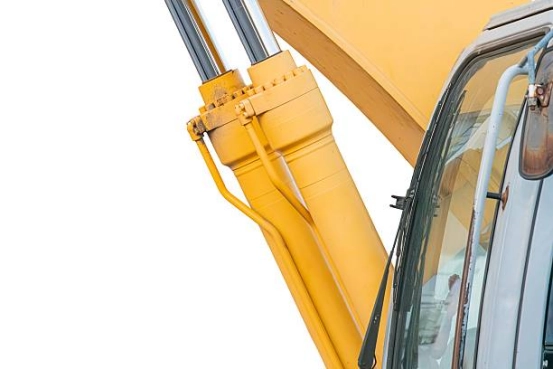
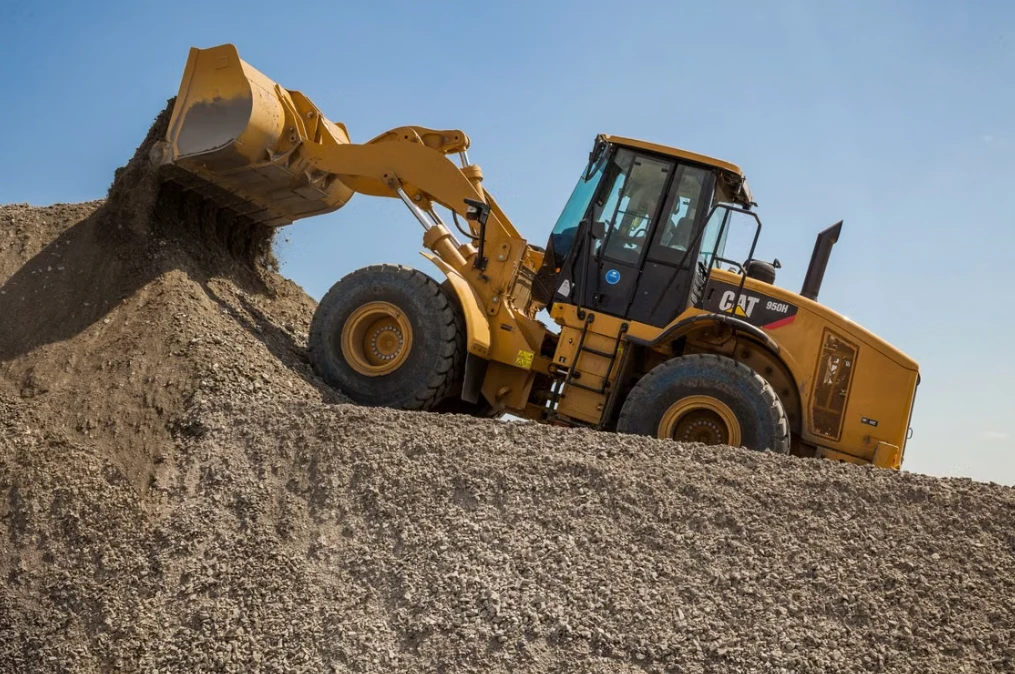
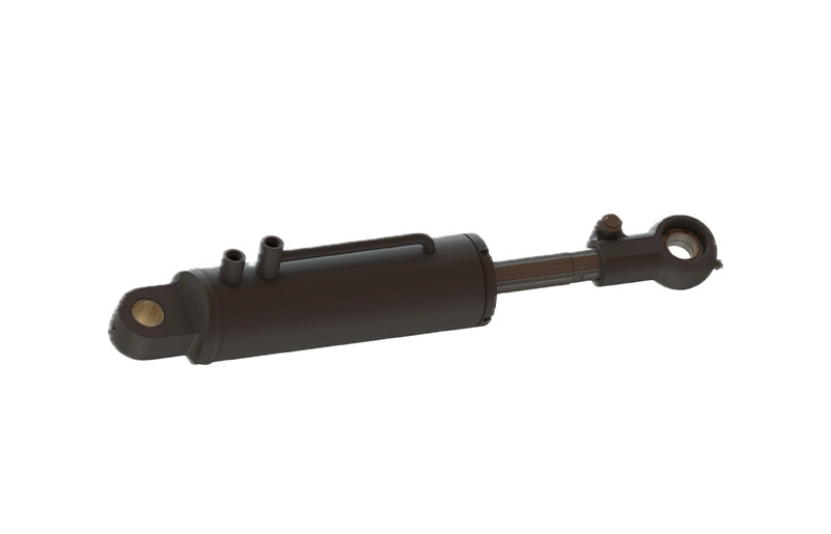
Alloy steels mix in extra elements like chromium, nickel, or molybdenum. These additions boost the raw hardness and stretching strength. Workers apply a heat treatment to the metal. After this step, the steel becomes perfect for extreme tasks. These units handle massive weights. You often see them in huge mining trucks or tall building cranes. Alloy steel hydraulic cylinders are used in heavy machinery such as excavator boom cylinders, mining truck lifting cylinders, or crane telescopic boom cylinders.
Aluminum: Lightweight Yet Efficient Option
The biggest benefit of aluminum is its extreme lightness. Many flying machines or movable tools use mobile hydraulics. In these spots, cutting the total weight boosts fuel savings. It also makes the machine much easier to steer. Aluminum mixes naturally fight off rust by forming a thin oxide skin. However, they do not fit into extreme pressure setups. Their bending strength falls short when you compare them to tough steels. Aluminum alloy hydraulic cylinders are more suitable for lightweight machinery, such as small lifting platforms and auxiliary mechanisms for light vehicles.
How to Choose the Right Material for Your Hydraulic Cylinder
No single metal solves every single problem. You will always face a trade-off between the asking price, the total lifespan, and the final weight.
What Factors Should You Consider Before Selecting a Material?
Begin by noting your machine’s highest working pressure. You must also track the daily heat levels. A unit pushing 3000 psi requires much tougher metals than a unit staying under 1000 psi. The local climate also plays a massive role. Salty ocean air demands highly rust-proof metals. You must use stainless steel or specially coated alloys in those spots.
You should also think carefully about these points:
- The planned lifespan before a major rebuild
- How easily workers can reach the unit for repairs
- The strict weight limits of your base machine
- How well the metal reacts to specific hydraulic fluids
Weighing all these details helps you avoid bad choices. You will not overbuild the unit. You will avoid spending extra money on useless features. At the same time, you will easily meet all strict safety rules.
Balancing Cost and Performance in Material Selection
The initial price tag often guides buying choices. Yet, the total lifetime cost reveals the real truth. A cheap tube might rust deeply within two short years. Replacing it often costs much more than buying a top-tier unit. A premium unit can easily last ten years with only basic care.
You should work closely with skilled builders. These experts fully grasp both metal science and real-world job needs. This teamwork allows for smart custom tweaks. You end up picking not just what works, but what works perfectly for your exact factory.
Surface Treatments That Enhance Cylinder Longevity
Even the toughest metal gains a lot from extra defense layers. These coats are built to fight daily rubbing and bad weather.
Why Surface Coating Makes a Difference in Cylinder Durability
Every single push inside a hydraulic cylinder creates rubbing. This friction happens between the tight seals and the hard rod walls. Tiny scratches build up over the months without a good surface finish. This slow damage causes fluid leaks or total seal breaks. Special coats stop this exact harm. They build much smoother sliding zones. They also block the deep rusting caused by trapped water.
Common Surface Treatment Options for Hydraulic Cylinders
Chrome Plating: Delivers great wear defense. It offers very low rubbing traits. This makes it perfect for piston rods facing constant movement under heavy pressure.
Nickel Plating: Gives amazing chemical defense in harsh spots. You see this need on deep sea oil rigs or strong acid plants. In these places, normal paints fail very fast.
Nitriding: Changes the skin makeup using high heat. This step adds nitrogen particles to harden the outside walls. It keeps the inner metal flexible. This is a great pick when you need extreme hardness but cannot risk sudden shattering.
Why Partnering with Shining Hydraulic
A trusted manufacturer can revolutionize hydraulic cylinders by delivering consistent superior quality across multiple batches. Shining Hydraulic uses tested raw materials sourced from a reliable supply chain and employs modern cutting and heating processes to ensure precise machining results. Customized metal material recommendations are provided based on your machine’s daily operating needs. Rigorous internal testing ensures that every hydraulic hose meets global safety and longevity standards.
Shining Hydraulic combines precise design with extremely stringent testing standards to ensure that every product operates smoothly in harsh field environments, withstanding everything from salty sea breezes to the immense pressures of factory conditions.
FAQs
Q1: What is the most common material used for hydraulic cylinders?
Carbon steel is the most common pick. It gives strong physical traits at a very fair price. You just need to pair it with good protective paint or plating.
Q2: Are stainless-steel hydraulic cylinders worth the extra cost?
Yes, they are. This is very true in areas filled with wet air or harsh acids.
Q3: Can aluminum cylinders handle high pressure?
Aluminum performs nicely for low and medium loads. However, it is not the best choice for extreme industrial tasks. Its stretching strength is just too low for those massive weights.
Q4: How do surface treatments extend cylinder life?
Special coats like chrome plating lower the daily rubbing damage. They also stop deep rust from growing on bare parts like rods or end caps.
Q5: What factors influence material selection most?
The working pressure limits and the local weather matter a lot. You must also look at the wanted lifespan, the repair plans, and the final lifetime cost. These are the main points when picking metals for hydraulic cylinders.