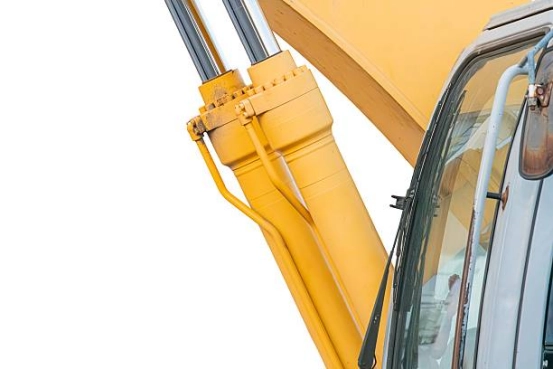
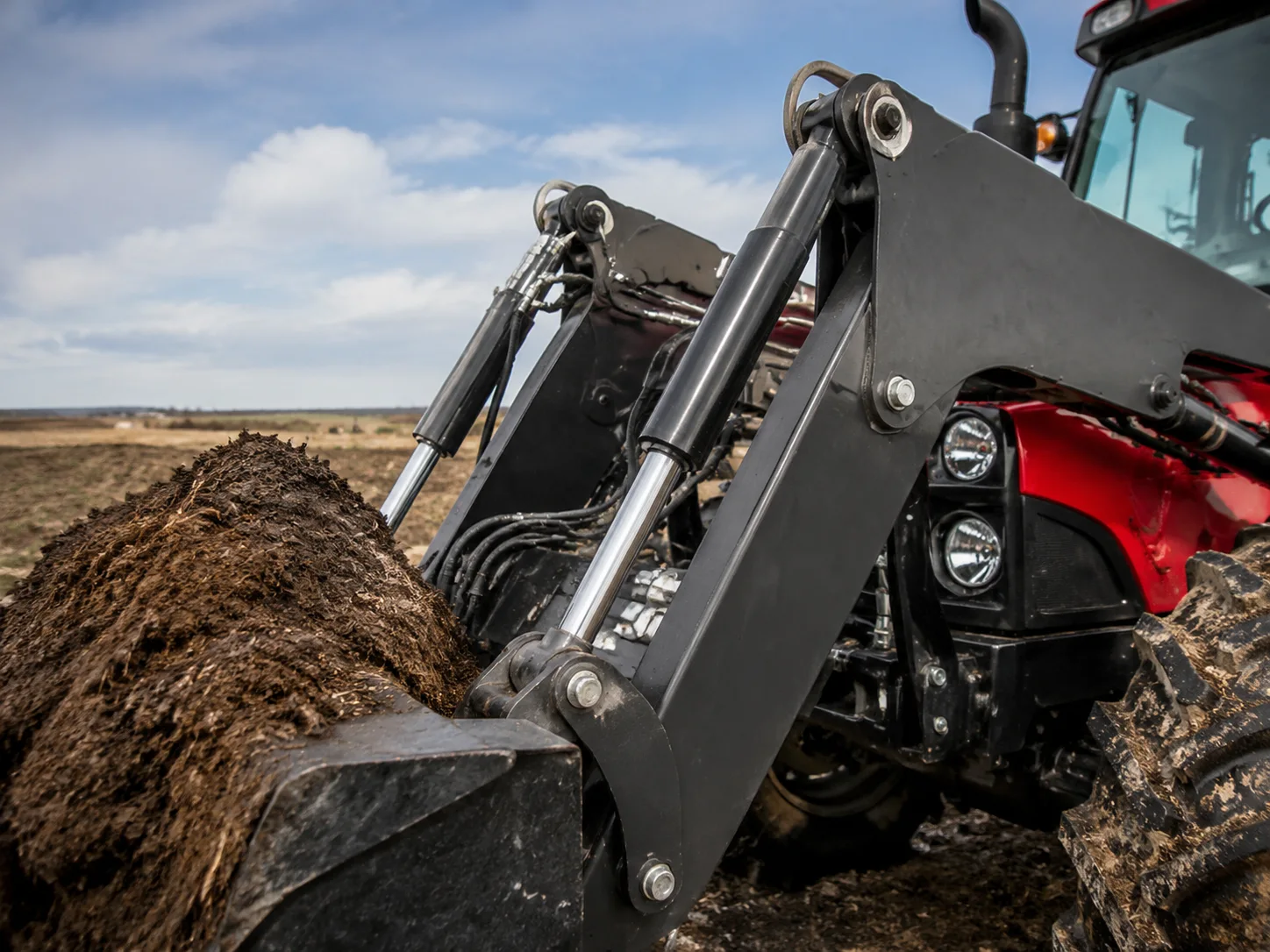
Modern farming relies greatly on the exactness and dependability of hydraulic systems. When a tractor’s hydraulic cylinders work effectively, tasks in the field become much smoother. The work gets done faster. It also requires less physical effort. Numerous operators observe that the difference between a slow attachment and a quick-reacting one usually comes down to the caliber and setup of its hydraulic cylinders. Picking the correct tractor hydraulic cylinder is therefore not merely about raw strength. It is about getting steady results in tough environments.
Common Types of Tractor Hydraulic Cylinders
Tractors normally utilize two primary cylinder categories:
- Single-acting cylinders, which push in just one direction. They depend on gravity or an outside weight for the backward motion.
- Double-acting cylinders, which apply force in both directions. This allows for more fluid command over tools such as loaders or backhoes.
Another specific type is the suspension cylinder. It is utilized in modern tractor suspension setups to soak up bumps. It also keeps the machine steady over rough dirt. These parts assist in sharing weights between the front and back wheels. This boosts grip and driving ease during field tasks.
Standard agricultural hydraulic cylinders are made to fit many machines and save money. Meanwhile, custom types let makers adjust the stroke length, attachment method, or sealing setups for distinct equipment styles.
Key Factors to Consider When Selecting Tractor Hydraulic Cylinders
Picking the ideal cylinder means more than just looking at sizes. It is about matching the power, the build materials, and the system fit with your daily work needs.
Load Capacity and Operating Pressure Requirements
Cylinder strength must fit the tractor’s load needs. This prevents early breakdown or part failure. The bore size decides how much push the cylinder can make at a set pressure. Bigger bores give more strength. However, they need more fluid amount. Stroke length shows how far the piston moves. This length should match the movement range your tool needs.
| Parameter | Typical Range | Impact on Performance |
| Bore Diameter | 40–150 mm | Determines lifting force |
| Stroke Length | 100–800 mm | Defines movement distance |
| Operating Pressure | 16–25 MPa | Affects speed and stability |
Greater operating pressure boosts quickness. But it needs tougher seals and exact crafting to keep performance steady under non-stop use.
Cylinder Material and Surface Treatment
For lasting power under tough farming settings like dirt, wetness, and fertilizer contact, strong steel is still the top choice. Rust-fighting layers, like chrome plating or nickel finishes, guard piston rods against rust and small holes. A smooth surface finish also lowers rubbing on seals. This stretches their useful life and cuts down the chance of leaks. When tractors run all year outside, this mix of toughness and shield directly affects upkeep costs over the years.
Compatibility with Hydraulic Systems and Attachments
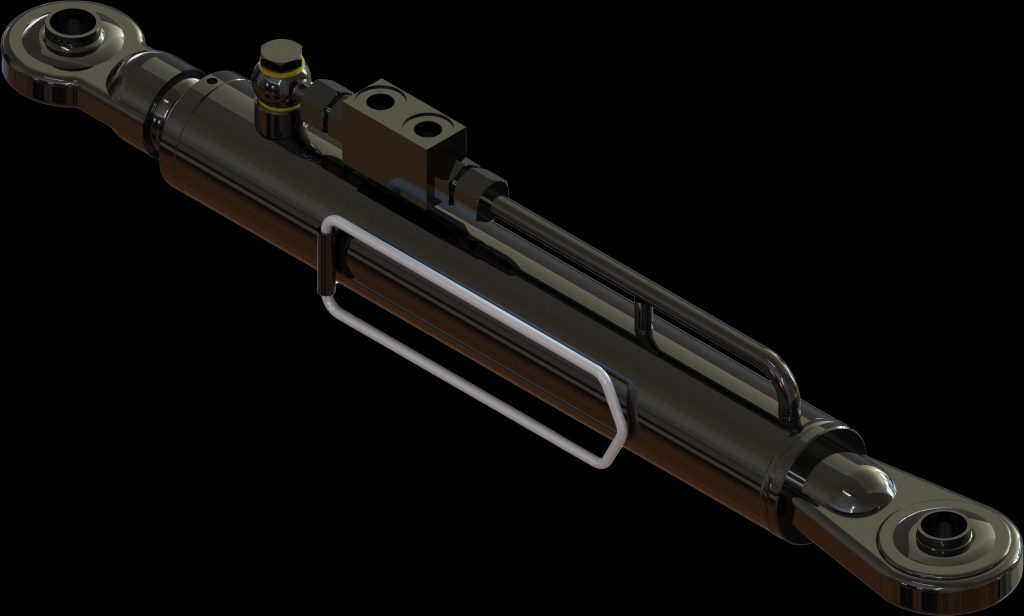
A properly matched cylinder needs to blend perfectly with the tractor’s current hydraulic loop. That means checking for the right port sizes for fluid speed. It also involves having fitting mounting types like clevis, trunnion, or flange. Proper connection threads or joints are also needed. Different tools, like front loaders compared to rear plows, frequently need special stroke lengths or softening traits. Fixing details early stops expensive changes later when putting on new tools.
Design Features That Enhance Field Performance
After the main details are fixed, design tweaks can greatly better real-world results during hard field jobs.
Sealing Systems for Reliable Operation
Top-tier sealing systems stop inside leaks even when weights change. Materials such as polyurethane or nitrile rubber do a good job in normal settings. New seal shapes also cut down rubbing waste. They stretch the time between fixes. This is a great benefit when broken machines mean missing harvest time.
Stroke Control and Cushioning Mechanisms
Changeable stroke stops assist drivers in avoiding stretching too far. This could break rods or mounts. Built-in softening parts take the hit at the end of the stroke points. This makes loader actions gentler when hoisting heavy bundles or dirt buckets. This not only boosts driver ease. It also lowers strain on joints and pins all over the machine frame.
Suspension Cylinder Applications in Tractors
Suspension cylinders have a special job beyond just moving things. They steady tractors driving over bumpy ground. They do this by actively shifting the load spread between the tires. This betters grip during digging or moving jobs. It also gives a smoother trip for drivers working long shifts in the seat. Built-in suspension setups using these cylinders can on their own change the softening amounts based on load heaviness or speed. This perfects control without needing hand changes.
Maintenance Practices to Extend Cylinder Lifespan
Even top-level agricultural hydraulic cylinders require steady care. This ensures they give long-lasting solid results.
Routine Inspection and Preventive Care
Normal checks should involve looking at seals for drips. You should also check rods for scratches or rust spots. Tightening joints and making sure covers stay whole are important steps. Keeping hydraulic fluid pure is just as vital. Dirt speeds up inside wear on pistons and valves. Many repair workers plan service times based on how hard the work is. Changing filters on schedule stops dirt pile-up. This dirt could harm the pressure balance inside the setup.
Troubleshooting Common Hydraulic Cylinder Issues
When signs like sinking (the tool slowly dropping), slow action, or inside leaking show up, finding the problem fast saves repair money. Figuring out if the trouble comes from part damage like a bent rod or an inside seal break is helpful. It helps decide if fixing it is possible or if a total swap is needed. A well-kept service log assists repair workers. They can spot repeating troubles before they grow into broken machines during the busy season.
Custom Hydraulic Cylinder Solutions from Shining Hydraulic
Certain machine makers need more than ready-made pieces. They require custom-designed fixes made perfect for their gear lines.
Tailored Designs for Agricultural Equipment Manufacturers
Shining Hydraulic gives engineering skill focused on making custom agricultural hydraulic cylinders. These are fit for tractors and tools used all over the globe. Engineers look at buyer needs, from load types to fitting limits. Instances include small double-acting lift cylinders made just for thin-row grape tractors.
Quality Assurance and Global Support Services
Exact cutting rules make sure every piece fits tight size limits. Strict tests check pressure strength before sending them out. Each item has clear tracking marks through making logs. This promises clear tracking across world supply lines. Beyond making good items, Shining Hydraulic helps buyers with tech advice. This covers setup help and life-stretching plans. It assists OEMs in keeping steady quality across world markets where solid results make a brand’s good name.
FAQs
Q1: What does a tractor hydraulic cylinder do?
It changes pressurized fluid power into straight movement. This moves lifting arms, turning setups, or other tractor tools.
Q2: How do I choose between single-acting and double-acting cylinders?
Pick single-acting types when gravity takes care of the return move. Pick double-acting ones when guided two-way movement is needed.
Q3: Why are suspension cylinders important?
They keep tractors steady on bumpy grounds. They do this by sharing weights across wheels, which betters grip and ease during field jobs.
Q4: What causes internal leakage in hydraulic cylinders?
Old seals or dirty oil usually cause fluid to slip past the piston area inside.
Q5: How often should I service my tractor’s hydraulic system?
For normal farm use, check it every 250 hours under light jobs. Or check it every 100 hours if working non-stop under heavy weights. This ensures the best lasting results.