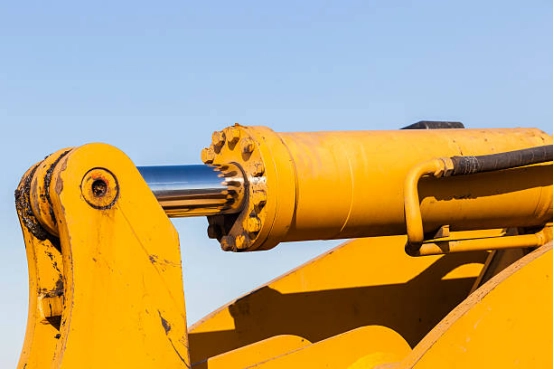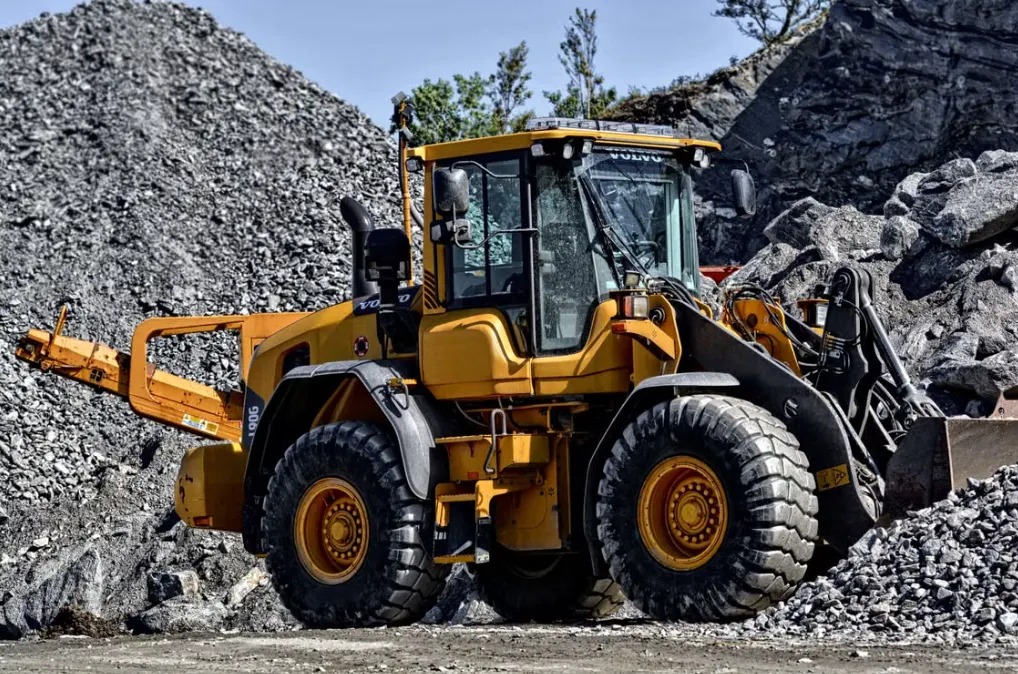
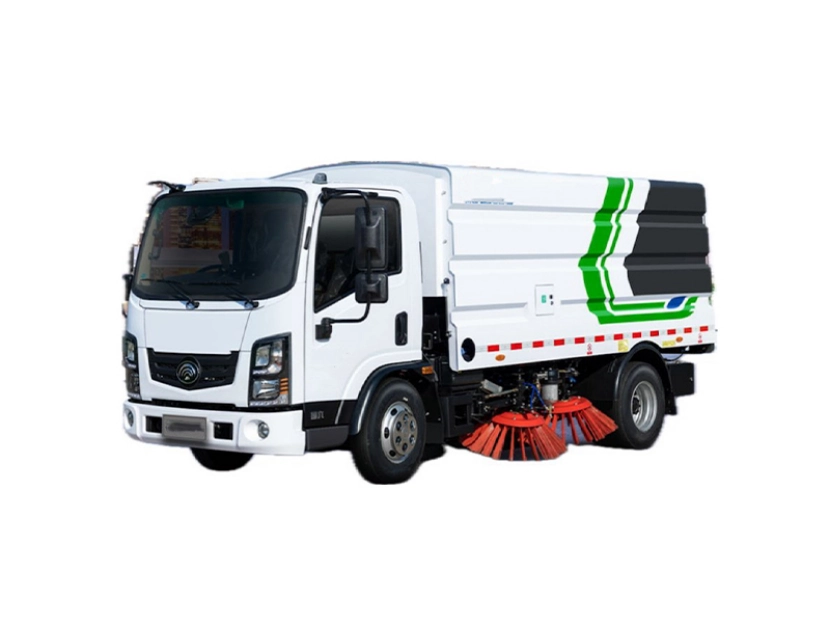
A road sweeper may use several hydraulic cylinders, and from a distance they can look much the same. Similar barrel. Similar rod. Two mounting points and a pair of ports.
Their jobs, however, are quite different.
A sweeping disc cylinder moves frequently and works close to road contamination. A nozzle cylinder needs controlled positioning near the ground. A hopper cylinder may remain still for most of a shift, then lift several tonnes during unloading. Treating these cylinders as interchangeable often leads to poor cleaning, premature seal wear or an expensive mechanical failure.
What Roles Do Hydraulic Cylinders Play in a Road Sweeper?
Hydraulic cylinders convert fluid pressure into the linear movement needed to position the sweeper’s working components. Depending on the machine design, they may:
- Raise, lower or extend the sweeping discs
- Position the suction nozzle
- Lift or tip the debris hopper
Each movement creates a different load pattern. A brush arm may cycle dozens of times during a working shift. A hopper cylinder cycles less often but carries a much larger load. The rear door may require only a short stroke, yet it must remain tightly closed against wet, compacted debris.
That difference in duty matters more than the cylinders’ outward appearance.
What Does a Sweeping Disc Cylinder Do?
A sweeping disc cylinder positions the side brush against the road surface. Depending on the linkage, the cylinder may raise and lower the disc, extend it beyond the vehicle body or control both movements through a pivoting arm.
This is usually a compact installation. Space is limited by brush motors, hoses, guards and the vehicle chassis. The cylinder must provide enough stroke without interfering with nearby components.
Movement quality is important. If the disc drops too far, excessive down pressure wears the bristles and can push the brush away from the curb. If it does not lower far enough, a narrow strip of debris remains untouched. Operators notice this quickly—usually as a dirty line along the pavement edge.
A damaged rod wiper is a small fault here, but not for long. Fine road grit follows the rod into the seal area and leakage soon appears.
How Is a Nozzle Lifting Cylinder Different?
A nozzle lifting cylinder controls the height of the suction nozzle above the road. The required movement may be short, but it needs to be predictable.
A nozzle set too high loses collection efficiency, particularly with sand and fine debris. Set too low, it may strike raised covers, curbs or broken pavement. On uneven municipal roads, the margin can be surprisingly small.
Positioning matters more than raw force in many nozzle applications. Mounting geometry also deserves attention. Replacing a cylinder with the correct stroke but a different closed length can change the entire movement arc. The nozzle may look normal while raised, then fail to reach its intended working height.
Why Does a Hopper Cylinder Need Greater Lifting Capacity?
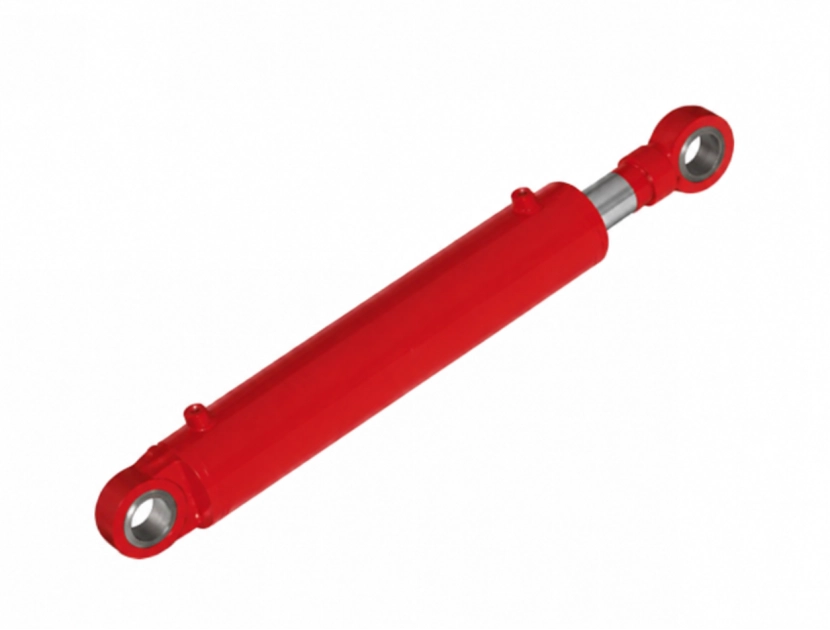
The hopper cylinder handles the heaviest hydraulic task on most road sweepers. It lifts or tips the debris container so the collected material can be discharged. Some machines use one central cylinder; others use a matched pair.
The load is not just the empty hopper. Wet leaves, sand and compacted street debris can add substantial weight. Worse, the load changes position as the hopper rises. Cylinder force must be checked across the full tipping geometry, especially near the start of the lift where leverage may be poor.
Important requirements include:
- Adequate bore size and working pressure
- Sufficient stroke to reach the required tipping angle
- Strong pins, bushings and mounting brackets
- Resistance to side loading and pressure spikes
A larger cylinder is not automatically safer. It may overload the mounting structure or require more hydraulic flow, making the tipping cycle painfully slow. The cylinder, linkage and hydraulic circuit have to work as one system.
What Are the Main Differences Between Sweeping Disc, Nozzle and Hopper Cylinders?
The practical differences become clearer when the duty cycles are compared directly.
| Feature | Sweeping Disc Cylinder | Nozzle Lifting Cylinder | Hopper Cylinder |
| Main function | Positions the sweeping disc | Controls suction-nozzle height | Lifts or tips the debris hopper |
| Typical load | Light to medium | Light to medium | Heavy |
| Cycle frequency | High | Medium to high | Low |
| Main design priority | Compact, repeatable movement | Accurate positioning | Force and load stability |
| Main exposure | Dust, water and road grit | Moisture, dirt and impact | Dirt, heavy loads and pressure spikes |
| Critical dimensions | Stroke and mounting length | Stroke and closed length | Bore, stroke and pin geometry |
These are working distinctions, not rigid rules. A large airport sweeper may place unusually high loads on its brush cylinders. A compact pavement sweeper may use a relatively small hopper cylinder. Machine geometry decides more than the equipment label.
How Should You Select the Right Cylinder for Each Application?
Selection should begin with the machine, not a product photograph. For a replacement cylinder, record the existing dimensions before disconnecting the hoses. Measure pin centers in both the retracted and extended positions where possible.
The specification should include:
- Required pushing or pulling force
- Bore and piston rod diameter
- Retracted length and extended length
- Effective stroke
- Maximum working pressure
- Mounting and pin dimensions
- Port type, size and orientation
- Operating temperature
- Seal and rod materials
- Expected cycle frequency
- Exposure to water, salt, dust or chemicals
Load direction needs checking as well. Hydraulic cylinders are designed to carry axial force. A misaligned bracket can apply side load to the rod, wearing the guide and seal even when the pressure specification is correct.
For machines requiring application-specific dimensions, a road sweeper hydraulic cylinder can be specified around the sweeping disc, nozzle, rear-door or hopper mechanism.
Need a reliable hydraulic cylinder solution for your road sweeper?
Contact Shining Hydraulic today to discuss your road sweeper cylinder needs and get a customized solution that delivers reliable performance, longer service life and reduced maintenance costs.
Frequently Asked Questions
Q: Can the same hydraulic cylinder be used for the sweeping disc and nozzle?
Only if the force, stroke, mounting length, pin dimensions and operating conditions genuinely match. Similar appearance is not enough. In practice, the two mechanisms often require different movement geometry.
Q: How do you calculate the lifting force of a hopper cylinder?
Theoretical cylinder force is hydraulic pressure multiplied by piston area. Actual hopper lifting performance also depends on linkage angle, friction, system losses and the changing position of the hopper’s center of gravity.
Q: When should a road sweeper cylinder be replaced?
Replacement is usually appropriate when the rod is bent, the barrel or mounting points are damaged, or repeated seal repairs do not stop leakage and drift. Worn seals alone may justify rebuilding rather than replacing the complete cylinder.