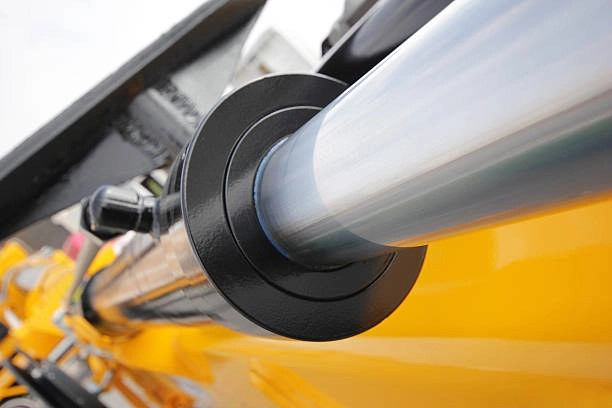
Today’s farms need more than just good soil and quality seeds. They rely heavily on strong systems to move, lift, and guide machinery with great accuracy. Hydraulics make all of this happen. Without hydraulic cylinders, tractors could not lift heavy plows. Harvesters would fail to move their cutting heads. Loaders could not shift large amounts of material quickly. Adding hydraulic technology has changed farming completely. It shifted the industry from hard manual labor to highly effective operations.
Why Are Hydraulic Systems Essential in Agricultural Machinery?
Inside tractors, harvesters, loaders, and sprayers, hydraulic cylinders manage many parts. They control everything from lifting arms to steering setups. It helps with lifting, steering, and placing equipment. The mix of great strength and sharp accuracy helps farmers.
Key Advantages of Using Hydraulic Technology on Farms
Hydraulic systems offer a few clear benefits. These benefits directly boost farm output:
- Consistent Power Output: Even when load weights change a lot, hydraulics keep a steady force during all movements.
- Reduced Manual Labor: Machines with hydraulic cylinders lower physical stress. They allow workers to do much more work in less time.
- Enhanced Efficiency: Quicker cycle times and smoother handling lead to better output. This is very helpful during busy planting or harvesting times.
- Customization Flexibility: Hydraulic circuits can be changed to fit special equipment needs. They can also support automatic steps. This helps both standard and precision farming methods.
Almost every new piece of farm machinery uses hydraulics as a main system, not just as an extra choice.
Common Applications of Hydraulic Cylinders in Agricultural Equipment
From big tractors to vital irrigation systems, hydraulic cylinders do many different jobs.
How Do Hydraulic Cylinders Work in Tractors and Loaders?
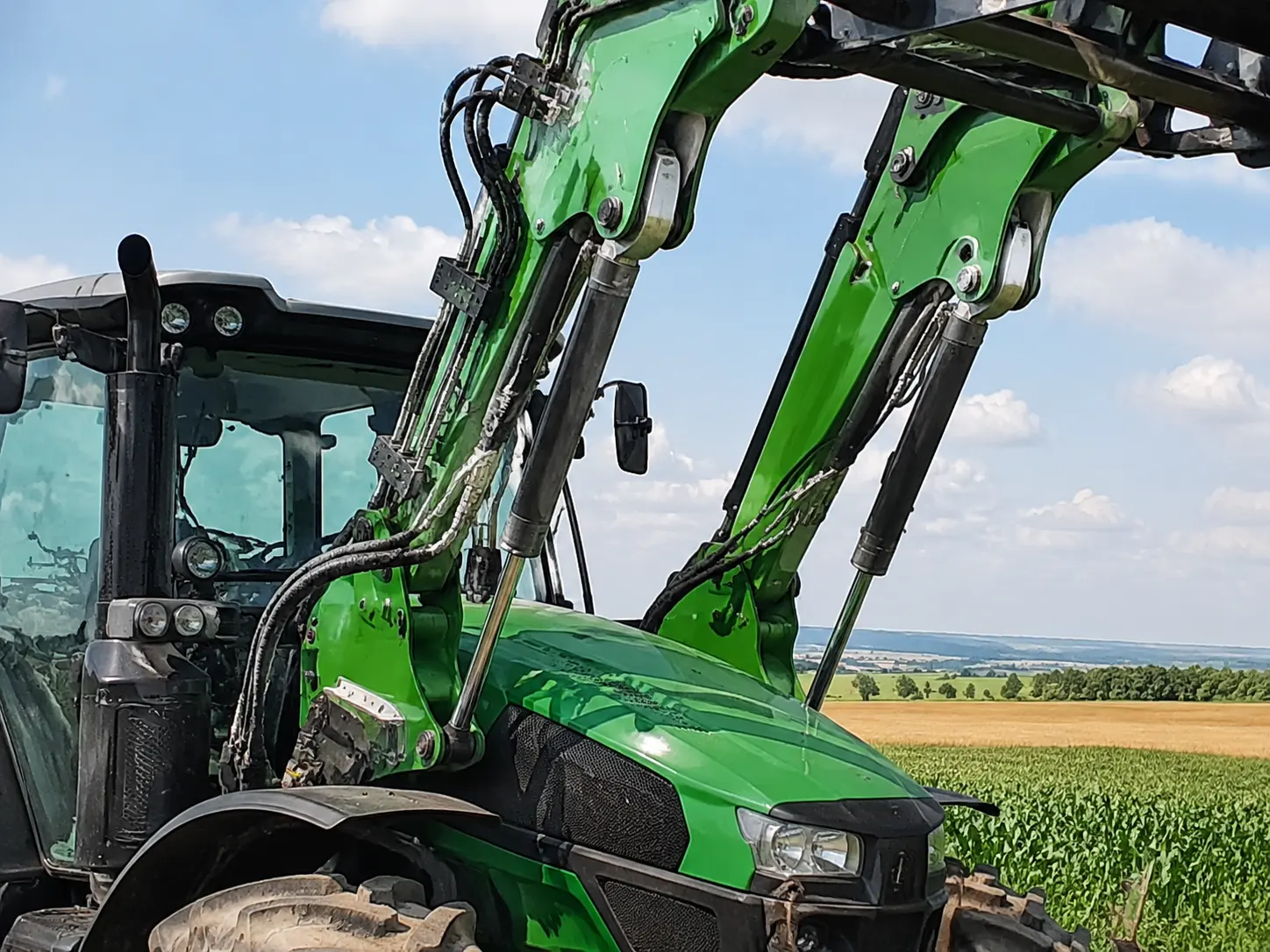
In tractors and heavy loaders, hydraulic cylinders have a big job. They lift important tools like plows, large buckets, mowers, or front attachments. They give steady motion for steering parts and suspension setups. This keeps the machine stable, even when moving heavy loads over bumpy dirt. Well-built hydraulic systems lower shaking during work. This is a frequently missed detail. Yet, it greatly improves comfort during long days in the field.
A good example is the common three-point hitch system found on most tractors. Its lifting arms get power from strong hydraulic cylinders. These cylinders raise or lower tools with great care, just by moving a simple lever. That same idea works for loader arms. They smoothly tilt or drop materials without any sudden, rough movements.
The Use of Hydraulics in Harvesting and Planting Machinery
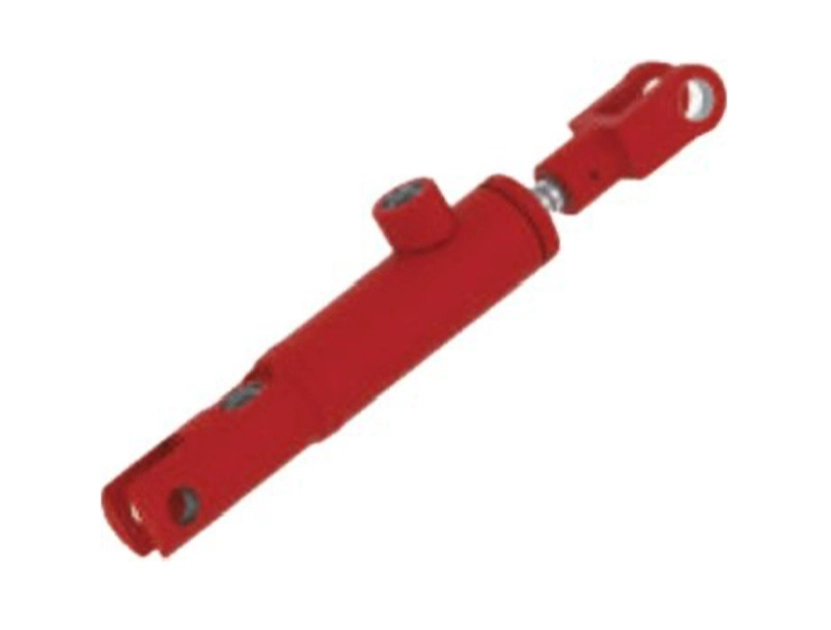
Harvesting involves many actions at once. It includes cutting, moving, and sorting crops. All these steps need perfect timing. Hydraulic circuits handle this complex teamwork. They power cutting heads, moving belts, augers, and grain elevators at the same time. Yet, they can work separately if needed. Planting machines also rely on hydraulics. They adjust seed arms or change downward pressure on soil openers. Different pressure settings let farmers treat soft crops like lettuce gently. They can treat tough crops like corn or soybeans firmly. They do this without swapping out any machine parts.
Selecting the Right Hydraulic Components for Agricultural Use
Making sure parts fit together is crucial. It is just as vital as choosing the exact cylinder type for a specific job.
What Factors Should You Consider When Choosing a Hydraulic Cylinder?
When you select hydraulic cylinders for farm use, think about these points:
- Load Capacity: Pair the cylinder bore size with the expected load weight. Add a safe extra margin, usually about 25 to 30 percent.
- Stroke Length: Make sure there is enough travel space. The tool must move fully without hitting the end of the piston rod.
- Operating Pressure: Most farm machines work between 1500 and 3000 psi. Check this number before you install anything. This stops broken seals or burst fluid lines.
- Cylinder Type: Pick single-acting types if gravity helps the return motion, like in dump trailers. Choose double-acting types if pushing and pulling both need power, like in loader arms.
- Environmental Resistance: Think about strong coatings to fight rust. This is needed if parts touch wet fertilizer or rain. Wiper seals also help block dry dust during the busy harvest time.
| Selection Criteria | Typical Range / Recommendation | Application Example |
| Load Capacity | Up to 10 tons | Tractor lift arms |
| Stroke Length | 100–600 mm | Loader bucket tilt |
| Operating Pressure | 1500–3000 psi | Harvester header lift |
| Cylinder Type | Single / Double Acting | Dump trailer vs front loader |
| Environmental Protection | Chrome-plated rod | Outdoor exposure |
How to Ensure Compatibility Between Hydraulic Components?
Hydraulic systems run well only when pumps, valves, hoses, fittings, and cylinders match perfectly. You must confirm that all parts have the same pressure limits. If you mix wrong components, the system will run poorly. It might even break during sudden heavy loads. Always choose seals made for the exact fluid type used on your farm. Mineral oil needs different seals than green, biodegradable fluids.
Getting the right sizes stops power loss. Big energy drops happen when fluid faces too much blockages. Proper sizing also makes parts last longer through smooth running. Many workers forget tiny details. For example, fitting thread types like BSP and NPT are different. Mixing them causes slow leaks. Over time, these leaks can ruin the whole system.
Enhancing System Performance Through Proper Maintenance Practices
Even the finest hydraulic system will fail if ignored. This is true whether it sits idle in winter or works hard all summer.
Practical Tips for Maintaining Hydraulic Cylinders on Farms
Look closely at hoses and fittings before every single use. Change any part that shows deep cracks or strange bumps. Check the area around the rod seals after working. Tiny oil spots mean a leak is just starting.
Swap out the fluid when the maker suggests. Dirty oil makes inside parts wear out much faster. When storing machines for the winter, pull the cylinder rods all the way inside the tubes. This guards the shiny chrome metal from spreading rust.
Partnering with Shining Hydraulic
Many farms look for tough parts made just for their specific machines. Shining Hydraulic supplies custom-built hydraulic cylinders. These are made specially for farming tasks. Shining Hydraulic gives helpful technical advice. They aim to improve system setups. This ensures both fast work and a very long life for the parts.
They use strict quality checks from start to finish. This covers picking raw metals all the way to the final build. It promises strong performance, even during non-stop outdoor work. Their deep knowledge helps machine builders. They can easily add modern hydraulics into brand new tractor models.
FAQs
Q1: What are hydraulic cylinders used for in agriculture?
They change fluid energy into straight movement. This movement lifts heavy tools, steers big tractors, runs complex harvesters, and drives water pumps.
Q2: How do I know which hydraulic cylinder size I need?
You must figure this out based on the needed load weight and the stroke length. Always check the maker’s guide.
Q3: Why do my tractor’s hydraulics feel weak?
There are a few common reasons. The fluid level might be too low. Air could be stuck inside the hoses. The inner seals might be old and worn. Or, the pump might be failing because of inside leaks.
Q4: Can I mix different types of hydraulic fluids?
No, you should never do this. Mixing wrong fluids will ruin the rubber seals. It also changes the fluid thickness. Proper thickness is completely vital for the system to work right.
Q5: How often should I replace my hydraulic hoses?
Usually, you should replace them every five years under standard use. However, you must check them often. If you see cracks or rubbed spots on the outside, replace them right away.