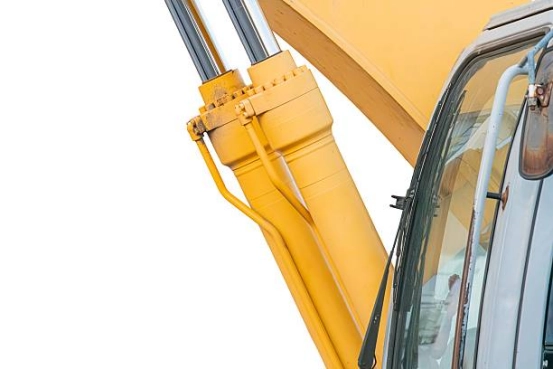
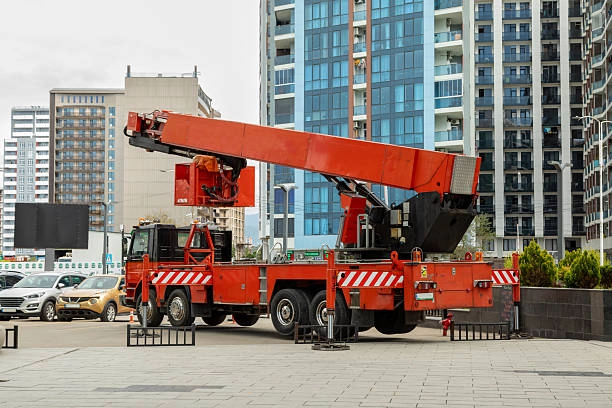
A hydraulic cylinder on a truck-mounted crane platform carries load, holds position, and often decides whether the machine feels stable in use. A cylinder may look correct on a drawing and still behave badly once the boom is extended or the truck is parked on uneven ground.
What Does a Hydraulic Cylinder Do on a Truck-Mounted Crane Platform?
Most truck-mounted crane platforms use several cylinders.
Outrigger cylinders level and stabilize the vehicle. Lifting cylinders raise the platform or crane structure. Boom or luffing cylinders change boom angle. Extension cylinders move telescopic sections.
They are not interchangeable. An outrigger cylinder may hold a static load for a long period. A boom cylinder sees changing angles and dynamic force.
What Operating Requirements Should Be Defined First?
Cylinder selection should begin with the machine’s worst operating condition, not with a catalog page.
Load and Required Force
Required force depends on:
- Maximum working load
- Boom geometry
- Cylinder installation angle
- Number of cylinders sharing the load
- Hydraulic system pressure
- Safety factor
The highest force may occur at an awkward boom angle, not at full extension. A cylinder sized only from payload can work during light operation and stall near the ground.
Stroke and Installation Space
Stroke must match the required travel, but closed length is usually the tighter constraint.
Check pin center distance, port clearance, hose routing, and nearby brackets. A cylinder can fit between two pins and still interfere with the frame during movement.
Long stroke cylinders also need a rod buckling check, especially in compression. Increasing rod diameter may solve the problem, though it changes weight and oil volume.
Duty Cycle and Working Environment
Consider operating frequency, oil temperature, rain, dust, road salt, coastal exposure, and long periods of load holding. Mobile equipment also vibrates while traveling. Pins, ports, seals, and threaded parts all feel it.
Which Hydraulic Cylinder Specifications Should You Compare?
Once operating conditions are clear, compare the main specifications.
| Specification | Why It Matters | What to Check |
| Bore diameter | Determines force | Working and peak pressure |
| Rod diameter | Affects buckling | Compression load and stroke |
| Stroke | Controls travel | Movement and interference |
| Working pressure | Affects strength | Normal, peak, and test pressure |
| Mounting type | Transfers load | Pin size and alignment |
| Seal material | Controls leakage | Oil, temperature, pressure |
| Rod treatment | Resists corrosion | Hardness, plating, finish |
| Cushioning | Reduces end impact | Speed and moving mass |
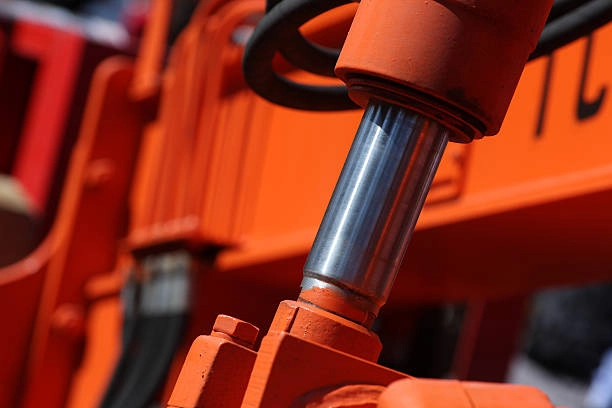
Bore and Rod Diameter
A larger bore creates more force, but bigger is not automatically safer. It consumes more oil, adds weight, and can increase loads on the machine structure.
Rod diameter is often the critical dimension. A slender rod may be acceptable in tension and unstable in compression. Use the actual mounting arrangement in the calculation.
Seals, Materials and Surface Protection
Seal selection should match oil type, temperature, pressure, and contamination. A seal package that works indoors may fail early on a truck exposed to mud and winter salt.
For outdoor crane equipment, hardened chrome plated rods, effective wipers, strong tube material, and corrosion resistant finishes are sensible choices. Shining Hydraulic uses this application based approach for truck mounted crane platform cylinders, configuring the cylinder around the machine drawing and working conditions rather than forcing a generic unit into the structure.
How Should the Cylinder Be Matched to Different Crane Functions?
Cylinder function should drive the design details. This is where many reasonable looking selections go wrong.
Outrigger Cylinders
Outrigger cylinders need low internal leakage, stable load holding, and protection from road contamination.
A small internal bypass may not stop movement, but it can let the platform lose level during work. Uneven ground can also create side load, so the rod, guide system, pins, and bearing areas must tolerate some misalignment.
Lifting and Boom Cylinders
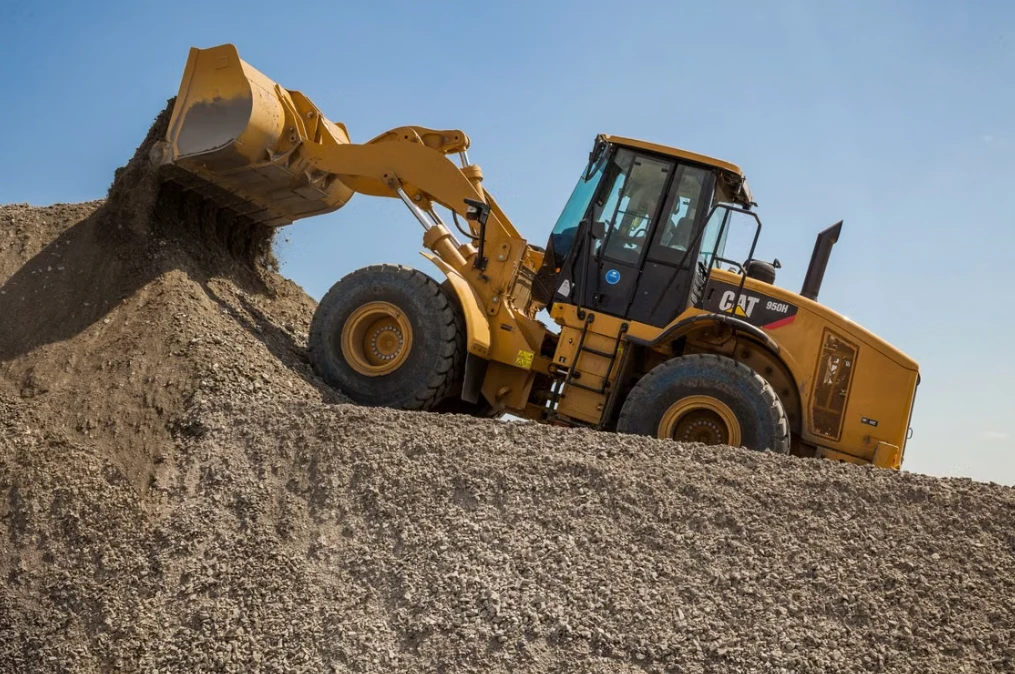
Lifting and boom cylinders work through changing load angles. They need smooth control, adequate force across the full movement, strong mountings, and suitable end cushioning.
Counterbalance or load holding valves must match cylinder area ratio and flow. A mechanically correct cylinder can still move poorly because the valve is incorrectly sized or set.
Custom designs may adjust port direction, pin centers, rod strength, or cushioning so the cylinder fits without forcing changes to brackets and hoses.
How Can You Evaluate Cylinder Reliability and Safety?
Dimensions alone do not prove reliability.
Useful checks include:
- Pressure and leakage testing
- Weld inspection
- Rod hardness and finish checks
- Pin and mounting tolerance inspection
- Load holding verification
- Corrosion testing when required
- Material and seal traceability
Test duration matters. A cylinder that holds pressure for a few seconds may still drift during a long platform operation. Shock, vibration, and changing load direction belong in the design review.
Should You Choose a Standard or Custom Hydraulic Cylinder?
A standard cylinder may work when space is flexible, loads are moderate, and the machine uses common mountings.
A custom cylinder is usually more suitable when the equipment has limited space, unusual pin centers, special port locations, long strokes, frequent duty, or demanding corrosion conditions.
For these applications, a manufacturer such as Shining Hydraulic can work from the equipment drawing, pressure, mounting loads, seal requirements, and environment. The point is to avoid bracket redesign, poor hose routing, unstable movement, or a cylinder that fits but behaves badly.
What Information Should You Send to a Hydraulic Cylinder Manufacturer?
Prepare:
- Cylinder function and installation position
- Maximum load
- Working and peak pressure
- Required stroke and closed length
- Bore and rod diameter, if known
- Mounting and pin dimensions
- Port size, thread, and direction
- Oil type and temperature range
- Duty cycle
- Surface treatment requirements
- Machine drawings or clear photos
- Expected quantity
Conclusion — Select the Cylinder Around the Machine’s Real Working Conditions
The right cylinder is not simply the one with the largest bore or highest pressure rating. It is the one that behaves correctly on the actual truck, under actual load, in the expected environment.
Before requesting a quotation, prepare the machine layout, mounting dimensions, force requirement, stroke, system pressure, and duty conditions. That gives the cylinder designer enough information to solve the application rather than fill gaps with assumptions.
Every crane application has different load conditions, mounting requirements, and operating environments. At Shining Hydraulic, we design and manufacture hydraulic cylinders based on your machine drawings, working pressure, stroke requirements, and real operating conditions.
Send us your cylinder specifications or equipment details today, and our engineering team will help you find the right hydraulic cylinder solution for reliable performance and long service life.
FAQ
Q: Why does an outrigger cylinder slowly retract under load?
Common causes include internal seal leakage, valve leakage, contamination, damaged sealing surfaces, or an incorrect load holding valve setting.
Q: Can an existing cylinder be copied from a sample?
Yes, but the sample should be checked against the machine. Wear, previous repairs, and non-original parts can cause a copied cylinder to repeat an old problem.
Q: Is a larger bore always better?
No. It increases force, but also raises oil demand, weight, and structural load.
Q: What information matters most for a custom quotation?
The machine drawing, required force, pressure, stroke, closed length, mounting dimensions, and operating environment.