
Construction equipment makers face bigger pressure these days to cut down on energy use. In Europe, tough Stage V emission rules keep pushing companies to build cleaner and better machines. In the United States, EPA Tier 4 Final standards have already changed the way heavy equipment gets designed and used.
Fuel prices keep changing all the time. Electric construction machines are also growing faster than most people thought just a few years back. Even small excavators now join this shift to electric power. That changes how people think about hydraulics.
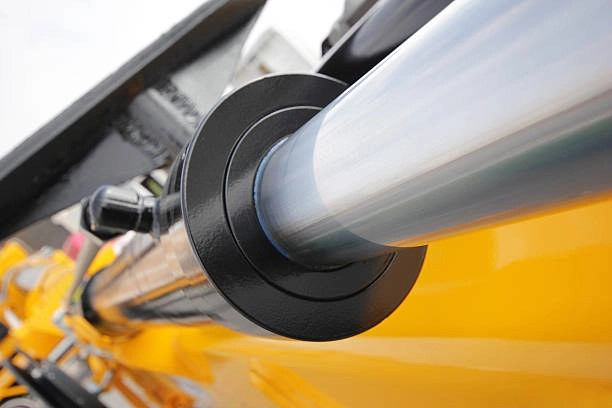
Hydraulic cylinders might look like basic parts from the outside. But they play a big role in how well a machine works, how much fuel it burns, and how steady the whole system stays. A cylinder that is not designed well can waste energy quietly during every hour of work.
Why Energy Efficiency Matters in Construction Equipment
Saving energy is not only about cutting running costs anymore. For many equipment makers, it now connects directly to staying competitive and meeting the rules. Some areas focus more on green building projects. Contractors also watch machine efficiency closely because fuel and repair bills add up fast on big fleets.
The table below lists some key pressures hitting construction equipment makers right now.
| Industry Factor | Impact on Equipment Manufacturers |
| EU Stage V Regulations | Lower emissions and improved efficiency required |
| EPA Tier 4 Final | Reduced engine pollution and fuel consumption |
| Electrification Trends | Lower battery energy loss becomes critical |
| Rising Fuel Costs | Higher demand for efficient hydraulic systems |
| Smart Construction Sites | Need for precise and responsive hydraulic control |
Hydraulic systems often cause a lot of energy waste in heavy machines. Heat buildup, small leaks inside, and pressure drops hurt overall efficiency more than many people notice. In older machines, you often see energy lost just because the cylinder design was never updated for today’s work conditions.
Many people still only talk about pumps and valves when they discuss efficiency. Cylinders need more attention than they usually get.
How Hydraulic Cylinders Influence Machine Efficiency
Hydraulic cylinders affect how hard the pump has to work. If there is too much friction inside or the seals do not hold steady, the system needs more energy for the same movement. This shows up even more in electric machines. Battery-powered equipment cannot waste extra energy because every loss shortens the working time.
Several usual problems lead to low efficiency:
- Too much seal friction
- Internal oil leakage
- Rough rod surface
- Wrong cylinder size
- Unsteady pressure control
Old cylinder designs focused mainly on lasting a long time. Today’s construction machines need a good mix of strength, accuracy, and energy savings.
For instance, smoother tube surfaces inside can cut down resistance while the cylinder moves. Better coatings on the rod can reduce wear and friction over many hours of use. Small changes like these add up to real savings after thousands of working hours.
Technologies Behind Energy Saving Hydraulic Cylinders
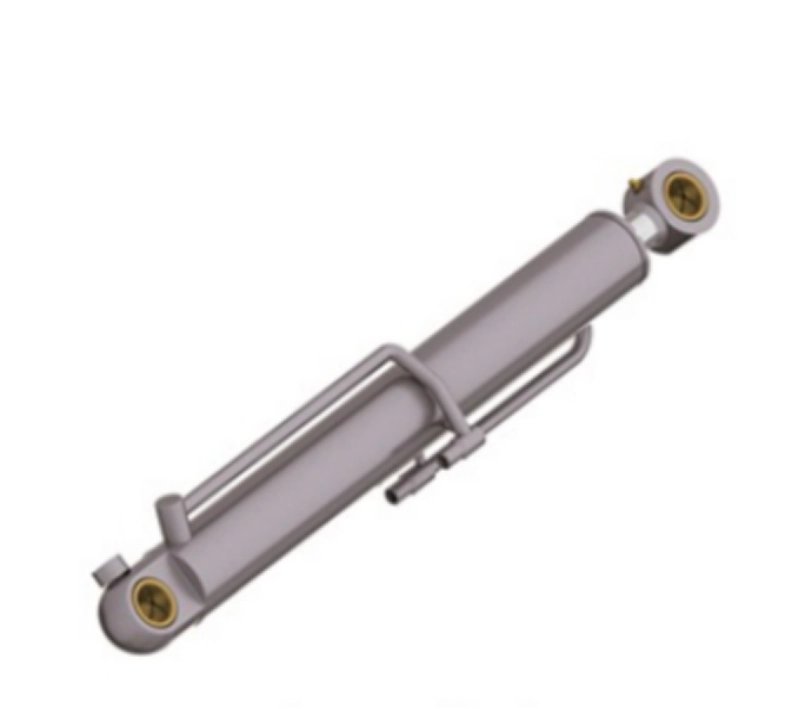
Making modern hydraulic cylinders involves more than just cutting metal. Efficiency gains come from several improvements working together. Before we look at specific machines, it helps to see where the savings actually happen.
Low-Friction Sealing Systems
Seal friction is one hidden reason for energy loss. New sealing materials cut resistance while still keeping a tight seal under heavy loads. Less friction leads to smoother movement and lower pressure needs from the pump.
This also helps keep heat down in the hydraulic system. Too much heat is always a problem for operators, especially in hot summer conditions on construction or mining sites.
Precision Machining and Surface Finishing
How well the cylinder tube is honed affects internal leaks and smooth operation.
Good machining helps with:
- Stable oil film · Even surfaces
- Longer seal life
- More accurate movement
Treating the rod surface matters just as much. Chrome plating and new coatings reduce wear and fight rust. Some makers ignore finishing quality because it does not show in photos. But on the job, these details make a real difference.
Optimized Cylinder Design
Lighter and smaller cylinder designs matter more now. Better bore and stroke choices cut extra load while keeping enough power. Good structure also helps the machine respond faster and control movements better.
In electric equipment, lighter parts help save battery power. That is why compact electro-hydraulic setups get more interest lately.
Smart Hydraulic Integration
Construction machines are getting smarter. Hydraulic cylinders are changing along with them.
New systems can include:
- Position sensors
- Pressure monitoring
- Real-time feedback
- Smart motion control
These features allow more precise control and cut wasted energy during work. Autonomous or semi-autonomous machines especially need steady and predictable hydraulic performance. Purely mechanical systems are slowly becoming less common.
Energy Saving Solutions for Different Construction Equipment
Every machine needs its own approach. There is no one-size-fits-all answer.
Excavators
Excavators depend a lot on boom, arm, and bucket cylinders. Good cylinder performance helps digging accuracy and lowers fuel or battery use. Low-friction cylinders also let operators make smoother moves during repeated tasks.
Wheel Loaders
Wheel loaders do a lot of lifting and loading without stopping. Energy-efficient cylinders reduce sudden pressure jumps and extra heat. This stability helps a lot in tough jobs like quarry work.
Cranes and Lifting Equipment
For cranes, steady control is very important. Efficient cylinders improve how loads are handled and reduce pressure changes during lifts. Even small gains can make operations safer and smoother.
Electric Construction Equipment
Electric excavators and compact loaders are changing what hydraulics need to do.
Battery machines require:
- Fewer hydraulic losses
- Smaller system layout
- Quicker response
- Lower temperatures
Cylinders made for energy saving can help these machines run longer between charges.
How Advanced Hydraulic Manufacturing Supports Efficiency
The way cylinders are built has a big effect on efficiency. Precise CNC machining, tight measurements, and careful seal assembly all help reduce leaks and keep performance steady. Consistency is key. A cylinder that tests well but changes in mass production causes headaches for OEMs later.
Custom cylinder design is also growing in importance. Many construction equipment makers now want solutions made for their specific needs instead of standard products.
Companies like Shining Hydraulic focus on hydraulic cylinders and complete system solutions for construction, mining, and industrial machines. Precision manufacturing and custom designs help equipment makers improve efficiency and reliability over time.
The Future of Energy Efficient Hydraulics
The hydraulic field is heading toward smarter and more energy-conscious systems.
Some clear trends are showing up:
- Electro-hydraulic integration
- Digital hydraulic systems
- Intelligent monitoring
- Energy recovery systems
- Predictive maintenance support
As rules get stricter in Europe and North America, hydraulic efficiency will matter even more in new equipment. Cylinders may not be the flashiest part of a machine, but they affect daily efficiency on every job site.
FAQ
Q1: What causes energy loss in hydraulic cylinders?
Common causes include seal friction, internal leakage, pressure loss, rough surface finishing, and wrong cylinder sizing.
Q2: How do hydraulic cylinders improve construction equipment efficiency?
Efficient cylinders cut energy waste, lower the pump workload, give better motion control, and reduce fuel or battery use.
Q3: Are energy efficient hydraulic cylinders important for electric excavators?
Yes. Electric machines depend a lot on efficient hydraulics because any extra loss shortens battery time.
Q4: What is a low-friction hydraulic cylinder?
It uses better seals, precise machining, and improved surface treatments to reduce resistance during operation.
Q5: How do EU Stage V regulations affect hydraulic systems?
Stage V mainly targets emissions, but makers also improve overall machine efficiency — including hydraulics — to meet the stricter rules.