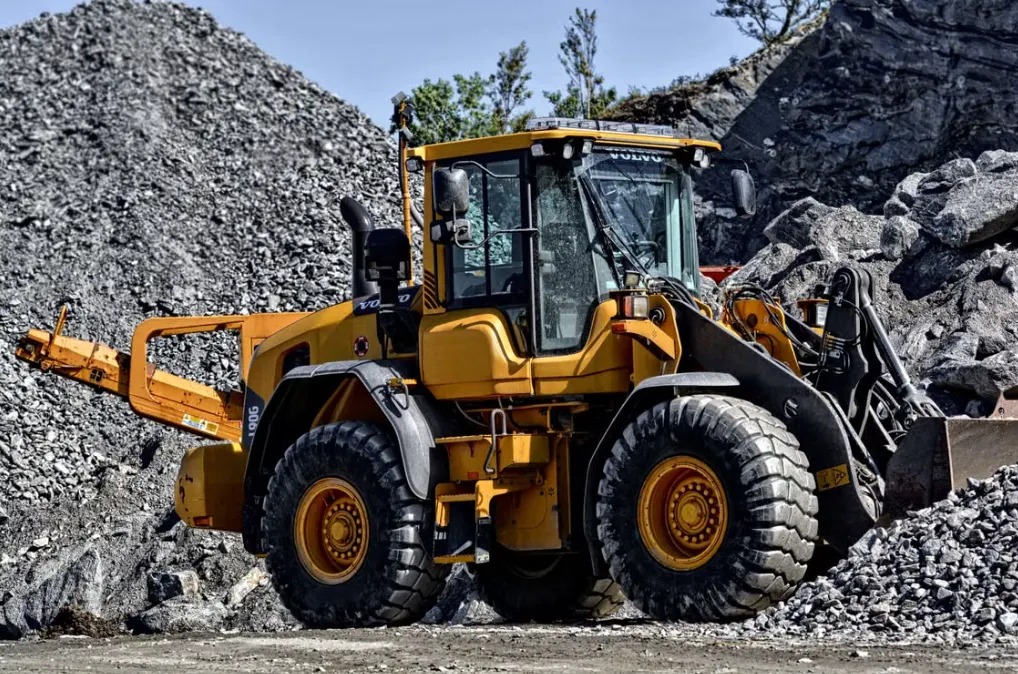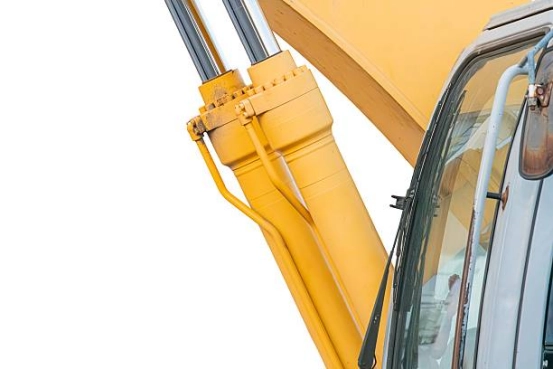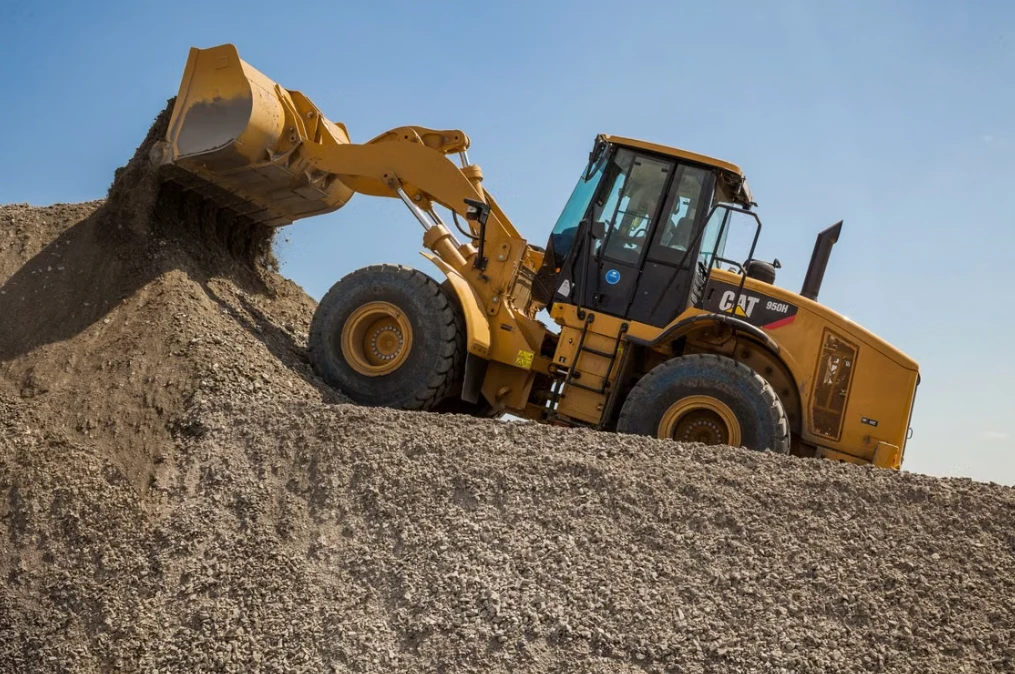
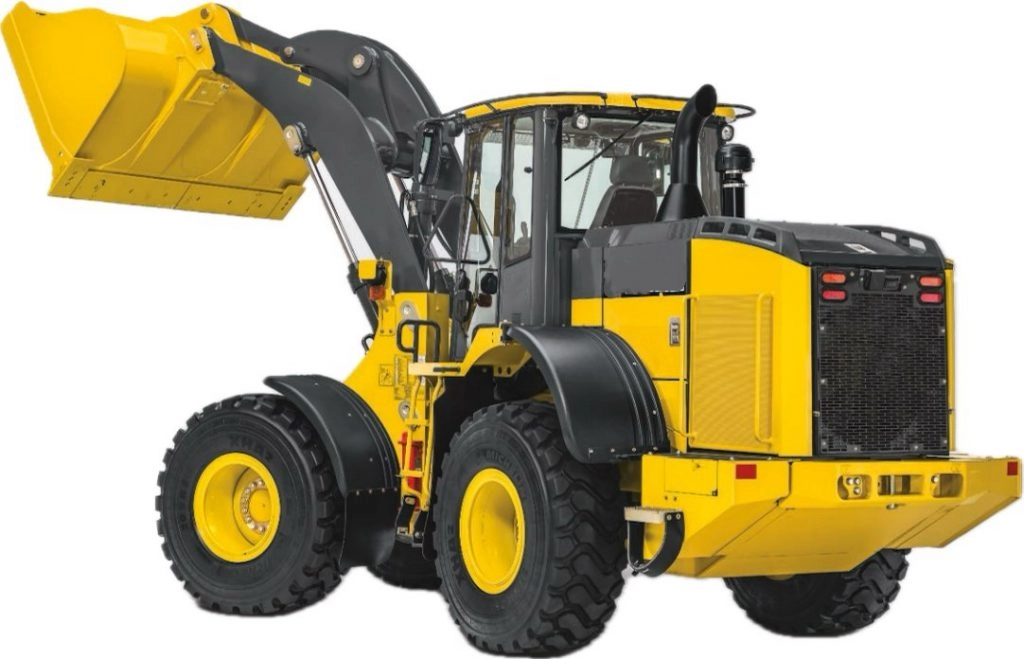
Observing a moving loader reveals seamless teamwork among its arms, bucket, and steering. It comes from the exactness of hydraulic cylinders operating together. These parts determine the machine’s lifting, tilting, and moving efficiency under heavy weights. Selecting the correct loader hydraulic cylinder requires a solid grasp of available types. You also need to know the technical parameters and build quality. These factors directly shape daily performance and overall lifespan.
Types of Hydraulic Cylinders Used in Loaders
Hydraulic cylinders on loaders serve very specific jobs. Every single type has a clear purpose.
Steering Cylinders
Steering cylinders manage the travel direction of the machine. They turn fluid energy into straight-line motion. This motion steers the wheels or bends the machine frame. A quick-acting steering cylinder guarantees accurate control. This remains true even with massive loads or bumpy ground. Mechanics frequently spot a common issue. If steering feels slow, internal fluid leaks or worn seals inside this part are usually the cause.
Bucket Turning Cylinder
The bucket turning cylinder is also known as a tilt cylinder. It handles the bucket’s rotation while loading and emptying materials. This component must provide strong twisting power. It also needs to stay stable against sideways pushes from unbalanced dirt or rocks. A smartly built tilt cylinder boosts work speed. It does this by enabling quicker bucket resets and steady pouring angles.
Arm Cylinder
Arm cylinders take care of the up-and-down lifting of the boom arms. They endure massive stress when raising and dropping heavy materials. A tough arm cylinder features the correct bore size. This provides steady lifting strength. It achieves this without putting too much strain on seals or connection points.
Front Loader Hydraulic Cylinders
Front loaders depend on several hydraulic cylinders acting at the same time. This teamwork creates smooth, matched movements across lifting, tilting, and steering tasks.
Tipping Cylinder
The tipping cylinder controls the exact angle for emptying the bucket. It has to survive many high-pressure events as dirt gets pushed forward. Drivers usually like cylinders equipped with built-in cushions. These features lower sudden impacts when the rod reaches its limits.
Lifting Cylinder
Lifting cylinders supply the upward push needed to hoist massive weights. Their layout highlights wide bore diameters and extended stroke lengths. This setup creates the highest possible lifting force. It also keeps the metal structure stiff and safe. Inside heavy-duty building machines, these front loader hydraulic cylinders normally use a double-acting design. This allows much better control while raising and lowering the arms.
Steering Cylinder
These act much like the ones mentioned earlier. However, they are adjusted specifically for front-loader shapes. Steering cylinders in this spot make sure the front and back frames bend smoothly. They need highly accurate factory shaping. This careful cutting stops shaking or bad alignment during fast turns.
Key Technical Parameters Buyers Should Evaluate
Picking a hydraulic cylinder for construction equipment involves more than just measuring size. It requires pairing performance numbers with actual job site needs.
Cylinder Bore Size and Stroke Length
The bore size decides the total push a cylinder makes at a set pressure level. Wider bores create extra power. Yet, they need a larger amount of hydraulic fluid. Stroke length sets the total travel distance of the inner piston. This length changes the machine’s reach and flexibility on the job.
| Parameter | Function | Impact |
| Bore Size | Sets total load capacity | Changes lifting strength |
| Stroke Length | Sets piston travel distance | Alters overall movement range |
Pairing these two numbers with the loader’s basic specs guarantees steady results. It stops the hydraulic pumps or metal joints from taking on too much stress.
Working Pressure and Load Rating
High-pressure limits are vital when moving heavy stuff like rocks or damp mud. Still, getting a rating way above the system’s limit wastes money. It offers no real-world help. You should always check if the cylinder’s pressure matches the machine’s fluid circuit power.
Material Selection and Structural Strength
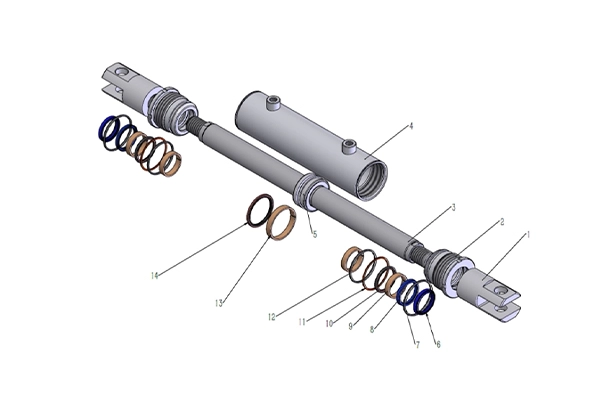
A part’s lifespan relies deeply on good materials. Most top-tier units feature alloy steel tubes. They pair these with tough chrome-plated rods to fight rust. Exact cutting lowers rubbing inside the tube. This creates slicker movements across thousands of work loops, even outside in bad weather.
Design Considerations That Impact Cylinder Longevity
Raw numbers are not the whole story. The way a part is built decides its total working time. This dictates how long it runs before you have to fix or replace it.
Seal Quality and Leakage Prevention
Seals are tiny pieces that carry a massive burden. They lock the hydraulic oil inside during huge pressure shifts. Cylinders built with modern polyurethane or mixed-material seals hold up well. They keep working nicely across hot and cold weather. This drops the need for constant repairs.
Surface Treatment and Finish Quality
A highly smooth surface cuts down rubbing between the moving rod and the seal edges. This adds life to both parts. Chrome plating is still the normal choice. It offers a great mix of tough hardness and rust stopping power. Nickel layers give extra safety in places with lots of harsh chemicals.
Mounting Configuration and Compatibility
Various loaders use unique mounting shapes. These include clevis ends, trunnions, or flat flanges. Bad alignment creates unwanted side forces. These forces can easily bend the rods or ruin the bushings too early. Checking the exact fit before putting the part on saves expensive lost time later.
Evaluating Manufacturing Standards and Testing Procedures
Strict quality checks separate trustworthy parts from weak ones. Good testing stops parts from breaking fast under heavy work.
Compliance with Industry Standards
Trusted makers follow clear ISO or CE rules. These rules guide hydraulic safety, size limits, and power checks. Getting these certificates proves the parts work well anywhere in the world. It also makes repair paperwork much easier for large groups of machines working across different countries.
Factory Testing Before Delivery
Each completed item must pass tough factory checks:
- Pressure tests copy the hardest working setups. This proves the metal body is safe and solid.
- Leak tests check that all seals block fluid perfectly.
- Dimensional inspections make sure the sizes are exactly right. This allows easy swapping between different loader styles.
These testing steps bring peace of mind. They make certain each loader hydraulic cylinder works perfectly right out of the box. You will not need extra tweaks after it arrives.
Choosing a Reliable Manufacturer for Loader Hydraulic Cylinders
Picking the right factory for your gear is very important. It matters just as much as the actual product you buy.
What to Look for in a Supplier Partnership
A solid supply partner mixes deep technical knowledge with adaptable factory lines:
- Real history of building strong fluid power parts for building machines.
- The skill to change bore sizes, strokes, fluid ports, or mounts for special jobs.
- Ongoing technical help throughout the product’s life. This covers early planning all the way to later repair advice.
These habits show true long-term trust. They are far better than just an easy, one-time purchase.
Why Shining Hydraulic is a Trusted Choice
Shining Hydraulic focuses on building tough parts specifically for building site machines. Our modern factory spaces guarantee exact metal cutting. We also keep strict quality rules at every single step. The business provides custom answers for front loader hydraulic cylinders, steering parts, and other factory needs. Their smart engineering groups care deeply about tracking raw materials. We run hard tests that copy real dirt-field work. We also keep making things better using driver advice. All these habits create parts that last much longer for buyers all over the globe.
FAQs
Q1: What factors determine the lifespan of a loader hydraulic cylinder?
Good seals, smooth surface coatings, and proper mounting angles matter the most. Following regular service plans also deeply affects the total working life.
Q2: How do I know if my front loader’s lifting cylinder needs replacement?
Watch for slower lifting speeds. Look for obvious oil drips near the rod seals. Shaky or uneven arm motions while carrying dirt also signal a problem.
Q3: Can I use standard industrial cylinders on construction loaders?
This is a bad idea. Building sites need parts with higher pressure limits. They require stronger metal and special seals made to block heavy dust.
Q4: What is the ideal working pressure range for heavy-duty loader hydraulics?
Most of these systems run well between 200 and 350 bar. This changes based on the machine’s size. Always check the maker’s guide before swapping parts.
Q5: How often should loader hydraulic systems be inspected?
You should do basic checks every 250 to 500 working hours. This routine spots early damage in rubber hoses, metal joints, and main tubes. It stops huge breakdowns before they happen.