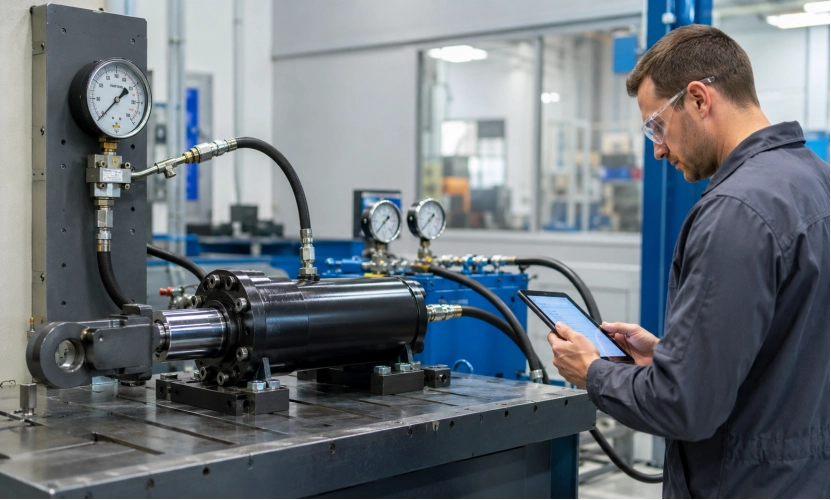
A hydraulic cylinder test is more than a quick check before shipping. It serves as the last step to see if a cylinder works well or breaks when pressure hits. Every stroke, seal, and weld gets checked under conditions that copy real use. Skip good testing and small problems can turn into big stops or safety issues later in heavy machines.
Why Testing Is Essential in Hydraulic Cylinder Manufacturing
Testing sits at the center of good results for these cylinders. It makes sure each one gives steady work and safety before it leaves the shop. In fields where hydraulic power moves heavy loads like building sites, mines, or factories, a break is not an option. Tests help find small hidden faults such as tiny cracks, seal flaws, or parts that do not line up right. These faults may not show in a normal look but can cause big trouble later.
Common Types of Hydraulic Cylinder Tests
Different tests work together. Pressure checks show strength in the build. Leak checks focus on how well seals hold. Moving tests like speed or long-run trials copy daily use and catch issues that a still check might miss.
1. Pressure Test (Hydrostatic Test)
The hydrostatic test often comes first in the sequence. It checks if the cylinder holds up to top working pressure and sometimes a bit more for safety. Water or oil goes into the cylinder while pressure rises in a controlled way.
This step shows leaks, cracks, or weak weld spots that could burst later. Staff watch for any change in shape. Even a small bend can point to a material or weld problem that needs fix before the unit passes.
2. Leakage Test (Static and Dynamic)
Leak checks come in two types. The static check looks at seals when the cylinder stays still under load. The dynamic check watches what happens as the piston moves back and forth at normal speed.
Both find leaks inside between chambers and outside around seals or joints. Finding them early stops fluid loss, wasted power, and dirt getting in once the cylinder runs in real systems. A solid leak check keeps things stable in high-pressure jobs that need exact control.
3. Cushioning Performance Test
Cushion parts slow the piston near the end of its stroke to avoid hard hits. This test measures how well that slowing works at different speeds and loads.
If the cushion feels too loose the piston may slam. If it feels too tight it can shake or make noise. The test confirms that the inner valve shape and flow paths work right for smooth stops. This matters in jobs that need careful placement like robot arms or press lines.
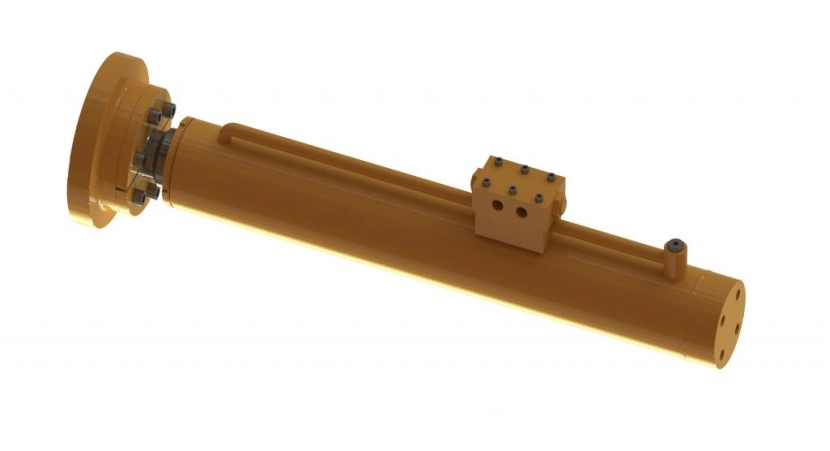
4. Load Test (Tensile and Compression)
A load test puts pulling and pushing forces on the cylinder to copy real work. It checks if the parts hold the rated forces without bending for good or showing cracks over time.
The numbers help prove the safety margins used in the design. They also give buyers proof of strength before the cylinder goes into key machines like cranes or molding presses.
5. Speed and Stroke Test
Speed must stay steady for quick response in auto lines or mobile gear. Staff measure how far the piston moves in a set time under varied pressures. They look for smooth speed up and slow down.
Jerky moves or uneven stroke length often trace back to flow blocks, parts out of line, or valve timing that needs fix before the unit ships.
6. Endurance (Fatigue) Test
Endurance testing runs the cylinder through thousands or even millions of cycles that copy field work. Over many repeats the test shows wear on seals, rods, bearings, and inner walls.
Watching how performance drops helps guess how long the unit will last and set service times. This data helps users plan upkeep in tough spots like steel plants or sea rigs.
Advanced Testing Methods for Enhanced Reliability
Some extra tests go further. They put cylinders in hard conditions or use checks that find hidden flaws without hurting the part.
Temperature and Environmental Testing
Many cylinders work outside in cold or hot places. This test cycles the unit through heat and cold while staff check seal stretch, metal growth, and how oil thickness affects motion.
The trials show if materials keep their traits under temperature stress and still seal and hold shape. This matters for air or sea work where big temperature shifts happen often.
Non-destructive Testing (NDT) Techniques
NDT methods add safety by spotting flaws you cannot see without damage to the part.
Ultrasonic Inspection
Sound waves go through metal walls to find inner holes or tiny cracks from welding or cutting. The echoes show problems early before they grow into breaks in use.
Magnetic Particle Testing (MT) and Dye Penetrant Testing (PT)
These surface checks find breaks on weld lines or cut areas where stress often builds. MT uses magnets and iron dust that gathers at flaws. PT uses dye that seeps into cracks and shows under UV light. Both give fast and clear results on busy lines that make many parts each day.
Conclusion
For demanding hydraulic applications, reliable testing should start at the manufacturing stage. Shining Hydraulic provides hydraulic cylinder solutions supported by strict pressure, leakage, load, and performance testing to help ensure safer operation and longer service life. Contact us to discuss your cylinder requirements and find a solution built for your working conditions.
FAQs
Q1: What is the main purpose of a hydraulic cylinder test?
It checks build strength, seal hold, and work reliability before the cylinder goes into a machine.
Q2: How often should hydraulic cylinders be tested?
Repeat checks depend on how hard the unit works but usually happen at set service times to keep safety rules met.
Q3: What medium is used during hydrostatic testing?
Shops often use water or special hydraulic oil under steady pressure for clear results.
Q4: Why is endurance testing important?
It helps forecast wear over time and service life from the cycle runs.
Q5: Can non-destructive testing replace functional tests?
No. NDT adds to functional tests by finding hidden flaws but cannot show how the cylinder acts under real loads.