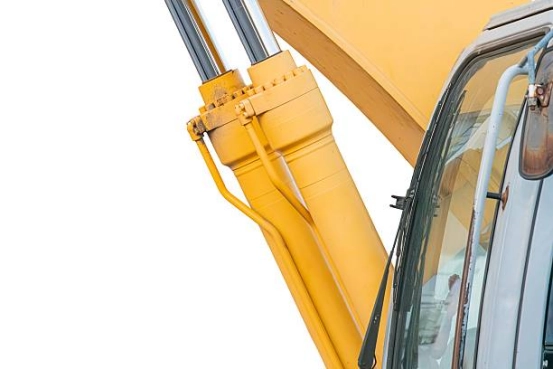
When picking a heavy duty hydraulic cylinder, the gap between a solid part and a cheap knockoff can spell the difference between steady work and costly breakdowns. Checking quality upfront helps you dodge leaks, wasted energy, and surprise repair bills. The smartest way forward is to grasp what makes a hydraulic setup strong and how to confirm it before you sign on with a supplier.
Why Quality Matters in Hydraulic Systems
A hydraulic setup runs best when it holds steady pressure without drips or breakdowns. Low-grade cylinders often face early seal damage, inside scratches, or off measurements that cause fluid spills. You see, these problems cut down on output. They also hike up running expenses and raise safety risks.
Top-notch hydraulic cylinders deliver steady action over many hours of use. Engineers build them with tight fits and tough stuff that handles big strains. If you run a group of machines or factory gear, you gain by picking strong parts. They cut repair needs and stretch out machine life.
Common Applications of Heavy Duty Hydraulic Cylinders
Heavy duty hydraulic cylinders drive the force in various tools:
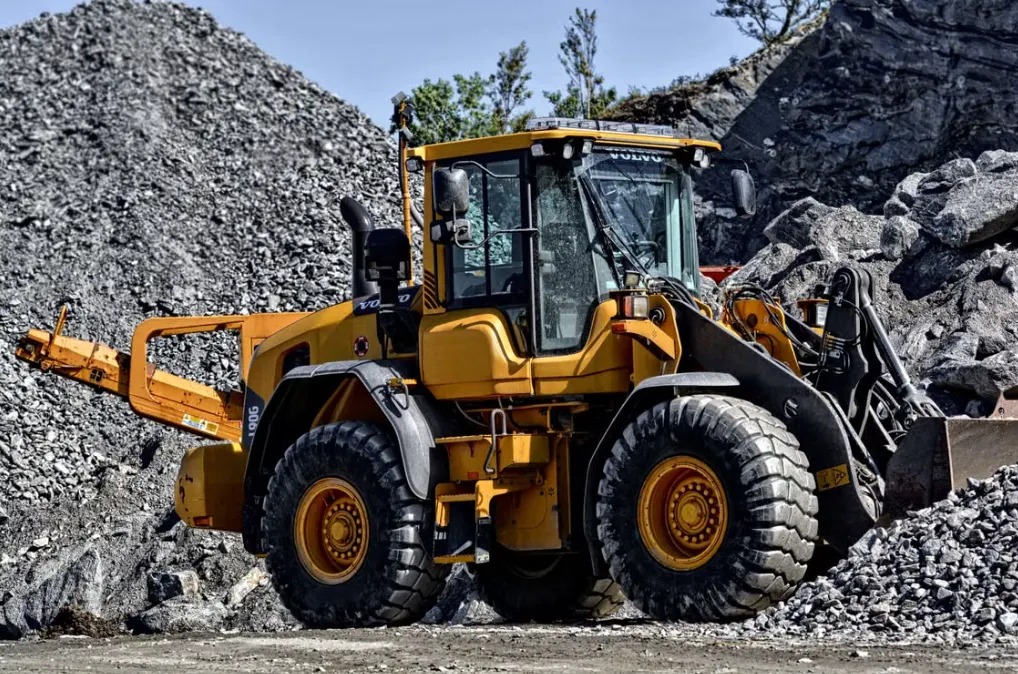
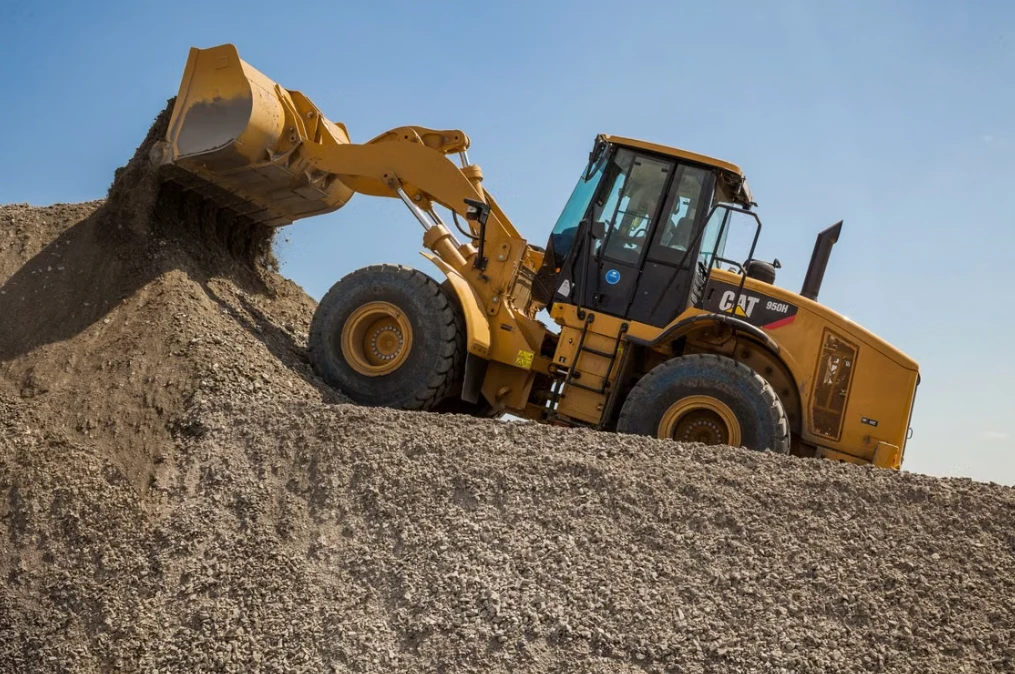
- Construction gear like excavators, bulldozers, and loaders
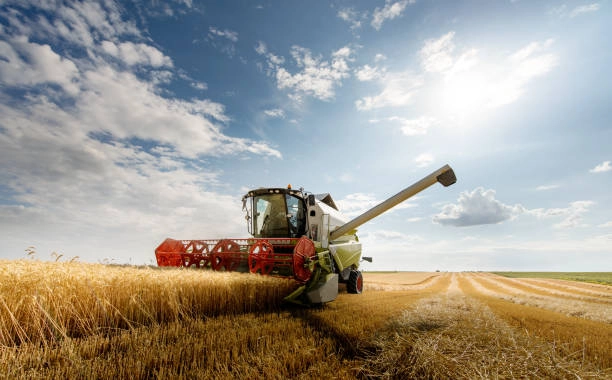
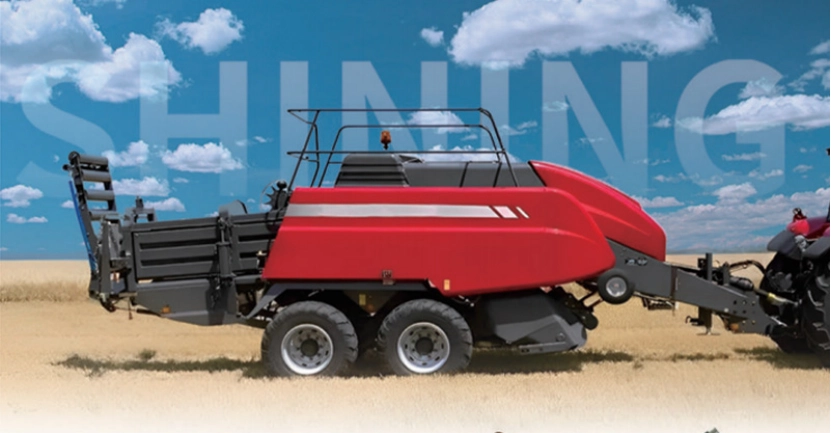
- Agricultural tools such as balers and sprayers
- Mining tools for drilling, lifting, or crushing jobs
- Industrial presses and factory automation setups
Every job calls for its own tweaks — say, tougher pressure levels for mining or rust-proof layers for farm work.
Key Factors to Check Before Ordering a Hydraulic Cylinder
You must look at both the materials used and the build design before you buy. These elements decide how the cylinder holds up under tough loads.
Material Selection and Build Quality
Go for cylinder barrels from strong steel or metal mixes that resist bending in high-pressure spots. In places exposed to weather or salt water, add rust-fighting covers like nickel layers or special paints. They stop rust from eating away at the parts over time.
Good welds boost the frame’s power — weak ones lead to splits that threaten safety. A polished rod surface cuts down on seal rub, which boosts lifespan and smooth runs through countless moves.
Cylinder Design and Engineering Standards
Match the design to ISO or OEM rules so it fits your current setup. Seals play a big role too; they block fluid escapes that might hurt output or dirty nearby pieces.
Watch these design points closely:
| Parameter | Description | Importance |
| Rod Diameter | Determines load capacity | Affects bending resistance |
| Wall Thickness | Influences pressure tolerance | Prevents barrel distortion |
| Pressure Rating | Maximum working pressure | Must match system requirements |
If any of these don’t line up, you risk poor work or total breakdown during heavy pulls.
Assessing Manufacturing Processes and Quality Control
Solid designs mean little without careful making. Trusted makers run tight checks at every build step.
Inspection Procedures During Production
Solid producers run water-pressure tests before packing to spot any inner drips at full load. They measure parts to ensure exact fits in the assembly, which avoids shakes or bad alignments in use. Tools like sound-wave scans find hidden weak spots without harming the items. All this work guarantees a strong build right from the shop.
Certifications and Compliance Indicators
Badges like ISO 9001 or CE marking show they follow global quality rules. Papers with each piece should list source materials, heat details, and end checks — this gives clear views into the build path. Such records build faith between maker and buyer. They also ease upkeep logs or warranty fixes later.
Evaluating Supplier Reliability and Technical Support
Suppliers vary in delivering steady goods, even if specs look alike. Dig into their track record and backup help to gauge lasting trust.
Reputation and Industry Experience
Years in the game count a lot for tricky hydraulic jobs. Long-time players often fine-tune their ways to slash mistakes. Shining Hydraulic sits in Shandong China. With 20 years under their belt, they bring deep know-how to fields like construction, agriculture, mining, and environmental gear. Strong design teams with expert skills keep the hydraulic items true to what your machines need. Feedback from clients and real project examples prove their steady performance in different settings.
After-Sales Service and Customization Options
Good suppliers keep helping past the sale — we offer advice on custom builds for your specific setups. We put customers first in every step, from planning to post-sale aid. Easy access to replacement bits aids ongoing fixes. Quick talk lines sort out problems fast when they pop up.
Practical Tips for Comparing Hydraulic Cylinder Suppliers
After you spot a few options, line them up to see who fits your daily needs best.
Reviewing Product Specifications Side by Side
Line up key details like bore measure, stroke distance, pressure limits, mount styles, and extras such as buffers or two-way action for better control.
| Feature | Why It Matters |
| Bore Size & Stroke Length | Determines motion range & force output |
| Working Pressure | Defines safe operating limits |
| Mounting Type | Affects installation flexibility |
| Cushioning System | Reduces impact at stroke ends |
Requesting Samples or Test Reports Before Purchase
Ahead of big buys, ask for reports on run cycles or drip levels in tests that mimic your setup. Some even send trial units — hands-on trials often reveal small edges in speed or fit that papers miss.
Why Partnering with a Trusted Manufacturer Like Shining Hydraulic Makes a Difference
Teaming with a proven partner cuts buying risks and ensures solid help over your gear’s full run.
Commitment to Quality Manufacturing Standards
Shining Hydraulic stands out in hydraulic tech. We handle design, making, and sales in-house with slim build methods that speed things up. Quality comes first, so Shining Hydraulics checks every stage of cylinder production. This guarantees the items work as promised. Every heavy duty hydraulic cylinder gets full checks before shipping. You can count on reliability in harsh spots.
Tailored Solutions for Diverse Machinery Applications
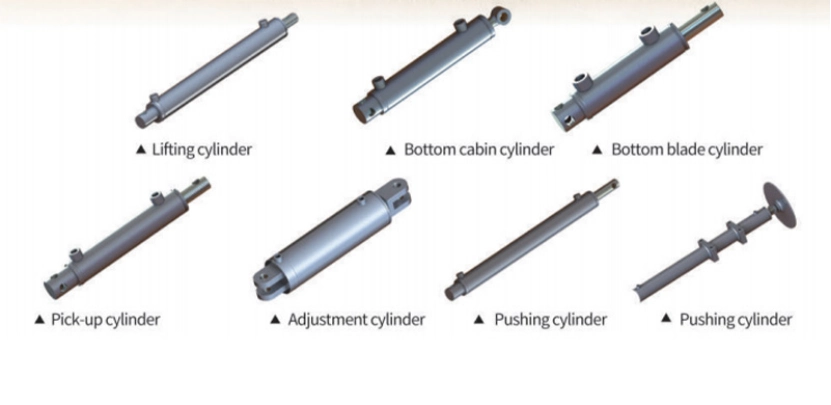
We craft custom hydraulic cylinder designs to fit client gear. Our lineup includes construction tools, farm gear like square balers, mining setups for high-pressure work, and sanitation vehicles such as road sweepers. The company sticks to an entrepreneur’s drive, dedicated to “do our best to meet customer needs to provide customers with quality, value-for-money products.” This push for custom work means each buyer gets fixes tuned to their machine’s routine.
Linking with a trusted manufacturer like Shining Hydraulic leads to fewer failures, steady expert aid, and real savings over time.
FAQs
Q1: What materials are best for heavy duty hydraulic cylinders?
High-strength alloy steel with anti-corrosion coatings performs best under continuous heavy loads.
Q2: How can I verify a manufacturer’s quality control process?
Ask for ISO 9001 certification documents along with detailed inspection reports covering pressure tests and dimensional accuracy.
Q3: What causes most hydraulic cylinder failures?
Seal degradation due to contamination or improper material selection is among the top causes.
Q4: Should I choose single-acting or double-acting cylinders?
Double-acting cylinders provide controlled extension/retraction suitable for dynamic applications; single-acting types fit simpler load-lifting tasks.